The Islamic Civilization Center Connects Islamic Heritage with RFID Technology

September, 2026

extension | The Islamic Civilization Center Connects Islamic Heritage with RFID Technology
Challenge
As Uzbekistan prepared to open the Islamic Civilization Center — a landmark institution dedicated to preserving and sharing centuries of Islamic scholarship — it needed a library infrastructure that could match the ambition of the project: modern, secure, and built to international standards, while remaining open and accessible to a large and diverse international audience.
mediation | The Islamic Civilization Center Connects Islamic Heritage with RFID Technology
Solution
Bibliotheca and SmartLibrary, its official partner in Central Asia, implemented a full RFID-based library automation ecosystem, including selfCheck™ 3000 kiosks, RFID gate ultra security gates, DLA inventoryWand, RFID workstations shielded, 200,000 RFID tags, Hublet digital tablet lending units, and the uniFi+ integrated communications solution — backed by end-to-end operational planning and technical support.
done all | The Islamic Civilization Center Connects Islamic Heritage with RFID Technology
Result
With its opening in March 2026, the Center is set to welcome researchers, students, scholars, and tourists from around the world, offering faster service, stronger security, optimized collection management, and a genuinely modern, user-friendly research experience.

September 23, 2026

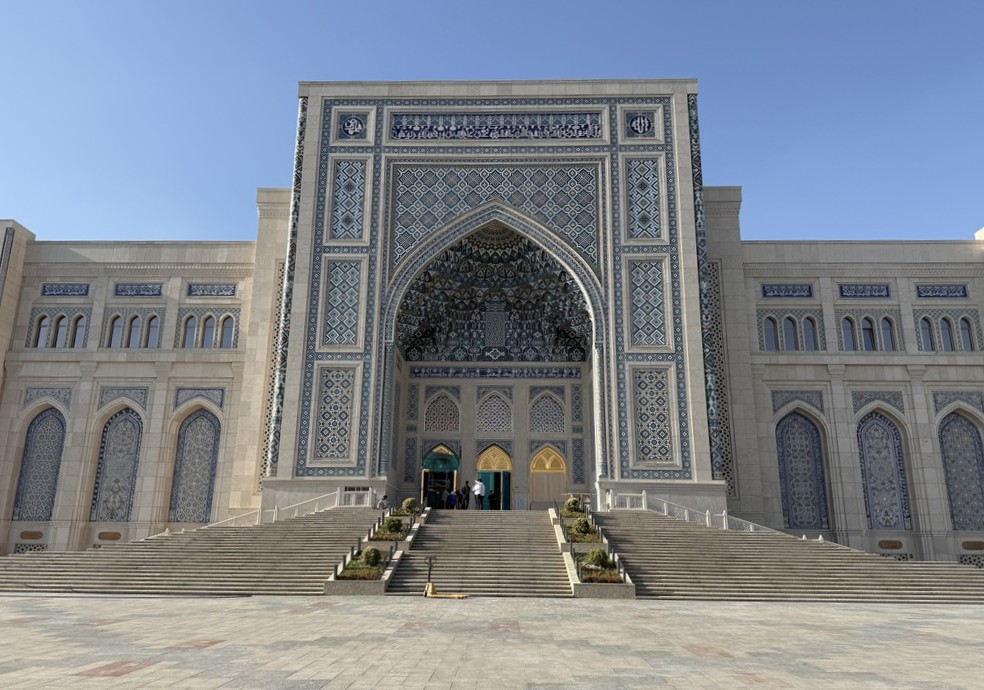
When Uzbekistan set out to build a landmark institution capable of representing centuries of Islamic scholarship to a global audience, the vision went far beyond bricks and mosaics. The Islamic Civilization Center in Tashkent, was conceived as nothing less than a new intellectual and cultural hub for the Islamic world — a place that could honor the legacy of scholars born on Uzbek soil, such as Imam al-Bukhari, while offering visitors, researchers, and students a truly modern experience.

To match that ambition, the Center needed a library infrastructure built to international standards: fast, secure, easy to navigate, and flexible enough to serve everyone from international scholars to first-time tourists. To support this ambitious environment and to help make that vision reality, Bibliotheca contributed a comprehensive suite of RFID-based library automation and self-service technologies, helping the Center create a library experience where heritage and innovation work seamlessly together.

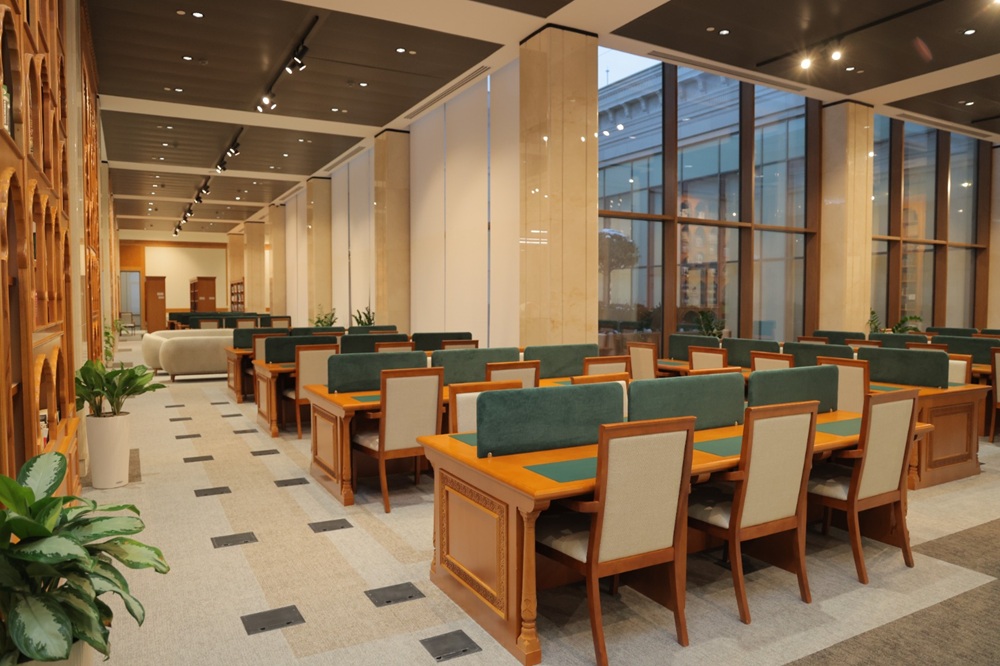
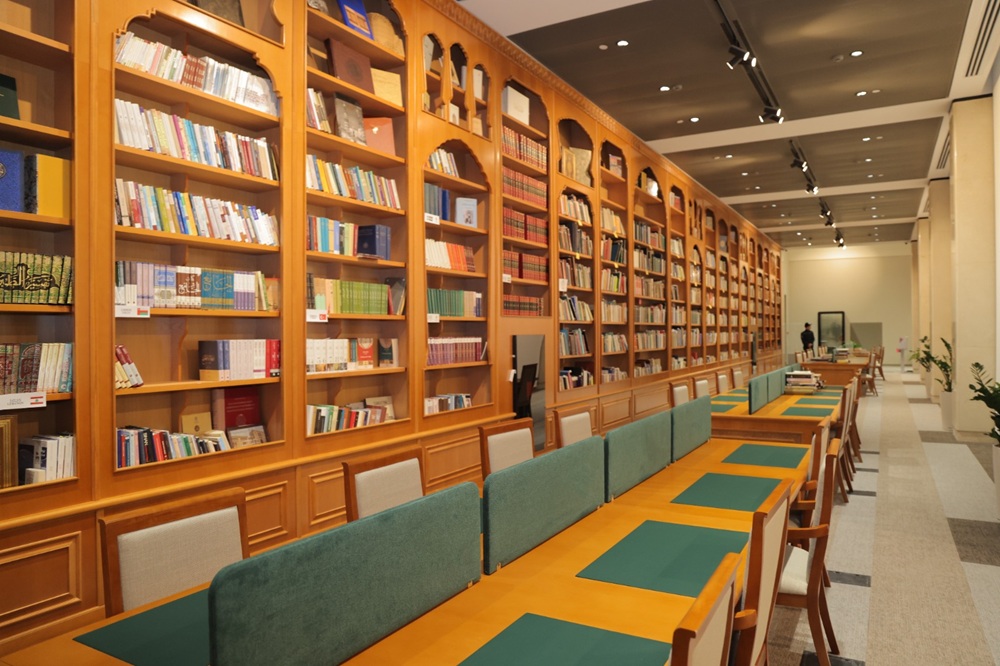
Covering approximately 3,105 square meters and designed to accommodate nearly 300 readers, the library brings together ancient manuscripts, scholarly and literary works, historical publications, cultural resources, and rare collections.

The Mausoleum of Amir Timur in Samarkand, Uzbekistan

A New Model for Cultural and Intellectual discovery

What makes the Islamic Civilization Center project particularly distinctive is the relationship between technology and heritage.

Central Asia has experienced three major Renaissance periods, and the Center seeks to help visitors understand the intellectual, scientific, cultural, and spiritual achievements associated with these periods. Its exhibitions combine historical material with interactive and digital technologies, creating an environment where history can be experienced through contemporary formats.

The library extends this philosophy into the research environment. Here, RFID technology does not replace the heritage contained within the collection. Instead, it helps make that heritage more accessible, manageable, and discoverable.

As the Center continues to develop as a destination for scholarship, education, and cultural exploration, its library has the technological foundation to support a broad community of users.

A World-Class Vision Needs World-Class Infrastructure

The Center’s mission was ambitious from the start: position Uzbekistan as a center of Islamic scholarship and enlightenment, while creating a museum and research library capable of welcoming a genuinely international audience. That meant the library could not simply digitize a card catalog — it needed to support open access to a rich collection, protect valuable and often rare materials, and deliver the kind of frictionless self-service experience that today’s researchers and visitors expect from any leading cultural institution.

Achieving this required technology that could operate reliably at scale, integrate cleanly into a landmark architectural space, and support both everyday circulation and long-term collection management, all without compromising the security of the collection.

Rather than treating technology as an addition to the traditional library model, the project integrates technology into the way users discover resources, borrow materials, access digital content, and interact with the space.

Islamic Civilization Center Uzbekistan Room

End-to-End RFID Automation

Bibliotheca and SmartLibrary, its official partner in Central Asia, implemented a comprehensive RFID-based library automation solution to digitize and streamline operations across the Center. The system enables seamless self-service checkout, efficient inventory and collection management, robust security, and a modernized reader experience overall — all built on an open-access database that makes the Center’s extensive collection easy to discover and use.

Together, these technologies create an integrated infrastructure that supports both the operational needs of library staff and the expectations of a digitally connected audience. The RFID-enabled environment helps make routine library processes more efficient, allowing staff to focus more time on supporting research and users while enabling visitors to interact with services independently.

Islamic Civilization Center Uzbekistan Study Room

Self-service that Puts Users in Control

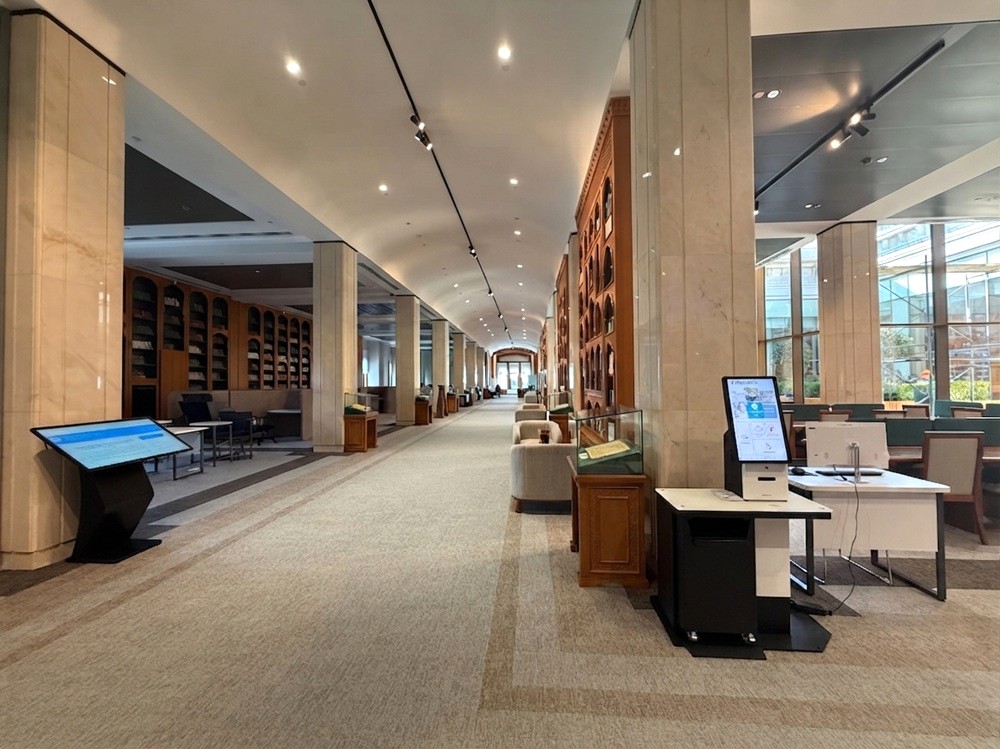
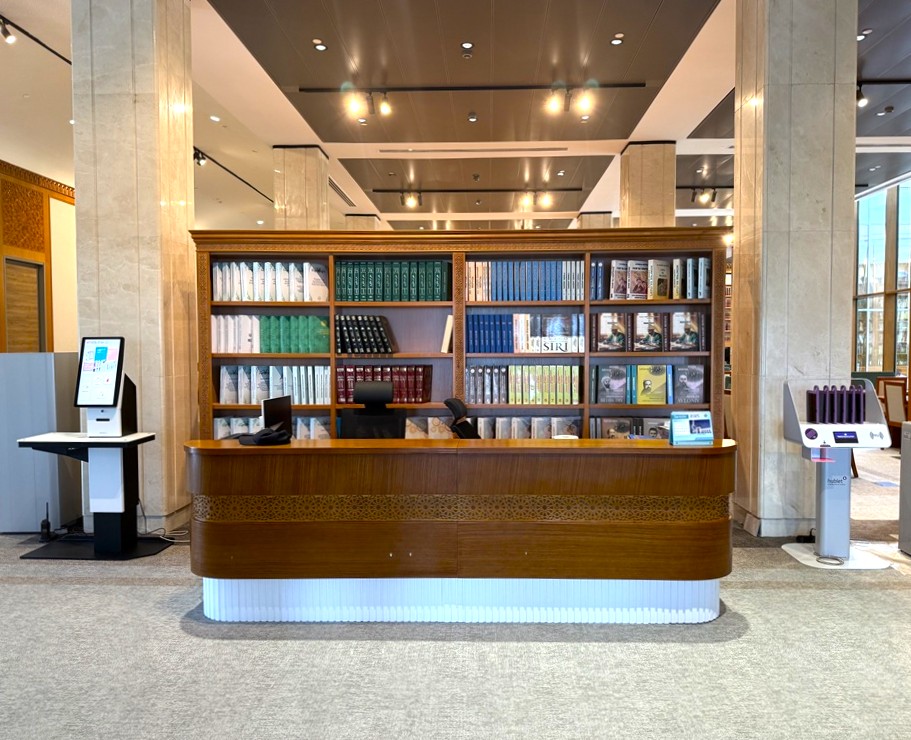
Self-service is an important part of the Center’s modern library experience. With selfCheck 3000, users can independently complete borrowing transactions, reducing friction and helping create a more flexible service environment.

This approach is particularly relevant for a library expected to serve a diverse audience, from local readers and students to researchers and international scholars. The objective is making access to knowledge as intuitive and efficient as possible. Behind the self-service experience, RFID technology helps connect users with the library’s collection while supporting accurate and efficient collection management.

Islamic Civilization Center Uzbekistan Building Self service Space | The Islamic Civilization Center Connects Islamic Heritage with RFID Technology

Supporting Collection Management with RFID

Managing a collection that includes scholarly resources, rare publications, manuscripts, and culturally significant materials requires precision.

The Center’s library is being developed as a major scholarly resource, with its collections intended to support the study of Uzbekistan’s national heritage as well as global spiritual and intellectual history. The Center has also highlighted the importance of digitization, electronic catalogues, multilingual research resources, and modern technology in the development of its library.

Bibliotheca’s RFID infrastructure supports this objective. The DLA inventoryWand helps library staff perform inventory tasks efficiently, while RFID workstations support the processing and management of tagged materials. With 200,000 RFID tags deployed as part of the implementation, the infrastructure provides a scalable foundation for managing a significant and growing collection.

This combination of RFID identification and library automation can help improve inventory accuracy, simplify collection workflows, and provide staff with greater visibility over library materials.

Islamic Civilization Center Uzbekistan Building Self- service - Hublet Space

Digital Access Beyond The Printed Page

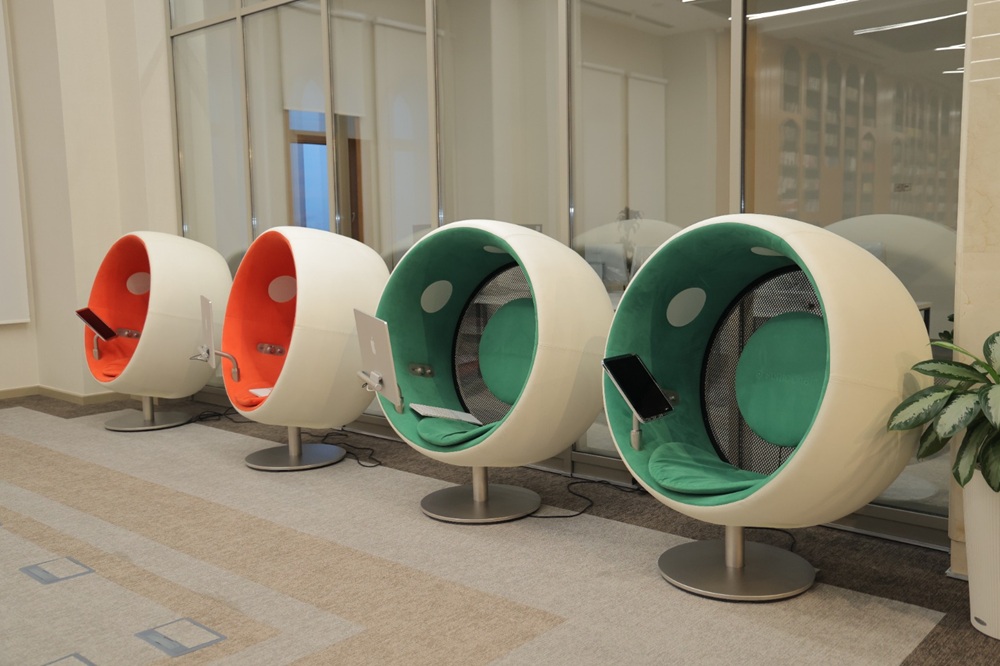
The library’s technology experience extends beyond books. To enhance and accelerate the digital transformation, the Hublet tablet stations were installed to allow users temporarily borrow tablets and access electronic resources as well as information about the Center and its library.

The Hublet implementation adds another dimension to the library experience: digital access on demand. The tablets can be managed directly by library staff, who can control available applications and web pages.

The devices are also designed with hygiene and data privacy in mind, with user data automatically deleted when a tablet is returned. This creates a practical bridge between the library’s physical collections and the digital resources increasingly expected by today’s researchers and learners.

Islamic Civilization Center Uzbekistan Hublet Tablet Lending

*Photo taken from: https://iccu.uz/en/news/1299

Security without Compromising User’s Experience

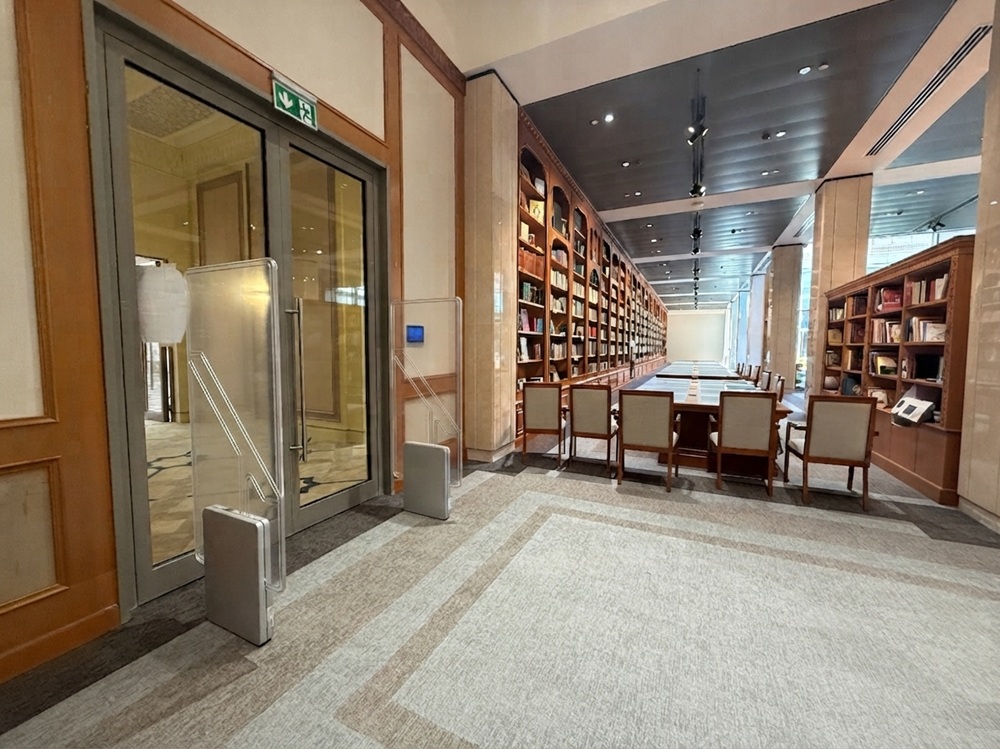
Protecting library collections is especially important when resources include rare and historically significant materials. The RFID gate ultra units provide an RFID-based security layer at the library’s entrances and exits, helping protect the collection while maintaining an open and welcoming environment.

Because RFID is used across multiple aspects of the library infrastructure, security becomes part of a broader technology ecosystem rather than an isolated function. The result is a more cohesive approach to collection protection, circulation, and library management.

Islamic Civilization Center Uzbekistan Security - RFID gate ultra

Connecting the Library Through uniFi+

A modern library requires more than individual technologies. It needs connectivity between people, services, and digital experiences. The project therefore also includes uniFi+, Bibliotheca’s integrated network solution, helping provide the digital connectivity required by a technology-rich library environment.

Together with RFID automation and Hublet digital services, the network infrastructure supports the Center’s ambition to create a contemporary knowledge environment where physical and digital resources can coexist seamlessly.

Islamic Civilization Center Uzbekistan Private Booths

Looking Toward The Future of Libraries in Uzbekistan

The Islamic Civilization Center represents an important example of how libraries can evolve while remaining deeply connected to their cultural purpose. By combining RFID library technology, self-service borrowing, collection management, security, digital tablet access, and integrated connectivity, the Center has created a modern infrastructure designed to serve the needs of a new generation of readers and researchers.

The library is already becoming an active intellectual space, with the Center reporting scholarly events, research activities, electronic resources, and a growing collection.

For Uzbekistan, the project demonstrates how investment in library technology can contribute to a broader vision of cultural preservation and knowledge sharing. For visitors and researchers, it offers something equally important, a place where centuries-old knowledge can be explored through the tools of the digital age.

The Islamic Civilization Center is more than a destination for discovering the past. Its library is helping build an infrastructure to discover what comes next.

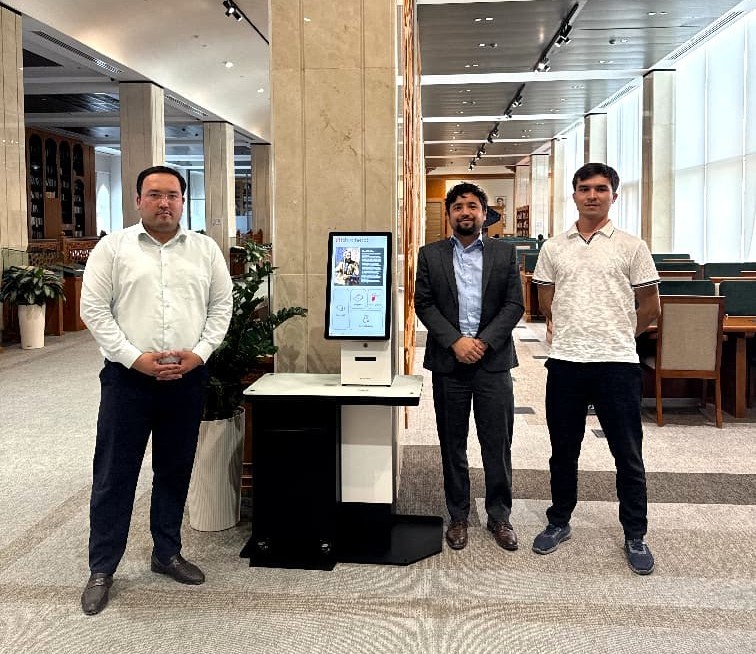
Islamic Civilization Center Uzbekistan - SmartLibrary and Bibliotheca Team

Sarvar Mamatkulov - Project Manager, SmartLibrary / Joey Ferrigno - Sales Manager Eastern Europe, Central Asia & The Baltics, Bibliotheca

Spread the Word
icon-open-book

You may also Like

Insights + Trends