

February 9, 2026

Challenge

Solution

Result
By Lisa Stamm, MLS
Sr. Solution Consultant · Master of Library Science
Directly west of Denver, Colorado, is a sizeable rectangle marking the boundaries of Jefferson County, a stunning land boasting famous attractions, outdoor recreation, and world class entertainment to rival any major city. Spanning nearly eighty miles from top to bottom and thirty miles side to side, Jefferson County comprises all of the mountainous hiking, bright snow-skiing, rugged camping, and technicolor, vertiginous vistas one might think of upon hearing “Colorado.”

The highest point in Jefferson County, Buffalo Peak in Pike National Forest, has an elevation of nearly 11,600 feet above sea level, and locals regularly remind visitors and neighbors alike to stay hydrated in the dry, high altitude air, whether preparing for a day of hiking or simply running errands. Clear Canyon Park offers day-trippers nearly 4,100 acres of outdoor bliss: whitewater raft over lightly bubbling or wildly thrashing rapids; climb craggy peaks and walls of granite; lace up your kicks and spend an hour hiking and trail running; hop on a bicycle for some fresh air spinning…the choice is yours and there are opportunities for all fitness and skill levels. Grab some fishing gear and try your hand at catching dinner; take a scenic drive to admire swaths of aspens and wildflowers; or set up camp and stay longer, relaxing around a fire pit with loved ones.
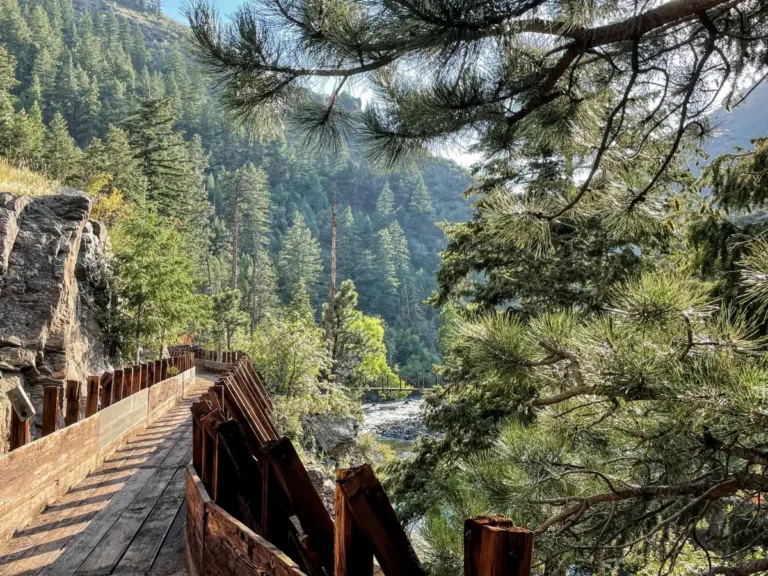
Credit: Visit Golden Welcome Center.
In addition to endless outdoor adventures, Jefferson County has plentiful creature comforts, modern pastimes, and cultural and culinary delights (try the Colorado Green Chili) in the many small cities and towns dotting its landscape. Find pristine antique automobiles at the Cussler Museum (yes, that Cussler); year-round public ice skating at the Apex Center; and the architectural masterpiece that is Boettcher Mansion at an elevation of 7,550 feet on Lookout Mountain, recognized on the National Register of Historic Places.
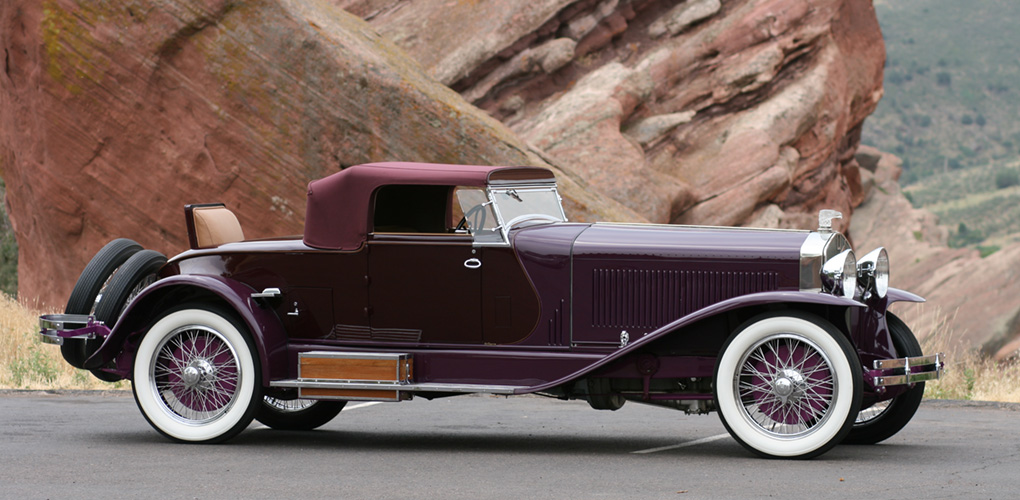
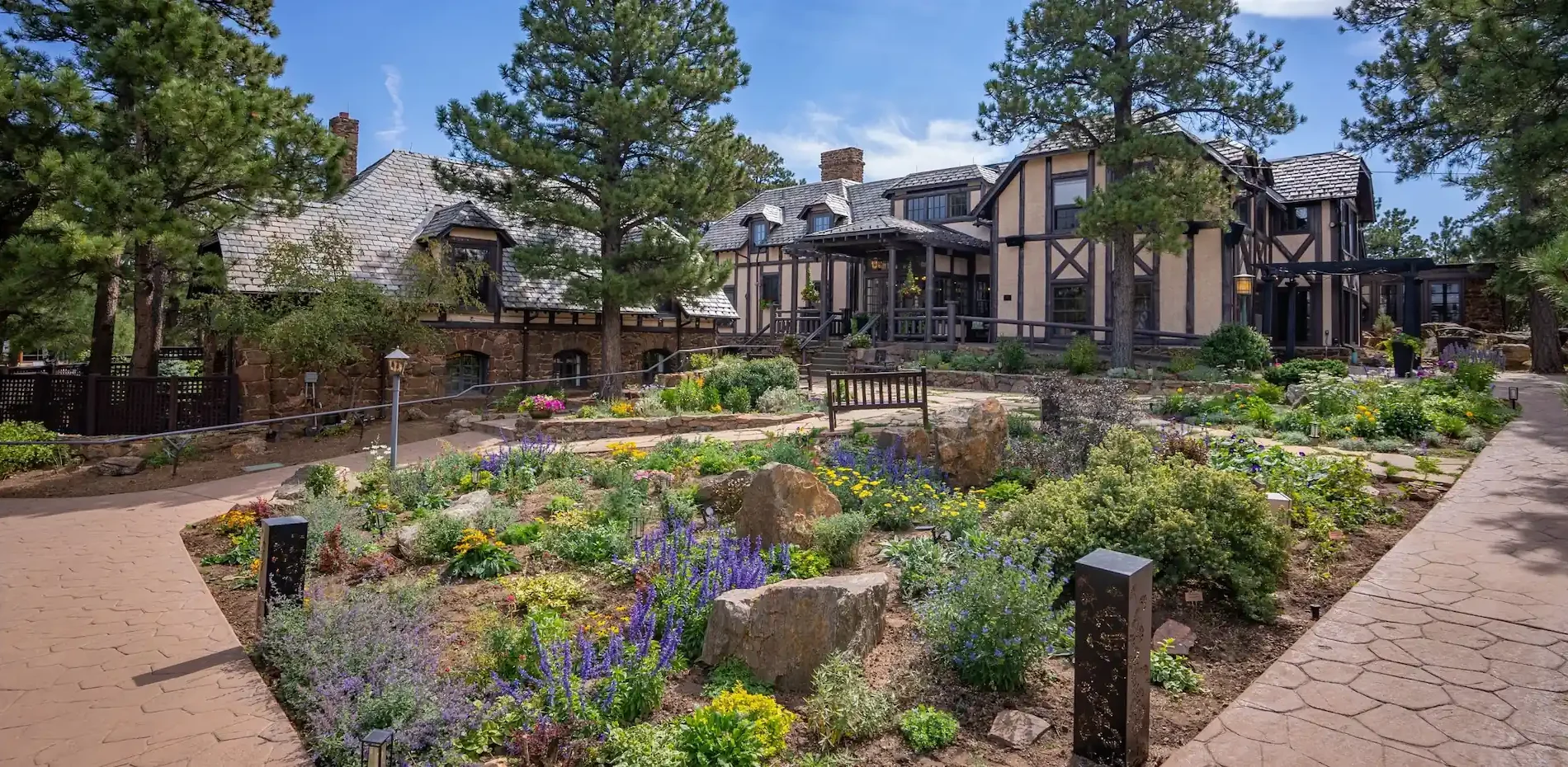
Credit: cusslermuseum.com and Jefferson County Colorado Government.
Music lovers journey to Jefferson County from around the globe to luxuriate in the naturally occurring perfect acoustics at Red Rocks Park & Amphitheatre, a National Historic Landmark and concert venue sitting pretty at 6,450 feet above sea level. Not to be outdone, the Buffalo Bill Museum pays homage to the famous showman and his Wild West show. And at the Colorado Railroad Museum, visitors ride trains and examine vintage locomotives dating from the 1880s.
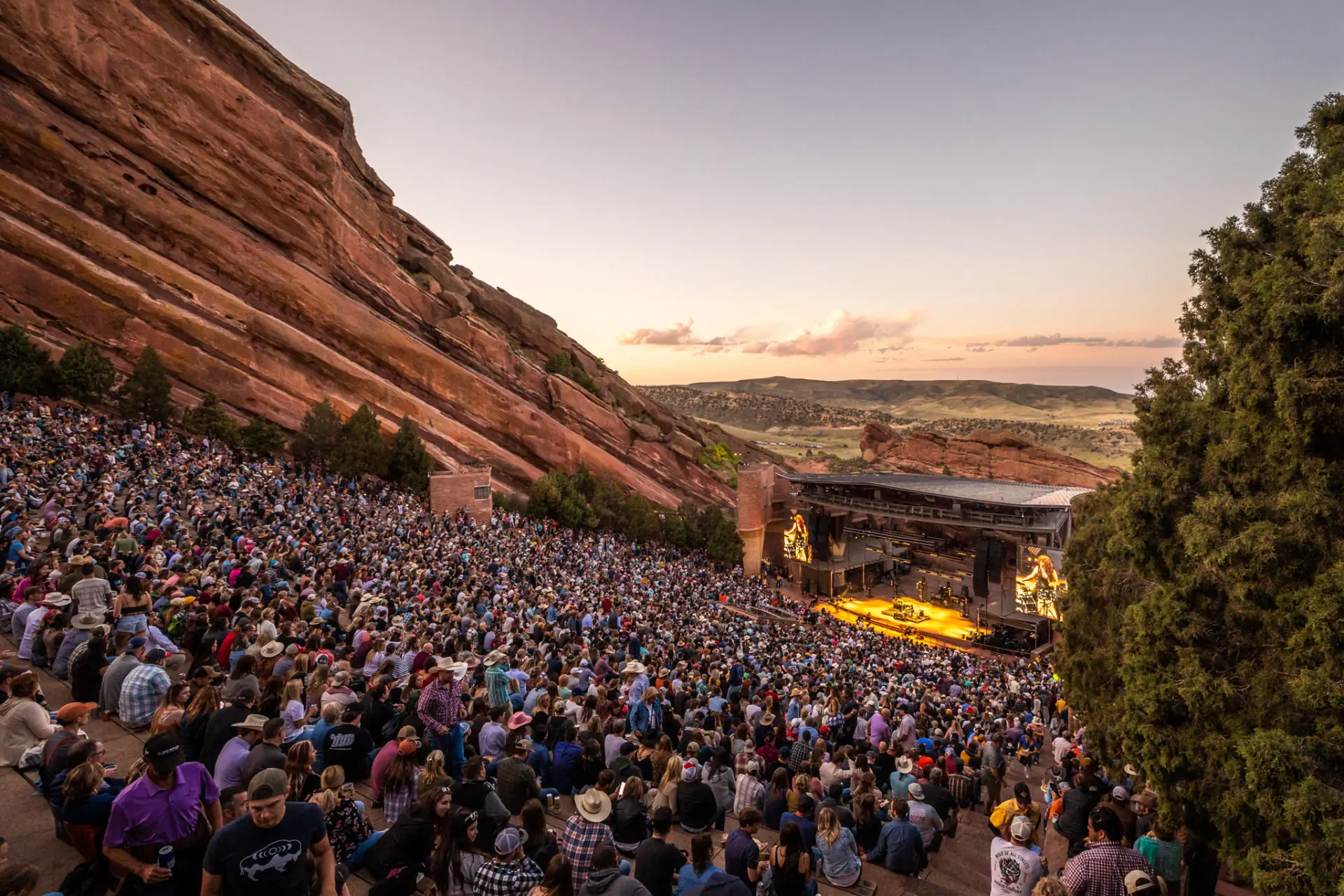
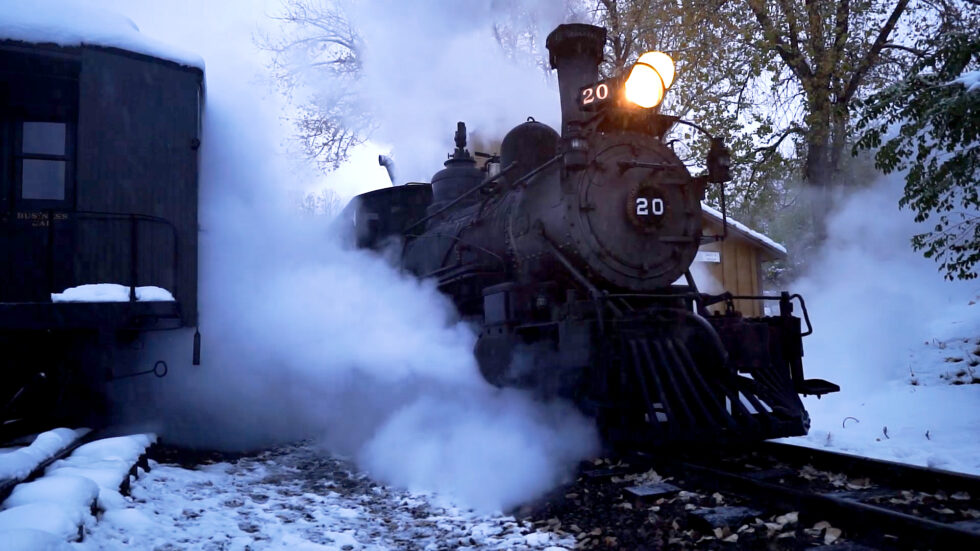
Credit: Red Rocks Amphitheatre and Colorado Railroad Museum
Approximately one mile from the Standley Lake Branch of Jefferson County Public Library is Two Ponds National Wildlife Refuge, with three miles of trails to explore while spying more than 120 species of wildlife including bald eagles, raptors, waterfowl, and coyote. And just a few miles southwest of Two Ponds is another, very special branch of the Jefferson County Public Library.
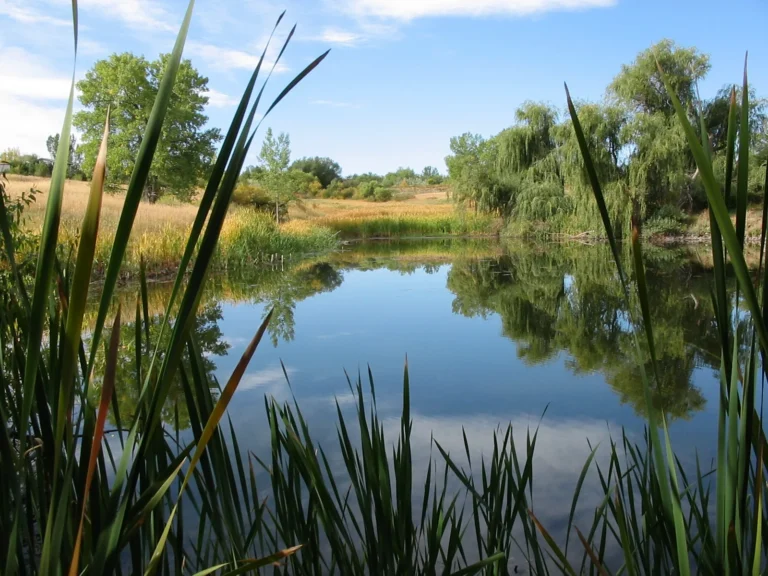
Credit: USFWS, Public Domain.
Jefferson County Public Library serves the nearly 580,000 residents of the county through eleven branches, one bookmobile, and several library material access points at rec centers and other community spaces. It has a lot of ground to cover and does it well. One such example is its Express Library, the first of its kind in the United States and which the library describes as “…a fully self-service location that allows you to access JCPL services safely and conveniently on your own, without staff onsite. Now open every day of the year.”
Kelly Duran, Manager of the Express Library, came up with the idea for this special branch located in a busy outdoor shopping strip, accessible every day from early morning until late at night.
With continuing growth in the already-large Jefferson County population, the library noted several new housing developments being built in the northwest section of the county. As a school, grocery store, and other necessities of life sprung up, Jefferson County Public Library identified the area to put in a full-fledged destination library. However, there were no existing buildings to renovate into a branch, and starting from the ground up to build a new branch takes several years (the library has purchased land and is in the process of building).
“We thought, this isn’t going to happen for at least five years, so, how can we get library services to the people, quicker?” Duran shares. “The first thing we did was install a holds locker in the area, and people loved it. And holds lockers are great, but they’re also limited to holds and returns, that’s all you can do. We were trying to find a way to give a more holistic library experience to those patrons without a full-sized library.”
Duran is also part of the Library To You department, which covers outreach, bookmobile, and mail and lobby service. The goal is to reach people that can’t get to the library for one reason or another, to figure out how they can bring the library to those individuals. “How can we make the library easier,” she asks, “and more accessible?”
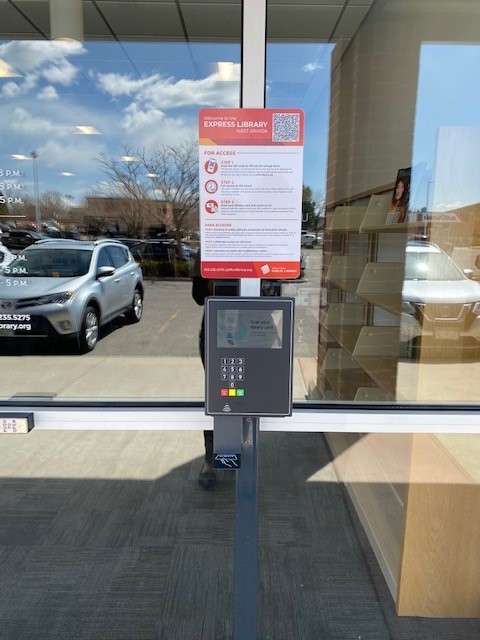
At a library conference, Duran and her team learned about open+. When considering ways other libraries were using open+ to expand hours at existing locations, they found themselves wondering what would happen if they leased out a small space in a strip mall and used open+ for self-service without staff.
“What would that look like?” she mused. “Could we do it? We looked more into it, pitched it to the board, and thankfully they were open to it. So that’s what we did; we used open+ in a small space in a strip mall.”
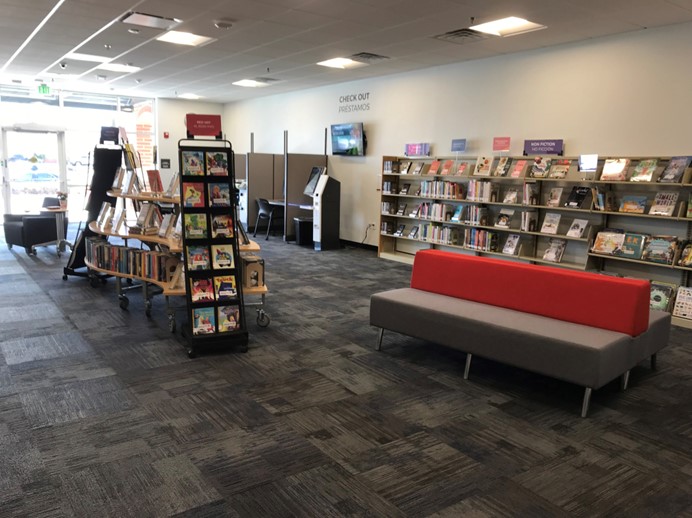
The Express Library space is around 1,500 square feet, with the majority of it used for the patron area and a small portion used for library staff to process incoming holds and check-in returns. To save costs, Duran and her team mined their existing facilities for furniture, and they were able to use some of the Jefferson County Public Library collection budget to build a small collection of circulating materials. They added public computers, Wi-Fi, printing, copying, scanning, and faxing.
“It’s like a mini-library,” she says, “but we were able to do it fast. We did this to meet a geographical barrier. There was a huge population, we couldn’t build a brand-new library quickly, so we put this here. But we also really looked for the ‘expressness,’ if you will, and it ended up that we met a different need that we didn’t even know existed. We’ve had patrons say: I love how quickly I can get in and out. I can park really close. I’m not overwhelmed by the collection size. Or they say, I have kids that I don’t like bringing into a large library because they get overstimulated, but here, it’s all contained. It’s nice and cozy.”
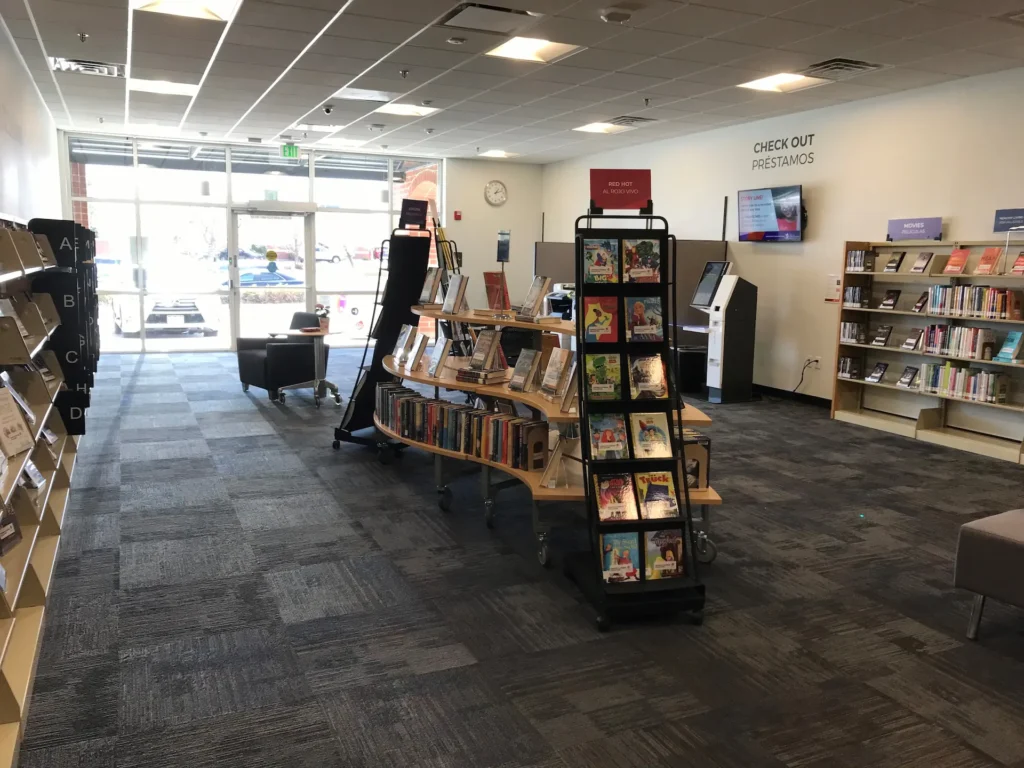
Duran repurposed a few staff hours from Library To You to make it possible for some of her team to process and manage the holds and collection in the Express Library. The Express Library contains approximately 2,300 circulating items that do not float between branches, and since the collection is dedicated to the Express Library, staff took the approach of a “lucky day” model, consisting primarily of highly popular materials for all ages.
With the space being small, “…we had to really pick and choose wisely what we could have there,” she says. Even so, the library paid close attention to what patrons subsequently placed on hold to be picked up at the Express Library. They learned that patrons requested a significant amount of children’s chapter books, and so, to meet patron needs as much as possible, staff added more children’s chapter books to the standing collection.
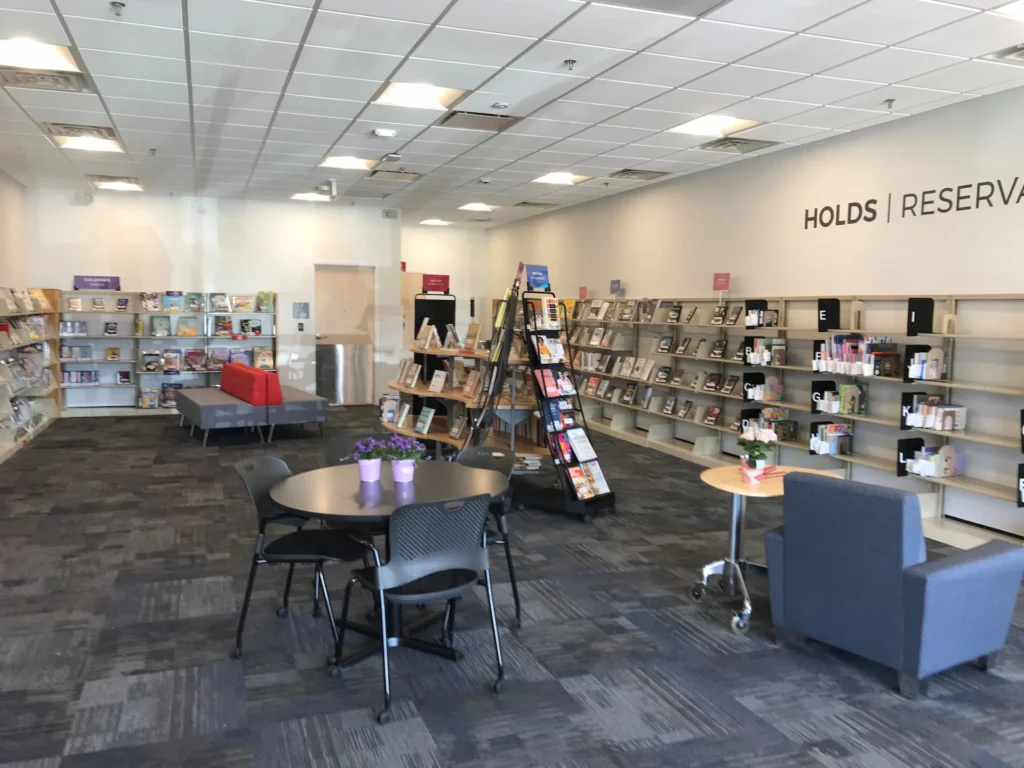
At the time that Jefferson County Public Library was considering open+, only a few libraries in the US and Canada had been using it to supplement hours at branches that also maintained staffed hours. No one in the US had used open+ solely with the intent to open a brand-new, fully unstaffed branch. As such, Duran and the leadership team fielded numerous questions from library staff and stakeholders about how the Express Library would work.
“Staff-wise, we were very careful that it didn’t come across as ‘we’re going to use this, and we’re going to start only using this, and not have any staff anywhere,’” Duran shares. “No; we pitched it as what it is, which is, it’s an add-on. It’s for extra access, it’s to break those barriers, it’s to get to the patrons that we can’t get to during standard business hours.”
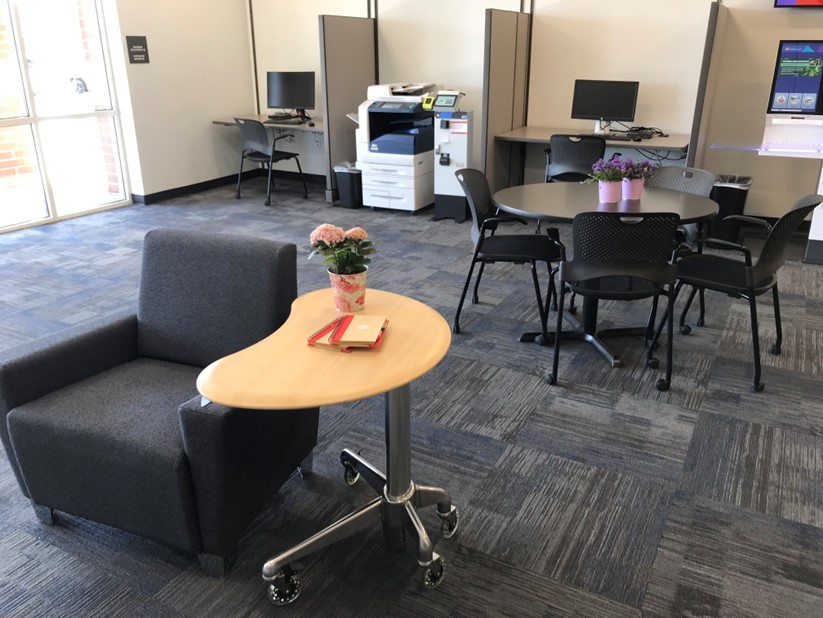
“The Express Library meets a lot of people’s needs and is an amazing service,” she continues, “but it’s an add-on service; it’s never going to be the end-all, be-all. We still need libraries, we still need staff, we still need people to answer reference questions, and people still want to come to talk to a person.”
With that philosophy in place, “…staff got really excited. They felt pride that we were trying something different and that we were on the forefront of libraries increasing access.”
Even so, Duran and her team found themselves reining in worried scenarios from staff, who focused on what-ifs and safety concerns. “The answer is, well, what if someone comes into any library location and does that? We follow policy for patron behavior at all library locations. It’s a library space and the same rules of conduct apply. Let’s give this a try and see what happens. And it’s been wonderful.”
Upon first opening the Express Library, they replicated the staffed open hours of their larger branches. “It was a new service and so we thought, let’s see how this goes,” Duran explains, “and after the Express Library was open for a year, I did a huge patron survey, because I knew the capability. Why would we limit ourselves to these hours for expanded access? I got enough patron feedback and support from my team and from the executive team, and we expanded the hours. We’re not quite 24-7 yet, but now we are open six days a week from 5am to 10pm, and Sundays from 5am to 6pm. It’s open on holidays, it’s open if the rest of the libraries are closed for a snow day—because if someone dug themselves out and wanted to go get a book, why not? Why would we have it closed? Since it doesn’t need staff, we don’t need to close it.”
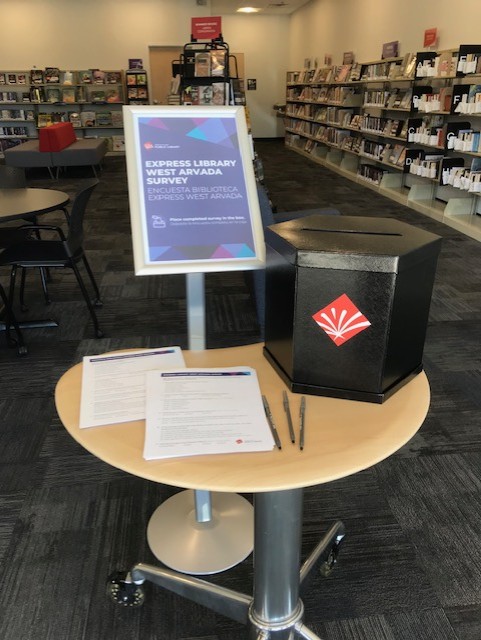
Ironically, staff now refer to the Express Library as “…the most secure library in the system, because you have to login to get inside. We have a record of exactly who visits, and if an issue does come up, we know who’s responsible and can follow up to be sure that everything is okay.”
In the almost four years the fully unstaffed Express Library has been open, there have been only two incidents, and both were minor issues that public libraries normally encounter. Staff checked the open+ log and cameras, identified the parties responsible, and reached out to them following their normal protocols, just as they would at any other branch.
“We’ve had a lot of positive feedback from the extended hours,” Duran says. “Patrons tell us, oh, thank you so much, this works so much better with my schedule; it’s so much more accessible; I can come straight here at times that I otherwise might not be able to get to the library. Expanding the access has been great for the community.”
She notes that there is a fitness gym a few doors down from the Express Library that also opens at 5am, and people often go to get their books and exercise in one fell swoop. A few doors down in the other direction is a church, and Duran says it made no sense to have the Express Library open at noon on Sundays. By setting the hours from very early morning until late evening, every single day of the year, they have seen ever-increasing usage.
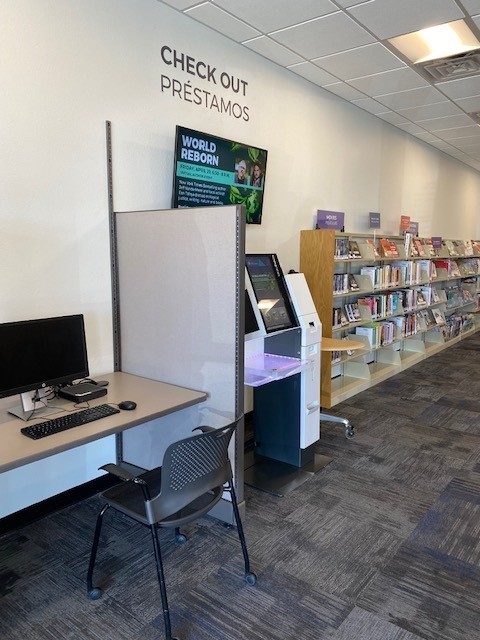
Duran shared some patron responses to the first survey about the Express Library with the library board, and chuckled as she told them that she could not have asked for more perfect quotes, but they were organic, direct from patrons:
“I use the library more often, because the Express Library is so much more convenient to use. It’s closer to my house, parking’s much easier, I like being able to just run inside quickly and get my hold or make a copy without it taking a long time.”
“I never realized why I stopped visiting the branches until I walked into the serenity of the Express Library. I love it, just the way it is.”
“I appreciate that the library is adapting to changing times and technology. Operating the express location is a great approach to modern needs without having to invest in another traditional large structure with its significant overhead. Kudos to you.”
In looking at visits and checkouts as one of the measures of success, Duran and her team set a starting goal of 65 to 100 visits per day for the Express Library. In its first year, it had 63 visits per day, and over a short period of time ramped up to 83, then 103, and now, toward the end of year four, it averages 109 visits per day, trending ever upward.
For checkouts, they set a starting goal of 100 to 150 checkouts per day. By the end of the first year, they had 101 checkouts per day, and now the average is 190 checkouts per day. As a system, Jefferson County Public Library branches average 1.5 checkouts per visit, but the Express Library averages a bit more, at 1.7 checkouts per visit. The community makes good use of the Express Library and currently, over 4,400 people are registered to use it, with that number growing every month.
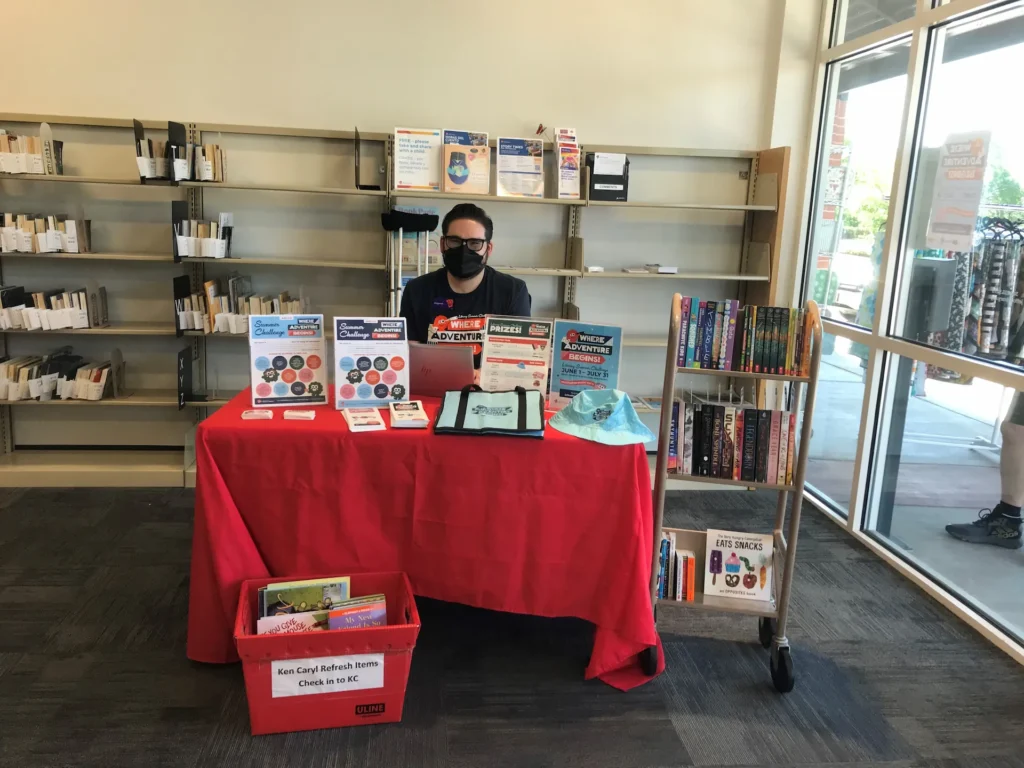
While it may be an unstaffed library, the library team found a way to offer programs, with great success. Some are led by an instructor, some are drop-in crafts, and at a recent, open house-style drop-in for a Halloween craft, 47 people participated. A local astronomy group set up a large telescope outside at another planned event, and 60 people attended. The library also promotes its Summer Challenge at the Express Library with a kickoff party, and 242 people registered last summer.
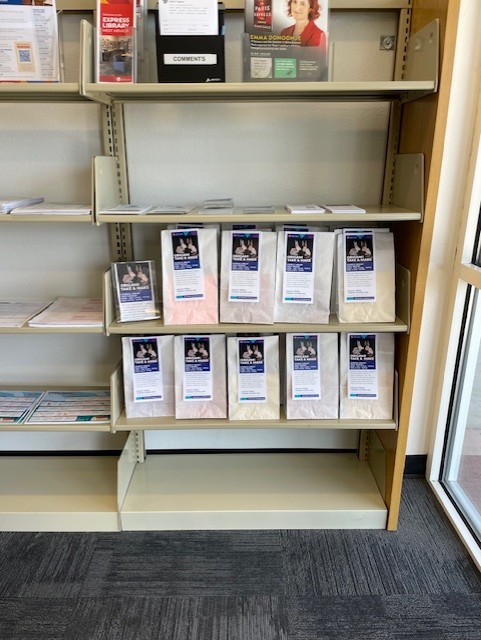
“We also do take-and-make programs at the Express Library,” Duran shares. “That was something that many libraries offered during COVID, but once libraries reopened, most stopped doing it. For us, it works really well, because we can put together one-hundred take-and-makes and put out a few at a time, and patrons come in, grab it, and go. I’ve also seen patrons grab one and work on it at a table inside, doing their own little program right there. The take-and-makes have worked really well to get programming out to that community.”
The enthusiasm patrons have for the Express Library is remarkable, and they are vocal about it. “I tell staff across the system, if you’re having a bad day, put on your name tag and just go sit in the Express Library. Everyone that walks in and sees your name tag, they’re going to stop you and tell you how much they love it. And when we’re giving tours, the patrons come in and stop us to say, this is the best thing ever.”
As originator of open+ for fully self-service library branches, Duran is often contacted by other libraries looking to explore and implement the technology, whether for full or partial self-service hours. She has given tours and conducted virtual meetings with libraries across the country that are interested in open+ and how Jefferson County Public Library created the Express Library, and several of those libraries have gone on to adopt the model. She is more than willing to share the protocol that they developed to make open+ happen, including their patron use policies and agreement forms, and she has presented on open+ at library conferences.
When she encounters libraries that are apprehensive or that worry their boards won’t approve it, she tells them, “It’s affordable, it’s easy, it’s great. Just do it, just try it. The whole philosophy behind it is great, but also, the product itself is very low issue, it just works. What it does to make libraries more accessible for patrons is incredible.”
“With this technology, we were able to open a location and provide service to that community. We have a lot of visits, a lot of checkouts, and expanded hours. It is currently our location that has the most open hours during the day, the week, weekends, all the time. We couldn’t offer that level of accessibility to people without open+ technology.”
Duran is grateful to Jefferson County Public Library Executive Director Donna Walker, the Jefferson County Public Library executive team, and the Library’s Board of Trustees for approving the Express Library and allowing her team to try it. Their support has been instrumental in bringing this innovation to life and allowing JCPL to expand library services in this area. And she is grateful to the community members for using and supporting it as strongly as they do.
“This is definitely my baby,” she smiles, “and I love it. And I love that people love it. I would love to have an empire of express libraries, all across the whole county, just spread out everywhere.”
She acknowledges that some people posit that libraries are outdated or not needed anymore. “I love it when somebody says that, because I can say, did you know we’re at the forefront of this cool technology, and we’re still relevant, we’re still needed, and we have all of this great stuff that we give. We’re one of the best companies, if you will, to adapt to the times. We have hotspots to check out, laptops to check out, spaces for community groups to use, holds lockers, self-service.”
“We want to be accessible to everybody, to meet everybody where they are, and just make the world a better place for our patrons. That’s libraries in general, but I think that we really try to live that and we have a great staff making it happen.”
Spread the Word

You may also Like
Insights + Trends

AI for Librarians: Where to Start and 5 Real Use Cases
The skills behind a good reference interview are the same ones that make AI useful. A library director shows how, with five projects you can borrow.
libraryConnect LINK: Managing Devices, Data and Support in One Place
See how libraryConnect LINK gives library teams a clearer way to monitor equipment, manage changes, troubleshoot issues, and use operational data.
RFID in Libraries: What It Is and What It Changes
Learn what RFID tags contain, what it takes to convert a collection, and what libraries should consider for checkout, security, and inventory.