

By Vinicius Flores, PhD
Marketing Communications Manager · PhD in Communication
The previous sorter at Wauwatosa Public Library in Wisconsin was called Linda. The name was an acronym: Loud, INDifferent, Automation. Linda had a reputation for unpredictability. When it came time to replace her, Circulation Supervisor Alanna Maddox decided the new machine deserved a fresh start.
She held a naming contest among staff. The winner: Glinda. Some say the G stands for glamorous. Others prefer glittering. Maddox’s personal favorite: Good. Good Linda.
Glinda is now referred to as the hardest-working employee in the library. During tours, patrons are invited to feed her. Children almost always take the offer.
The library also has a Cover One Book Repair Machine named Bluey, after the Australian children’s television show. Staff expected a biscuit-colored machine. The box contained something bright blue. The name followed immediately.
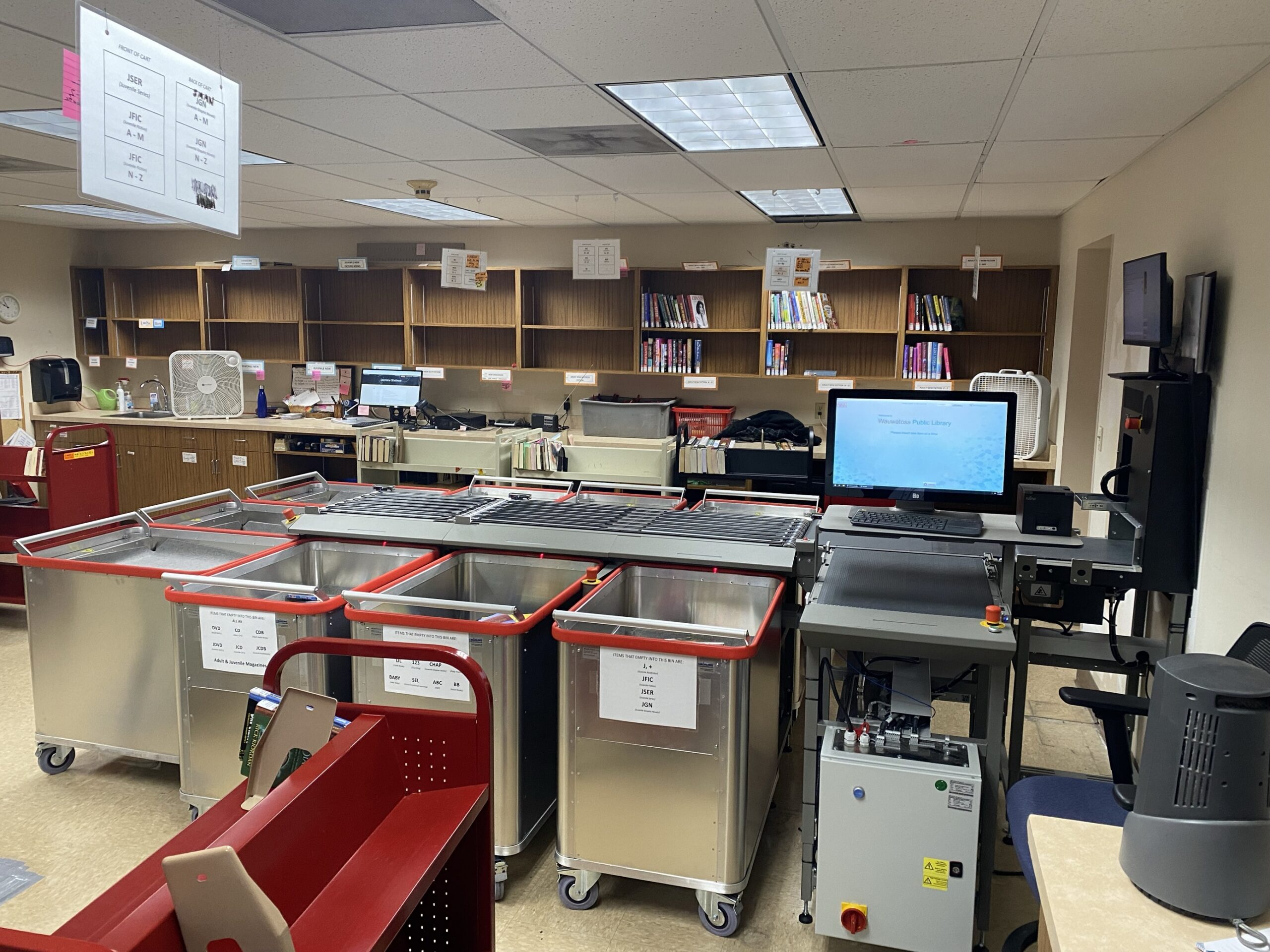


Glinda, the automated materials handling system at Wauwatosa Public Library, sorts and routes returned materials behind the scenes. Photos: Wauwatosa Public Library.
A Very Human Habit
Naming machines is not new.
In 1939, Westinghouse brought a robot named Elektro to the World’s Fair in New York. Elektro could walk, talk, and smoke cigarettes. Crowds lined up. The machine was engineering. The name made it a personality.
Fiction ran with the idea. Rosey, the robot housekeeper from The Jetsons (1962), introduced many Americans to the idea of a domestic robot with a name and a disposition. HAL 9000 (1968) became one of pop culture’s most famous reasons to fear intelligent machines. R2-D2 and C-3PO (1977) made robots feel like companions: loyal, occasionally anxious, and easy to root for.
ELIZA, a conversational program developed at MIT in 1966, was designed to simulate a therapist. Users who knew it was software still confided in it. Its creator, Joseph Weizenbaum, found the response deeply uncomfortable. People treated ELIZA less like software and more like a conversational partner.
Siri arrived in 2011, Alexa in 2014. By then, the pattern was set: give technology a name, and people relate to it differently.
Psychologists call this anthropomorphism. Epley, Waytz, and Cacioppo identified three conditions that trigger it in a landmark 2007 study in Psychological Review: a need to predict a system’s behavior, a need for social connection, and enough daily familiarity to fill in the interpretive gaps. Libraries, it turns out, are very good at creating all three conditions simultaneously.
James and Jean
At Augsburg University‘s Lindell Library in Minneapolis, the naming logic was institutional from the start. When the library added the remoteLocker and cloudCheck tablet, staff needed a way to distinguish each system during setup and troubleshooting. An IT staff member proposed naming the lockers after Jean G. (Tigwell) Lindell, wife of the library’s namesake, James G. Lindell. The checkout stations became James.
“Giving non-library jargon names brings down the ‘scariness’ factor of new technology in our spaces,” says Library Director Sara Fillbrandt. The library’s marketing department made it official.
Patrons now ask where the Jean lockers are or how to return a book to James. The names are slowly becoming second nature. Fillbrandt expects full adoption within another year.
A 2025 study in the Journal of Service Research found that naming a service robot reduced perceived eeriness and increased willingness to return. Researchers El Halabi and Trendel identified familiarity and a sense of control as the key mechanisms. At Lindell Library, the institution named the machines, and the community followed. The effect appears to be the same either way.
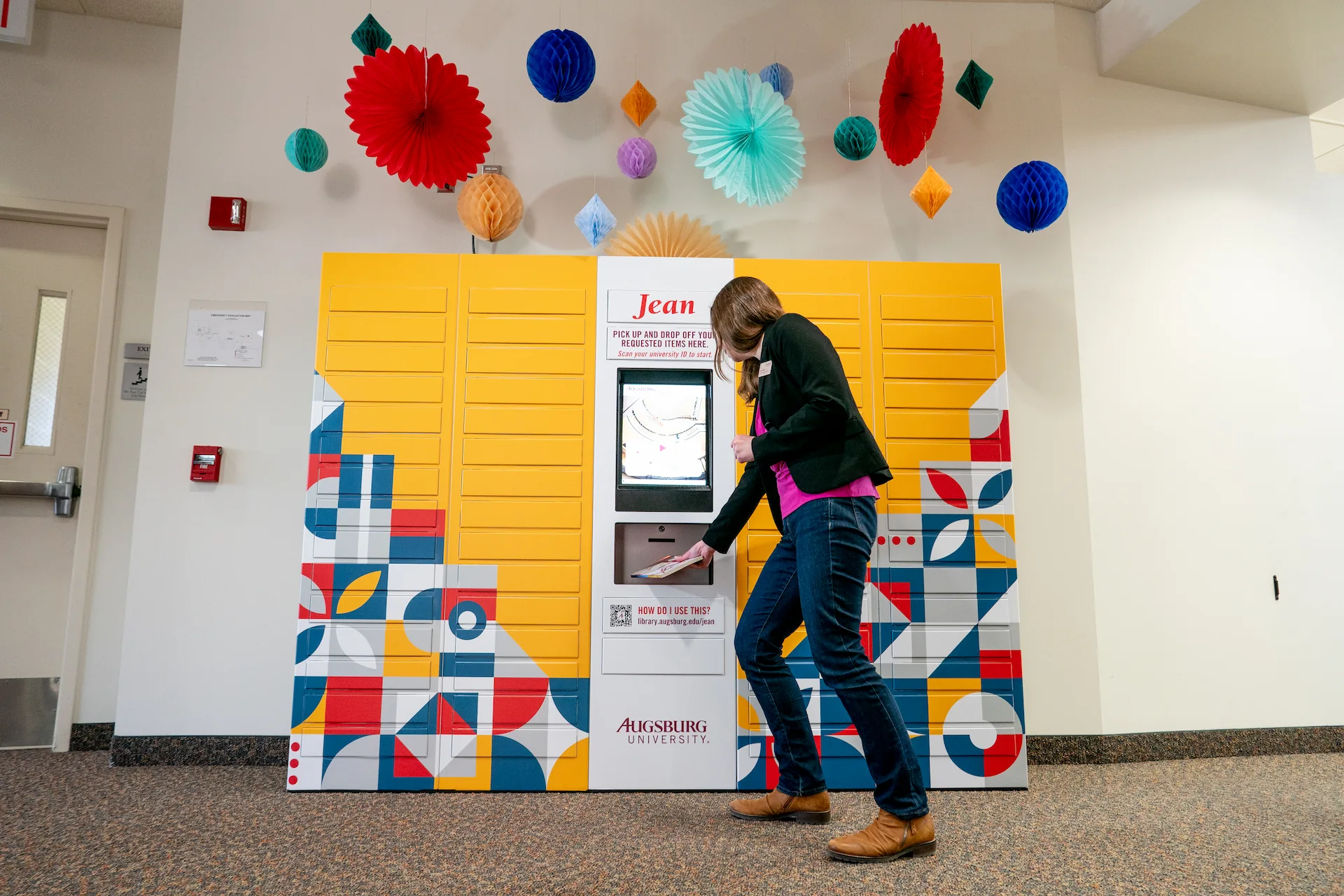
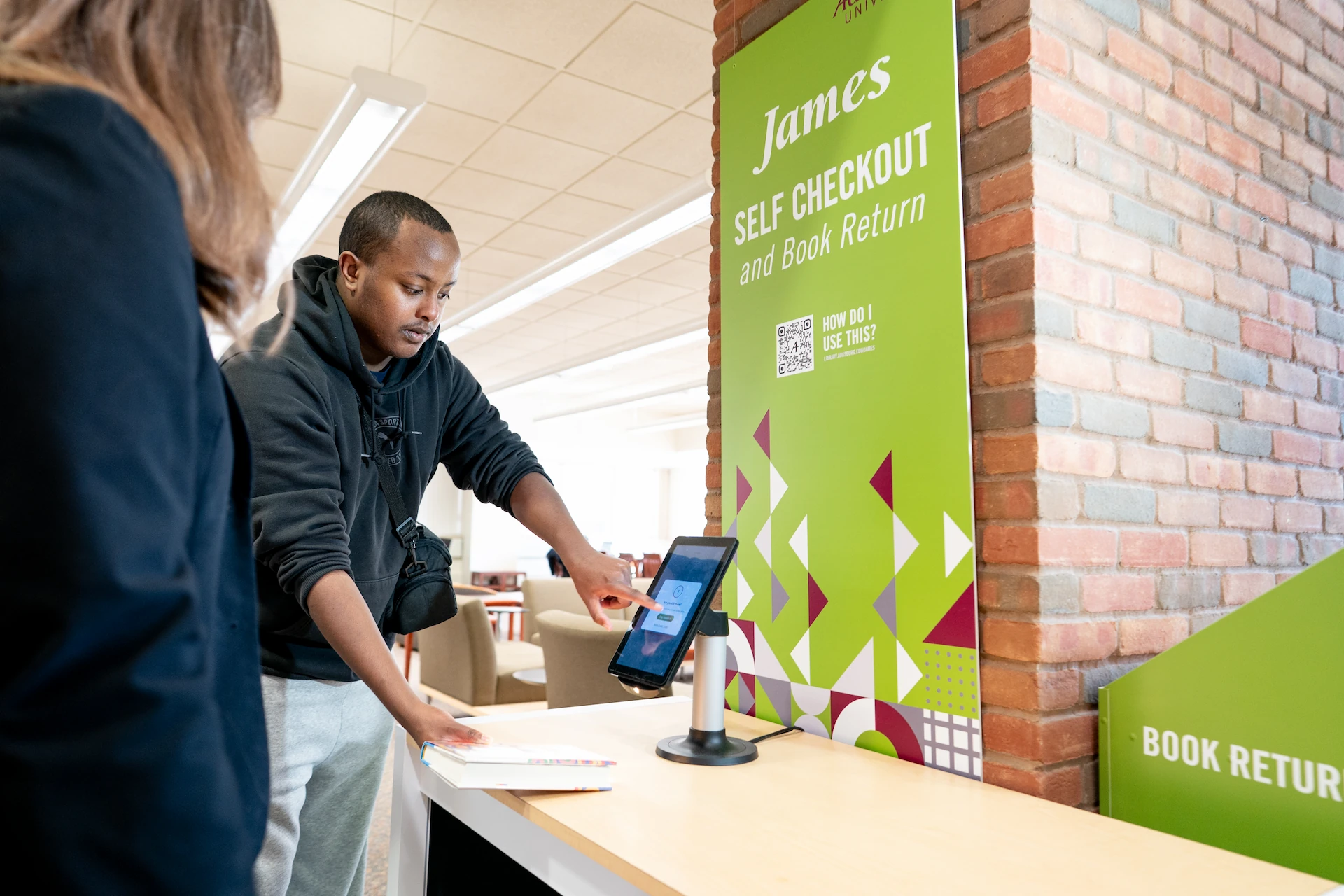

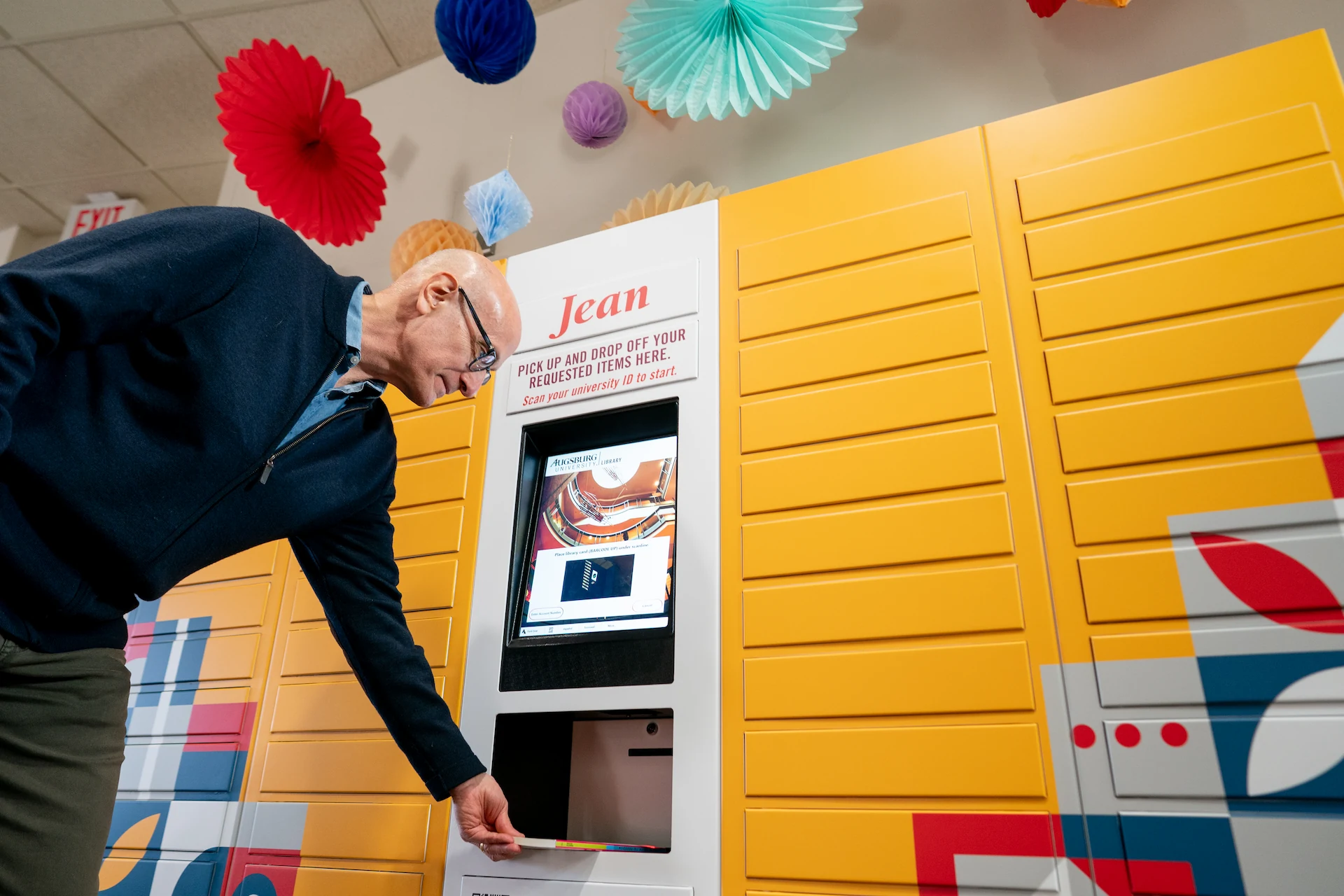
At Augsburg University’s Lindell Library, students check out books at James and pick up holds from Jean. Photos: Augsburg University.
Port Plus
Not every name starts as a nickname. At St. Catharines Public Library in Ontario, Canada, the extended access service at the Port Dalhousie Branch was officially branded Port Plus from the beginning. The name combines the branch’s community nickname, Port, with a nod to the open+ access technology that makes extended hours possible. It came out of a management brainstorming session.
“We wanted to find something familiar and welcoming for our customers,” says Holly Jones, Manager of Programming and Promotions. “Our goal was to convey to the community that this is the same branch they know and love, just with added service.”
Port Plus appears on the website, in promotional materials, and on signage. Customers still sometimes say “unstaffed hours,” but Port Plus has become the official name for the service. The name is less a label than a reassurance. Same library. Longer hours.
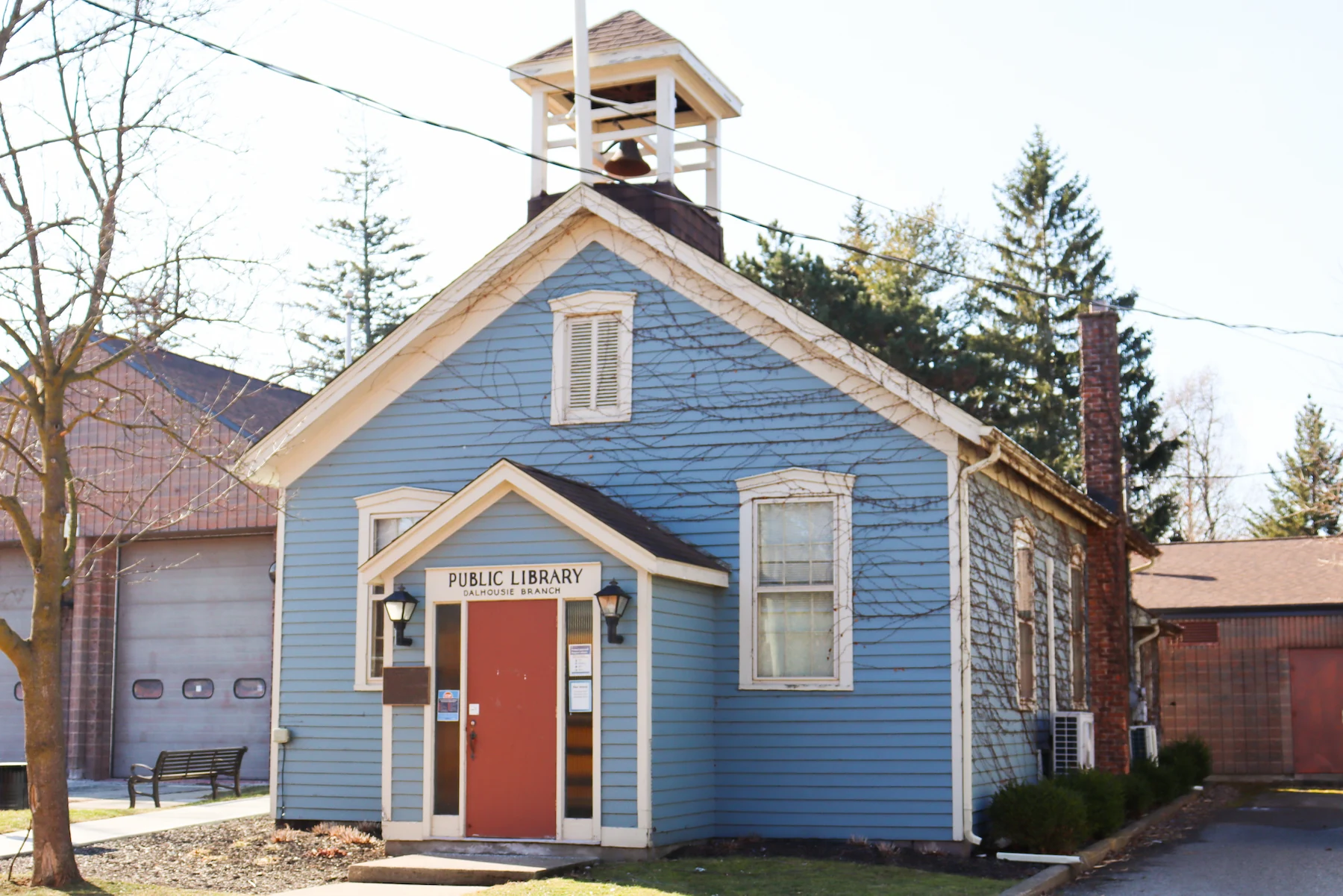

Port Plus combines the branch’s longtime nickname, Port, with open+ to signal the same library, with longer hours. Photos: St. Catharines Public Library.
Irma, Roxanne, and The Bookinator
At Forsyth County Public Library in Georgia, the naming was less planned.
The library’s flexAMH was installed just before Hurricane Irma made landfall in 2017. The storm knocked out power for four days. When things came back online, the machine processed everything that had piled up. Irma stuck.
Other machines at the library have names chosen by staff at individual branches. Roxanne runs at one location. The Bookinator runs at another.
Holly Barfield, IT and Facilities Manager, says the names are an internal thing. Patrons do not typically use them. “It helps to personalize the system and give them a connection to it.”
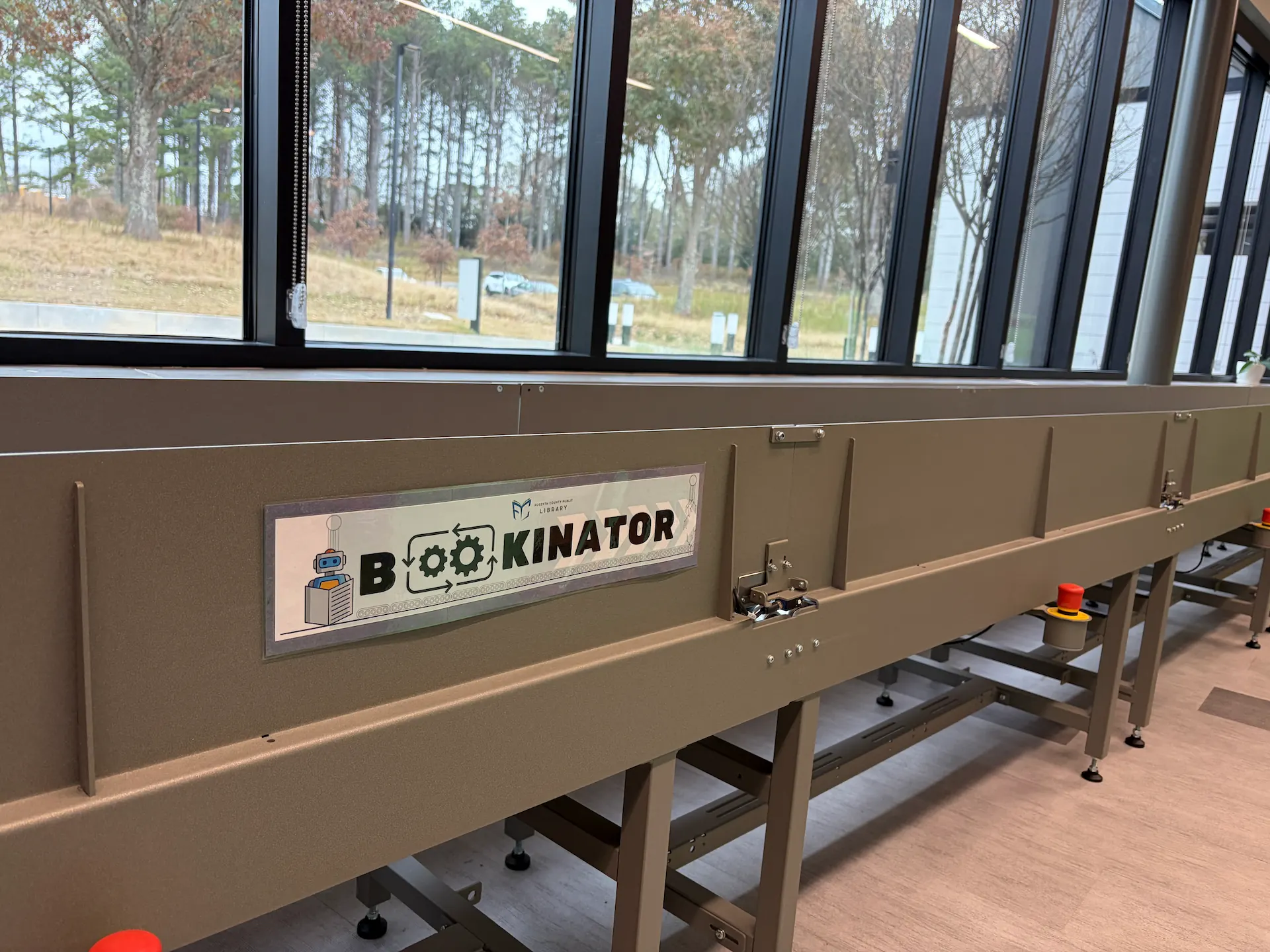
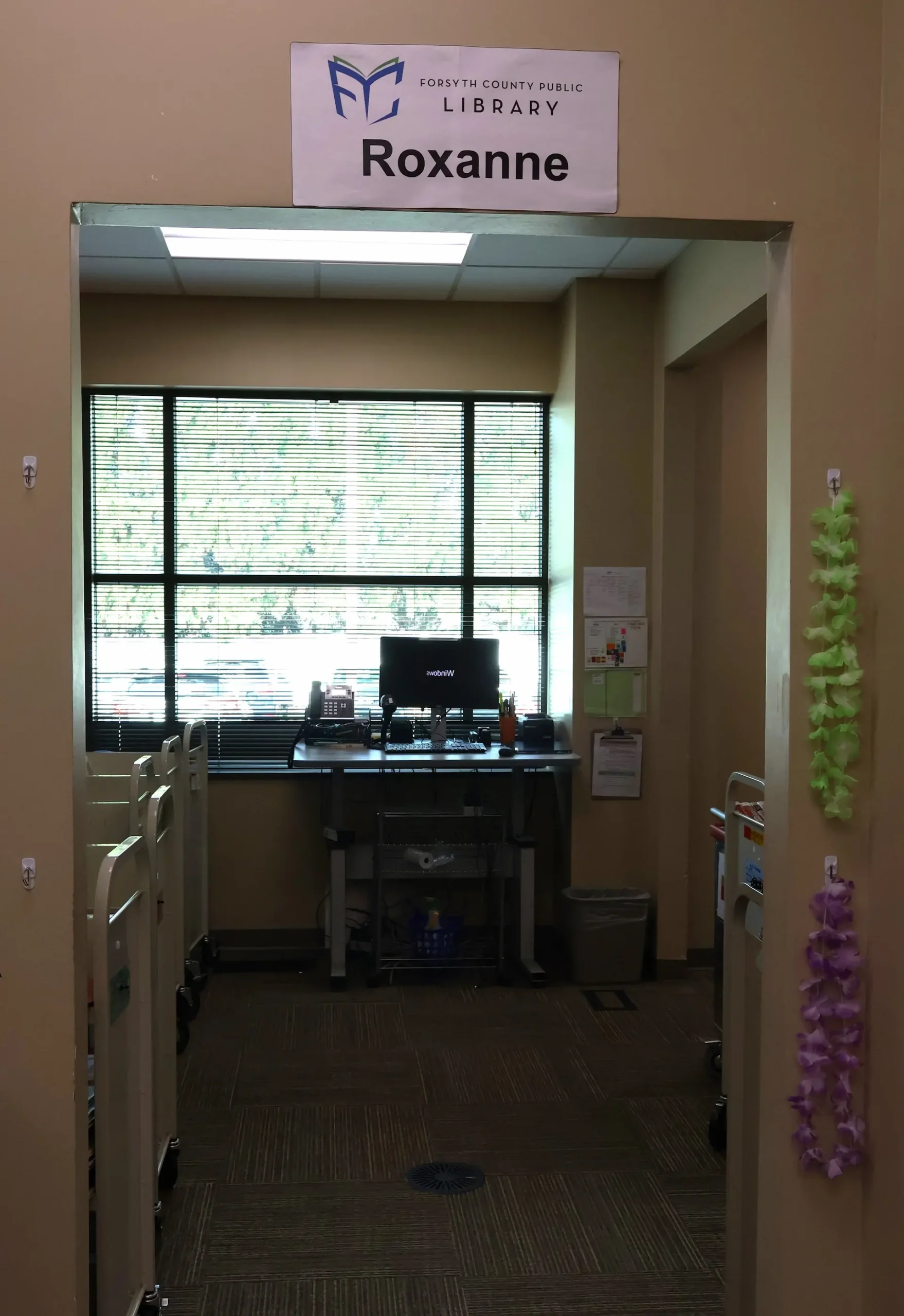
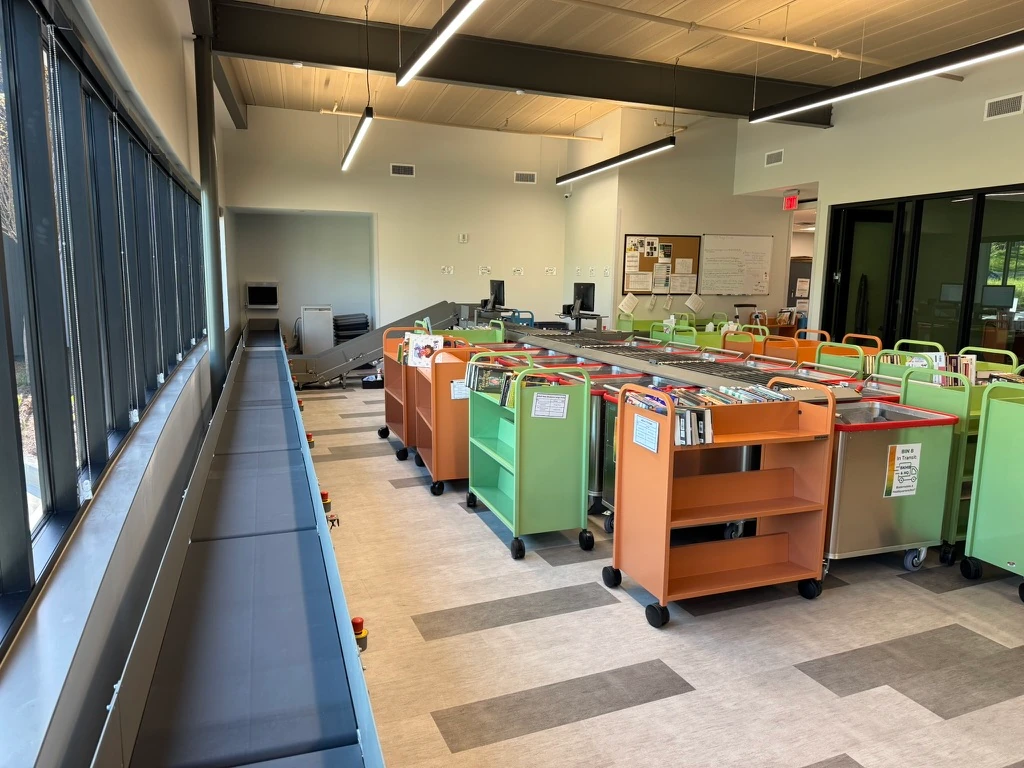
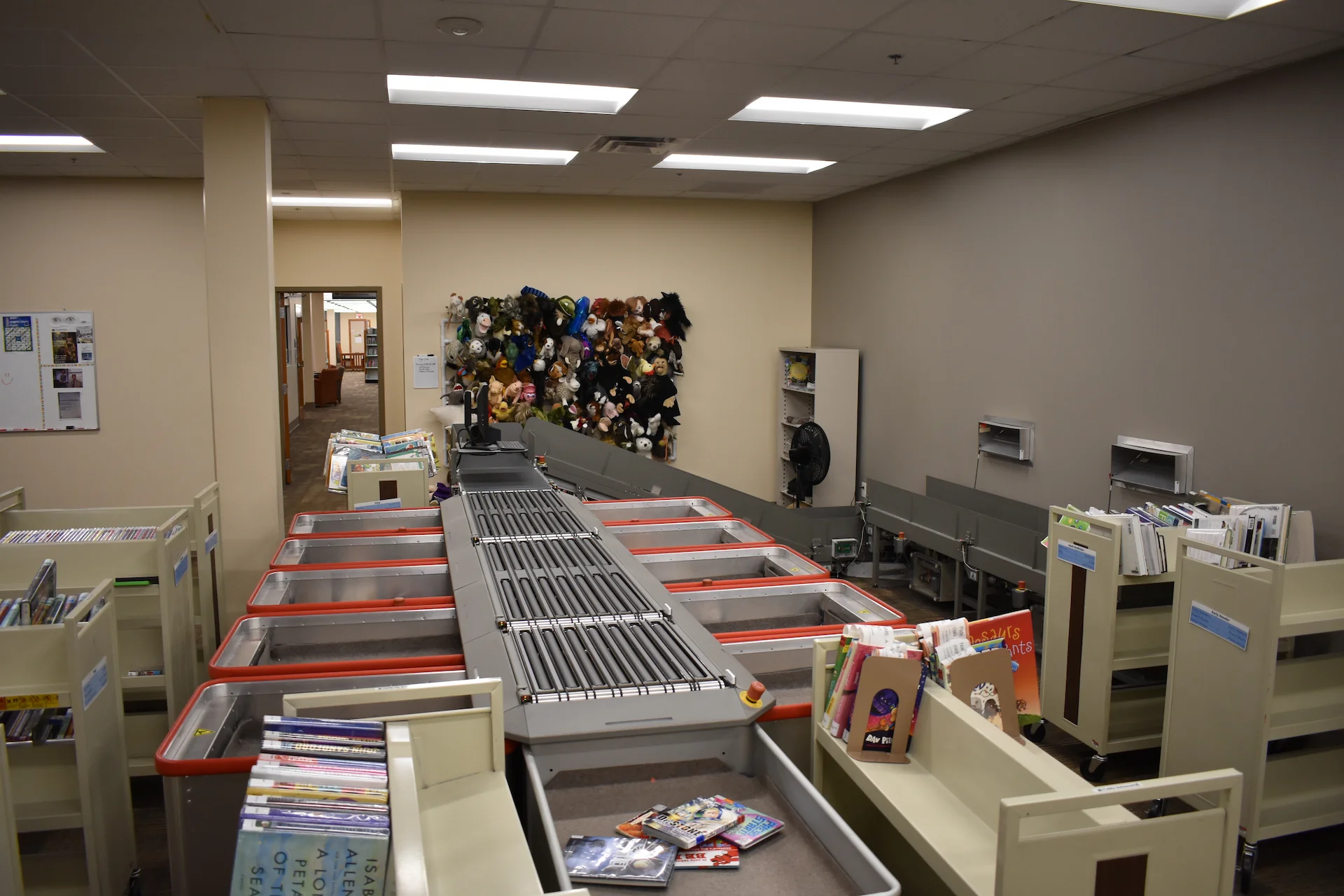
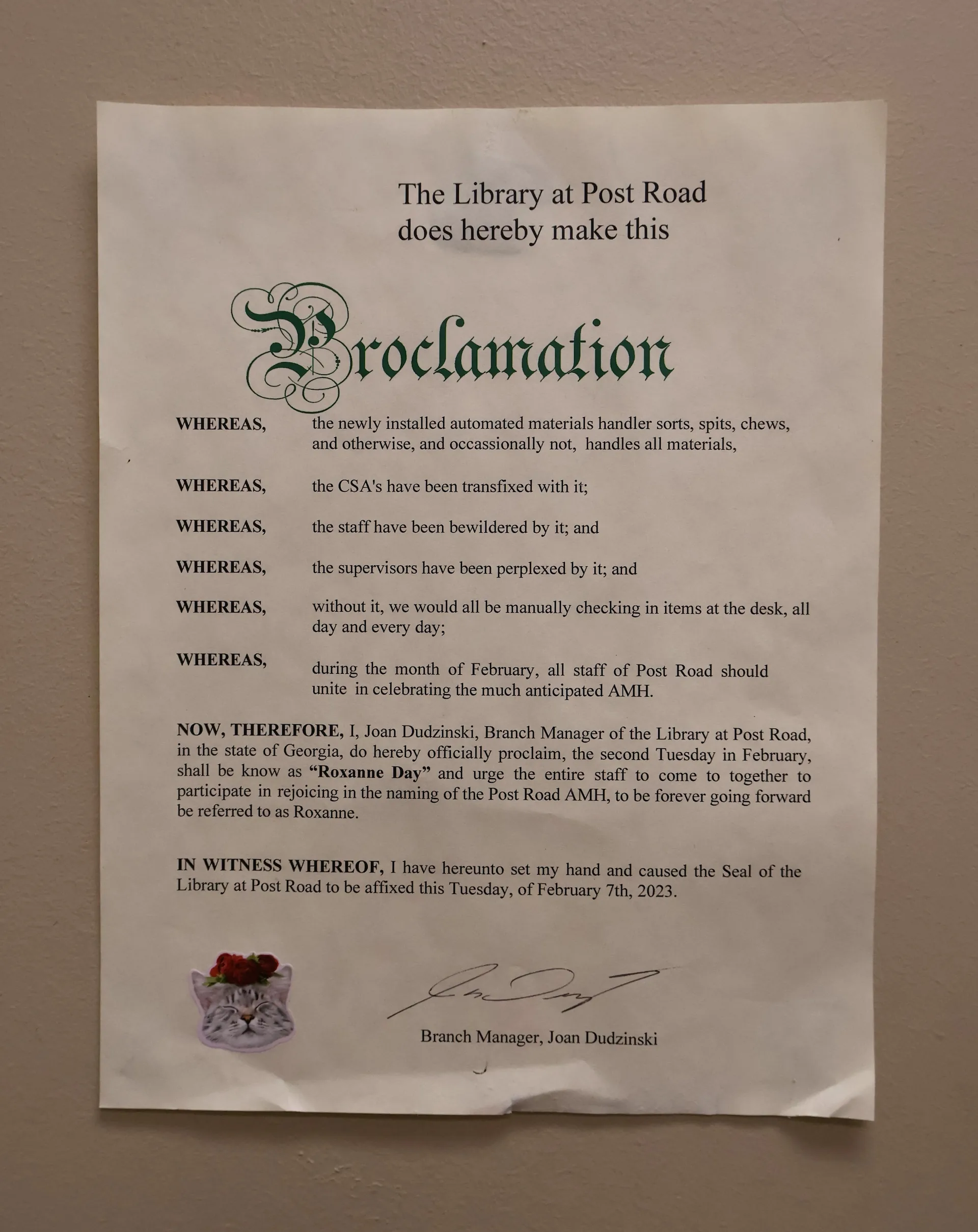
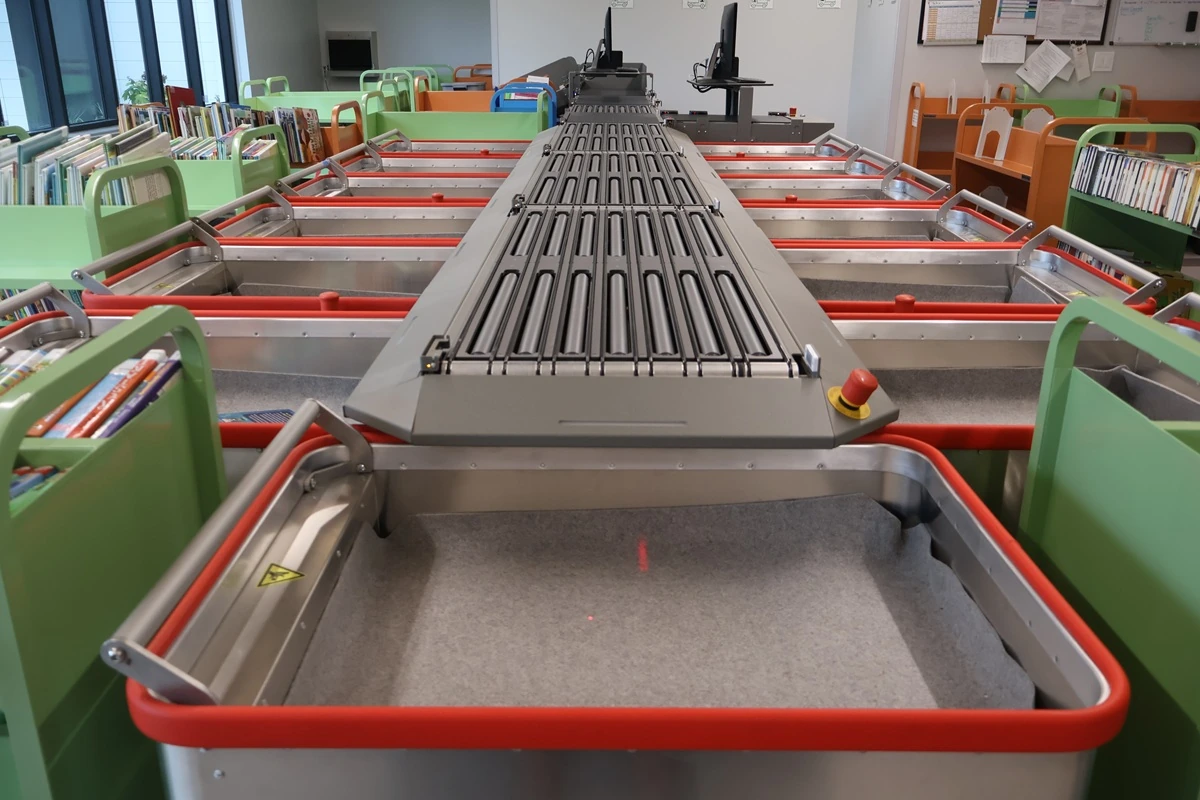
At Forsyth County Public Library, staff gave their automated materials handling systems names like Irma, Roxanne, and The Bookinator. Photos: Forsyth County Public Library.
The Pattern
Across Wauwatosa, Minneapolis, St. Catharines, and Cumming, libraries are signaling something similar when they give their technology names: that the machine is dependable, that it has a role, and that it belongs here.
The reasons for naming vary considerably. A spite acronym. A building’s benefactors. A branding brainstorm. A hurricane. What the names share is a kind of ownership. The technology may automate workflows. The names make it part of the community.
Does your library have a name for its technology? We’d be glad to hear the story. Reach our team at info@bibliotheca.com.
Spread the Word

You may also Like
Insights + Trends
AI for Librarians: Where to Start and 5 Real Use Cases
The skills behind a good reference interview are the same ones that make AI useful. A library director shows how, with five projects you can borrow.
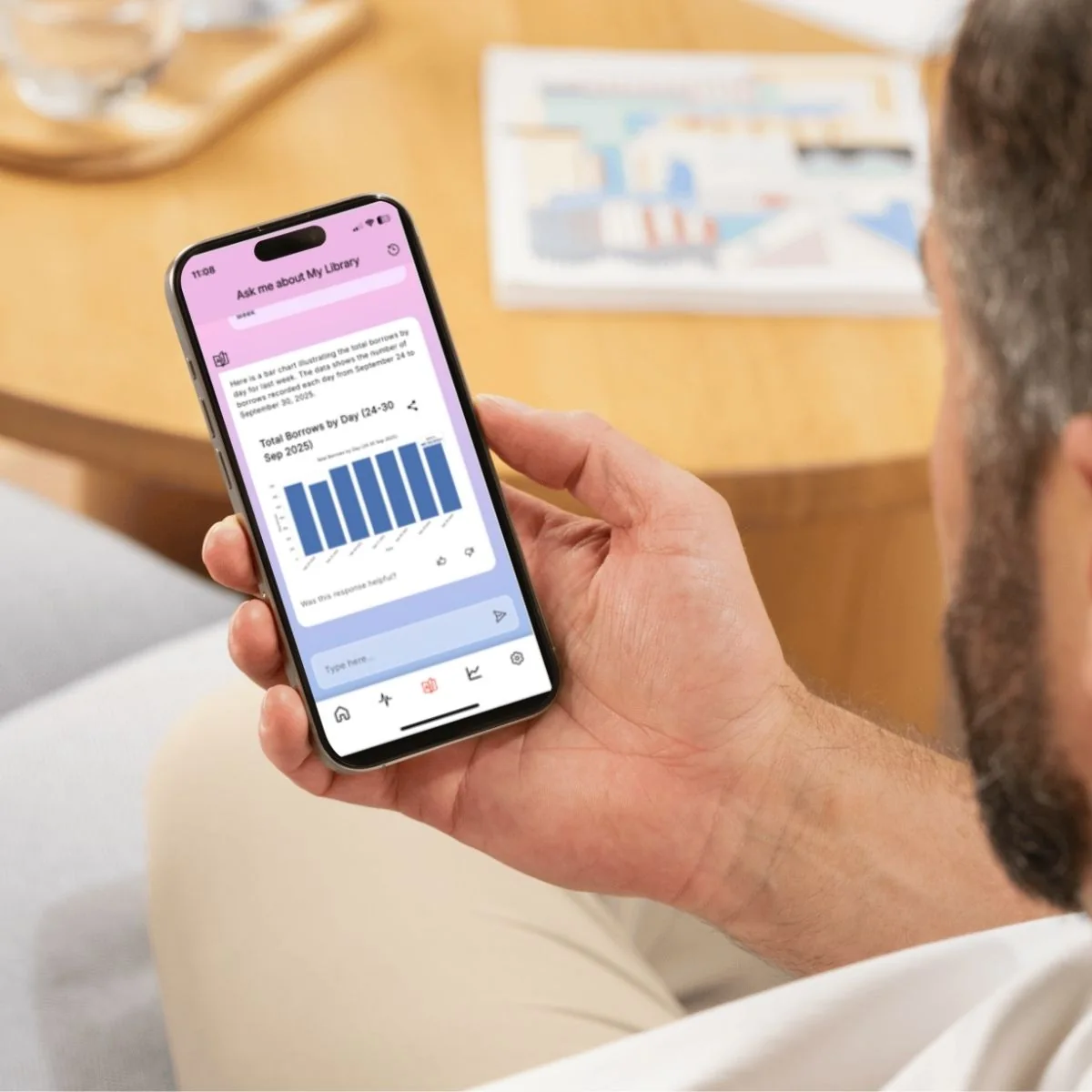
libraryConnect LINK: Managing Devices, Data and Support in One Place
See how libraryConnect LINK gives library teams a clearer way to monitor equipment, manage changes, troubleshoot issues, and use operational data.
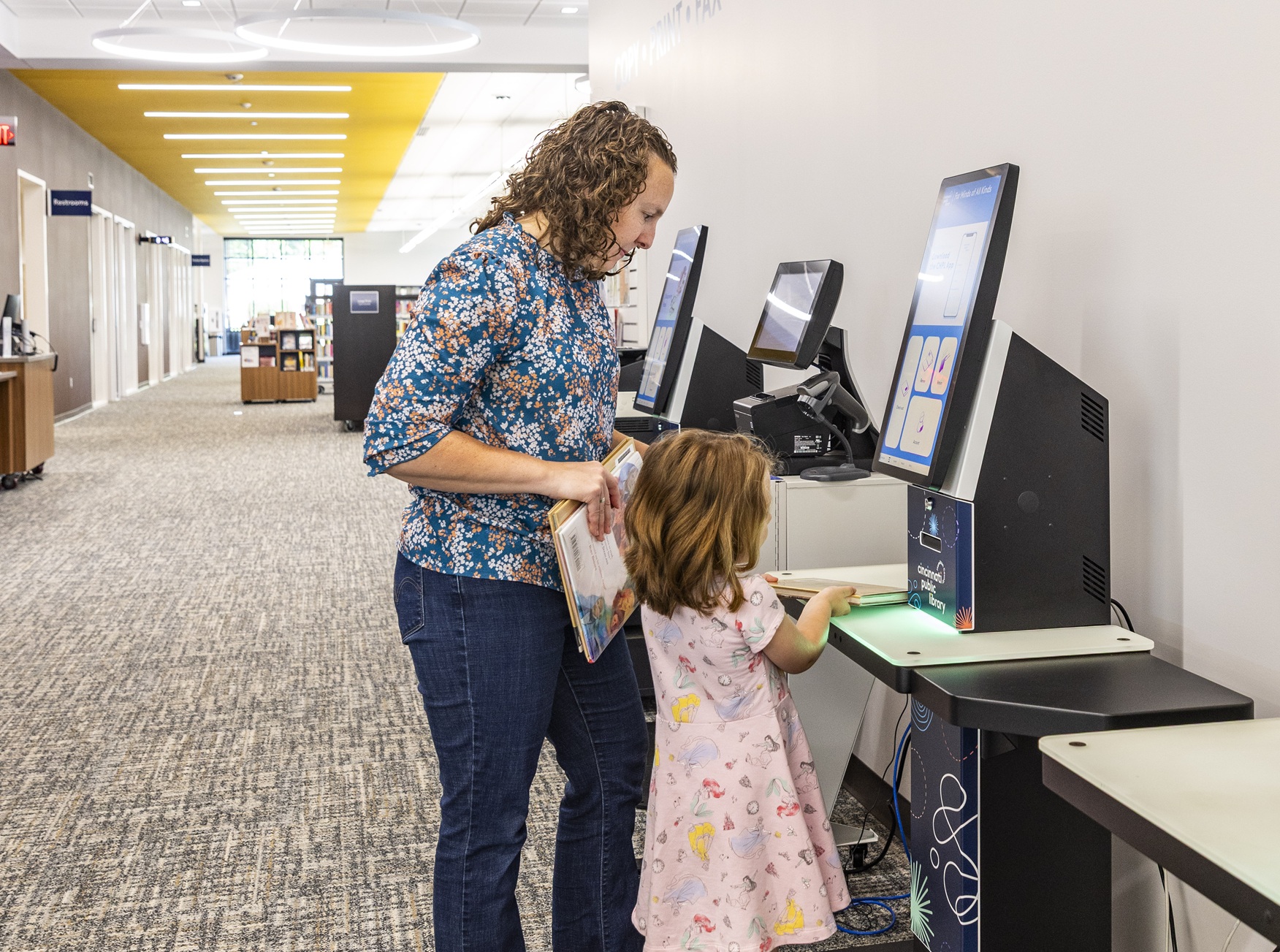
RFID in Libraries: What It Is and What It Changes
Learn what RFID tags contain, what it takes to convert a collection, and what libraries should consider for checkout, security, and inventory.