



Challenge

Solution

Result
By Lisa Stamm, MLS
Sr. Solution Consultant · Master of Library Science
Imagine skeins of dark blue-green yarn tumbling out of a giant basket and settling into a wavy landscape. Sprinkle in a band of horses, billowing clouds, and low, wooden fences, and your mind’s eye will have conjured the iconic Bluegrass Region of Kentucky. While covering only a small swath of the entire state, the region is home to world-famous thoroughbred horse racing, ninety-five percent of the world’s bourbon industry, and distinct and invigorating bluegrass music.

Horse farms and rolling hills define Kentucky’s Bluegrass Region. Photo: iStock.com/alexeys
With its velvety hills patterned by looping roads beckoning a leisurely drive, the Bluegrass Region is a respite from more cluttered environs, and its rich history and lively culture promises stimulation for curious minds. Madison County, located in the southeastern span of the region approximately thirty miles from Lexington, is fast-growing and home to 100,000 people. It is a destination for adventurers who revere historical events at the same time as enjoy the vitality of modern pastimes.
Richmond and Berea, the largest cities in Madison County, offer residents and visitors plentiful activities and entertainment. From Richmond’s Civil War and pioneer life reenactments to water slides and mini-golf, top billing performances at Eastern Kentucky University’s 2,000-seat Center for the Arts to Berea’s artisan boutiques and working artists’ studios, the area easily captures one’s attention.
Eastern Kentucky University (EKU) is known as “The Campus Beautiful” and is worth a stroll, including touching the well-worn foot of its Daniel Boone statue for good luck. If you’re after something louder, pay a visit to Richmond Raceway, aka “The Beast of the East,” to experience dirt racing around its famous 3/8-mile clay oval.

Photo: iStock.com/Mshake
Fifteen miles directly south of Richmond is the city of Berea, officially known as the “Folk Arts and Crafts Capital of Kentucky” and boasting a city motto of “Where Art’s Alive.” Handmade art in countless forms, including glassware, jewelry, textiles, metals, and pottery, can be found in Berea’s shops and studios, making it easy to turn shopping for mementos, décor, and gifts into full-day activities.
Berea is designated an official “Kentucky Trail Town” and offers short- and long-term hikers a guaranteed friendly stop along their routes, and both Richmond and Berea have an abundance of outdoor recreation available to community members and visitors. Hiking, kayaking, swimming, boating, paddleboarding, horseback riding, biking, picnicking, fishing, and playing horseshoes, all while catching glimpses of wild turkeys, foxes, hawks, woodpeckers, turtles, rabbits, hummingbirds, owls, and many other creatures.
Madison County takes pride in showcasing people and places in its history, including Berea College, the first interracial and coeducational college in the American South. The college was founded in 1855 by abolitionists who espoused and built a place of educational equality for men and women of all races, and today it remains a top-ranked, tuition-free college for “…academically promising students with limited financial resources, making it the most selective institution in Kentucky.”
In another historical Kentucky first, seven highly-skilled, highly educated Madison County residents were among the specially chosen to join the Tuskegee Airmen, the first African American military aviators and support crews for the United States during World War II. Known as the “Red Tails” because of the red-painted rudders on their planes, the Tuskegee Airmen combat pilots were repeatedly awarded for heroism. The name Tuskegee Airmen also applies to the nearly fifty African American women mechanics, nurses, supply pilots, and secretaries that operated the bases, and one of those women, Private First Class Carolyn Runyon, was part of the seven from Madison County.
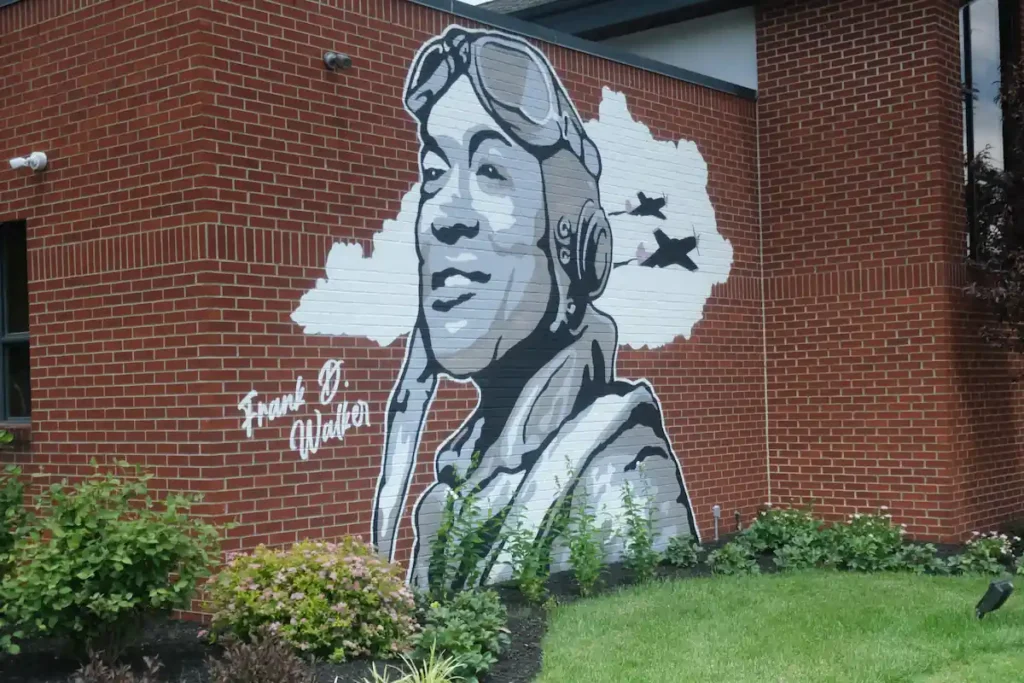
Credit: All library photos courtesy of Madison County Public Library
Madison County is proud of its seven Tuskegee Airmen and honored their contributions with a ceremony, historical marker, and mural at the main branch of the Madison County Public Library. The mural, designed and painted by a Kentucky artist, is of First Lieutenant Frank D. Walker, a combat pilot who flew fifty-five missions before returning home to become the first African American U.S. Postal Service carrier in Richmond, a post he held for thirty-two years.
As evidenced by the mural, Madison County Public Library is adept at celebrating community members of its past, at the same time as diligently preparing and inspiring today’s community for success and enjoyment in life. “Madison County is a fast-growing county,” says Christina Cornelison, Executive Director. “I grew up here, born and raised, and my whole family is from here, back multiple generations. The area has changed so much over the past twenty-five years; we’ve gone from a rural county to the seventh largest county in the state, and population continues to grow. We just hit one-hundred thousand people, which is a pretty good size for our state.”
The rapidly growing Madison County has two primary cities, Richmond and Berea, “…but as the county grows, more people are living out in the county than in those two cities. It’s a very educated county. Eastern Kentucky University is in Richmond, Berea College is in Berea, and we have an Army Depot. It’s a fairly economically sound county.”
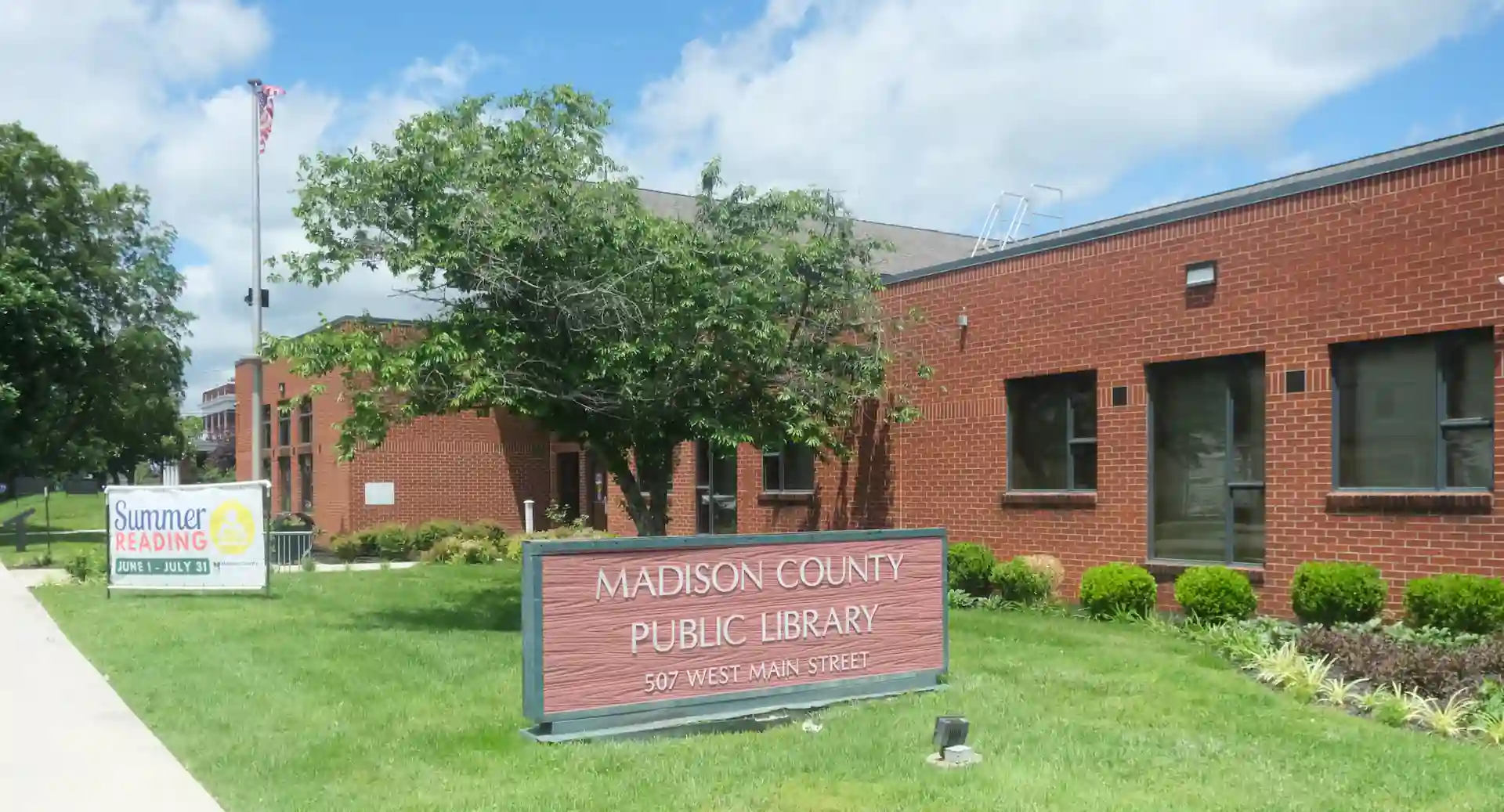
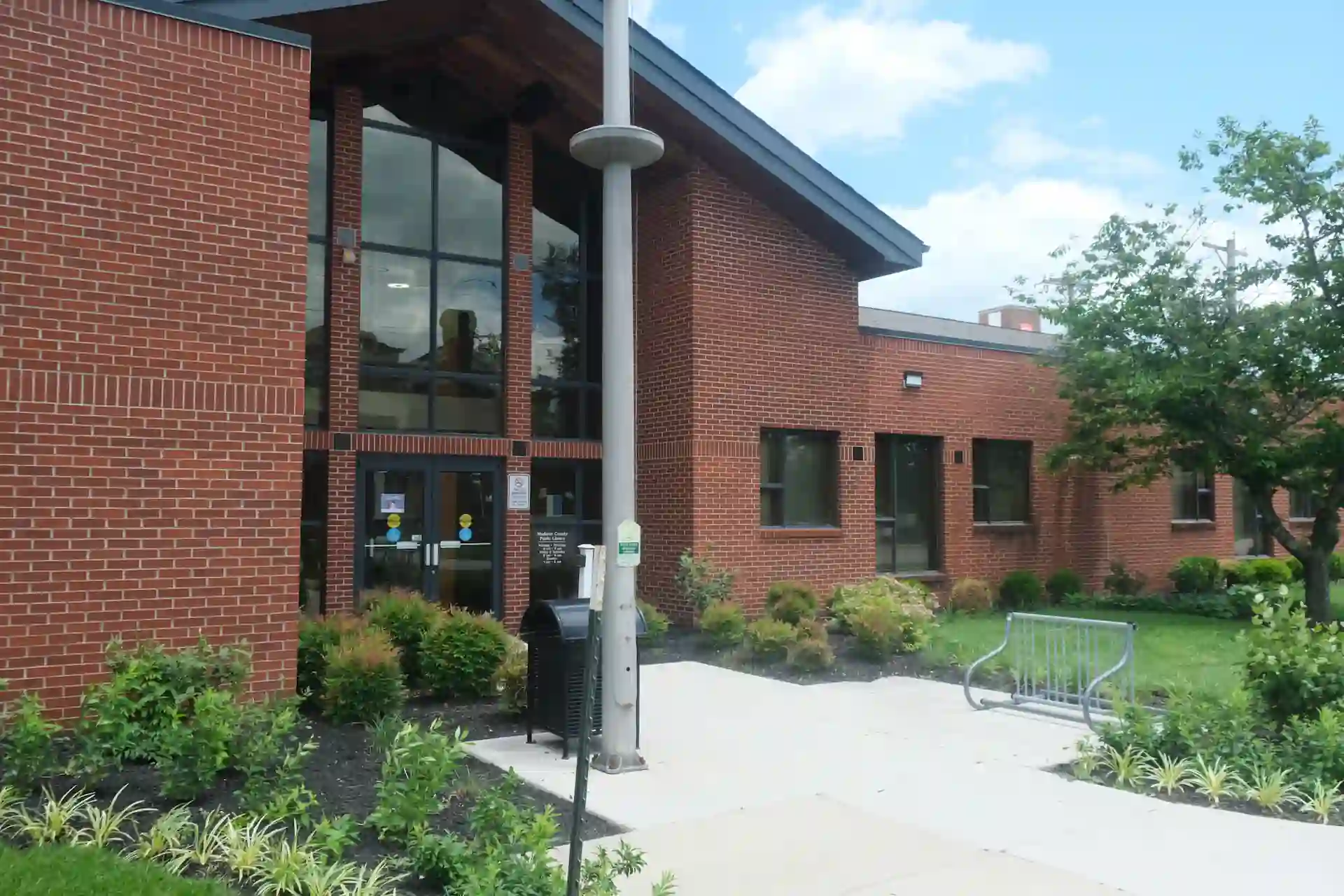
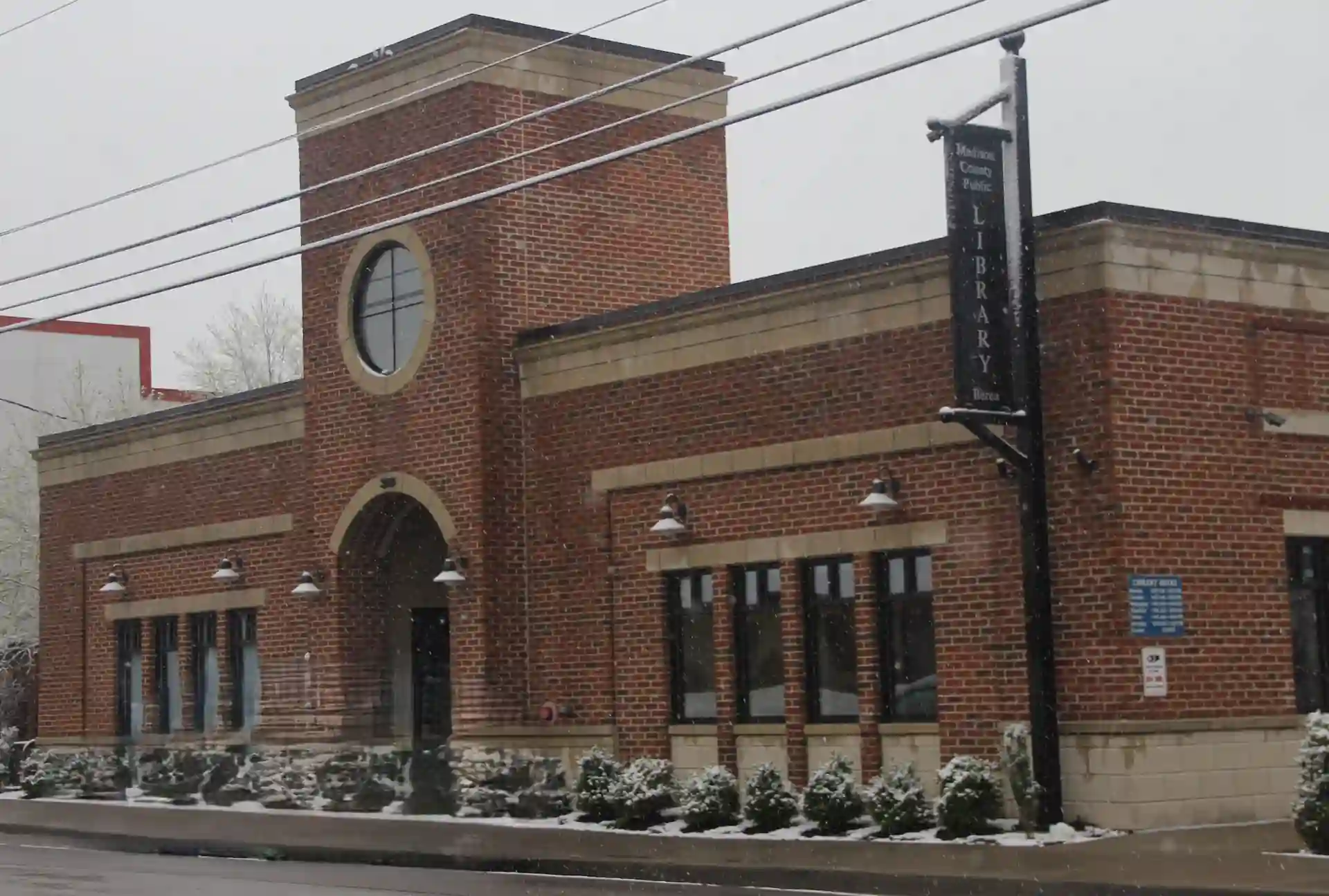
Madison County Public Library operates a main location in Richmond, a smaller branch in Berea, and a mobile library that travels throughout the county to bring books, storytimes, and other library services and materials to its farthest reaches.
“It’s a county that’s kind of urban, kind of rural, and growing really fast,” Cornelison says. “The library has only been around for thirty-nine years. We were the largest county in Kentucky without a public library system, until a group of citizens worked for nearly a decade to get a tax district formed in order to create a public library in 1987.”
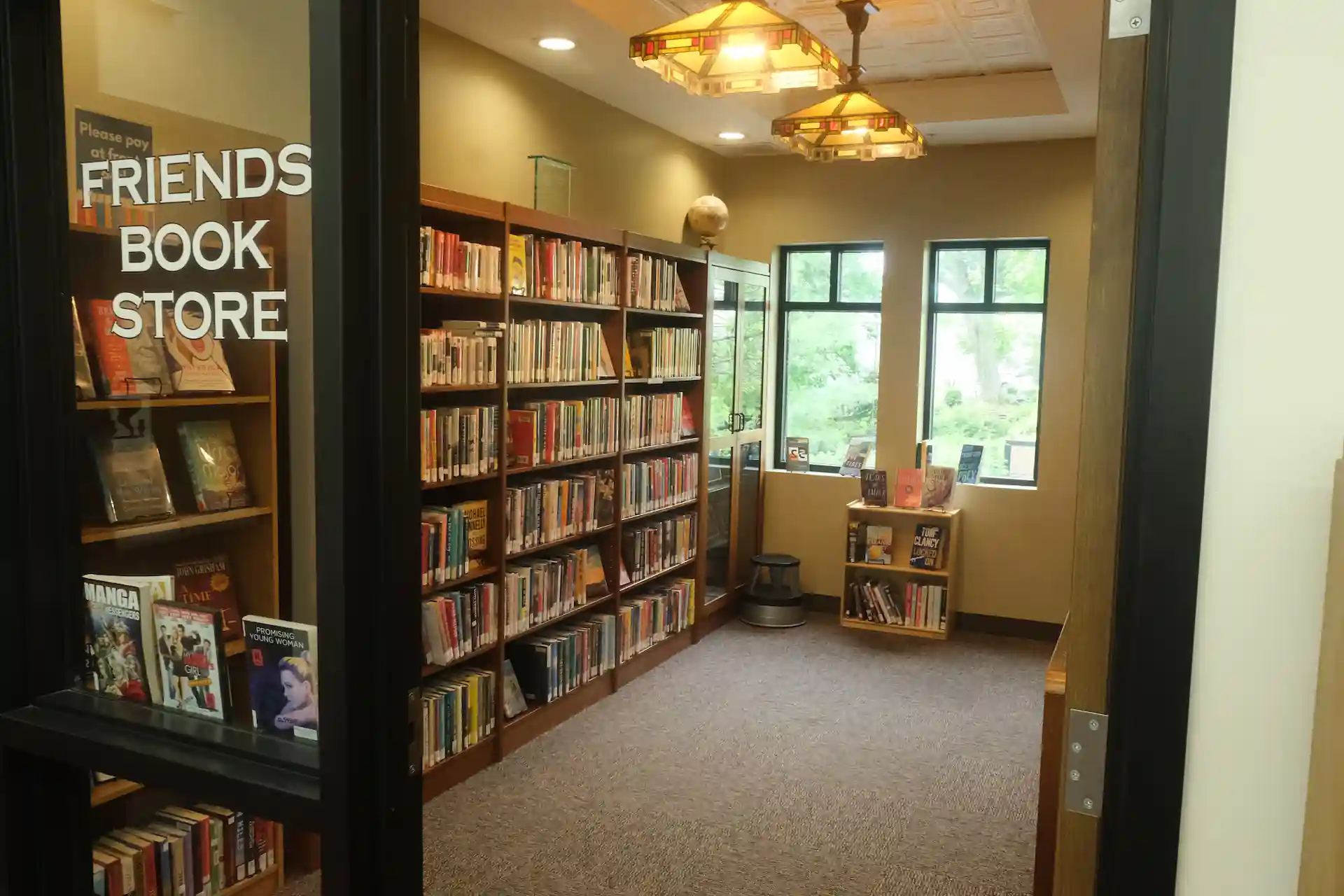
Community members who long ago advocated for the library to be built tell library staff that they were original supporters and remain strong users of the library to this day, and a great many who initially were not sure that they wanted a library now say that they see its benefits and enjoy using its materials and services. The high use of the library plus fast growth of the county means that maintaining appropriate levels of service for a healthy community takes some creative thinking to meet citizens’ needs.
Fortunately for Madison County, Cornelison is a creative thinker, savvy and constantly exploring ideas and methods to enhance ease of use and expand access to library materials and services. One way she found to achieve this was to convert the entire collection to RFID technology.
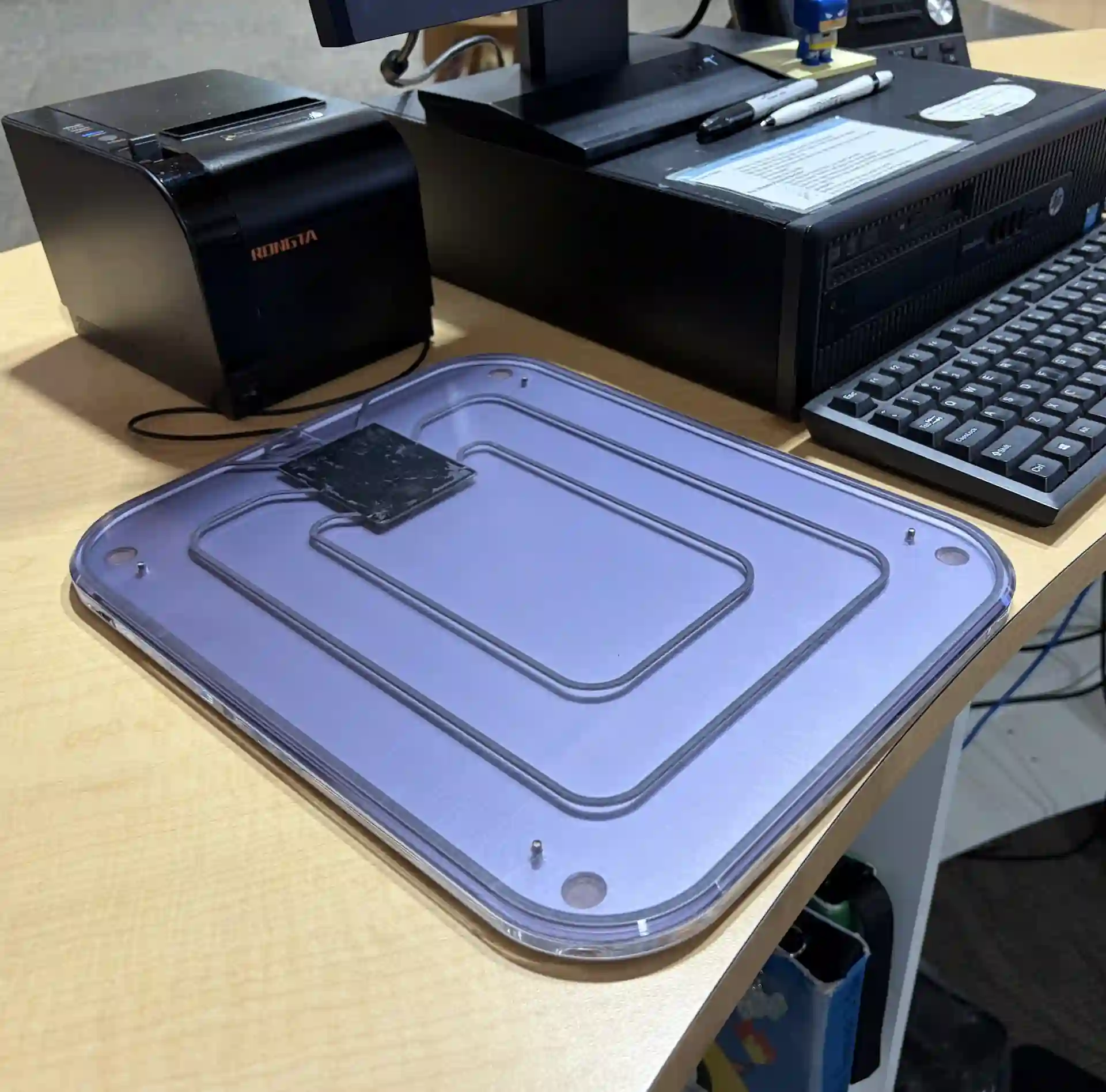
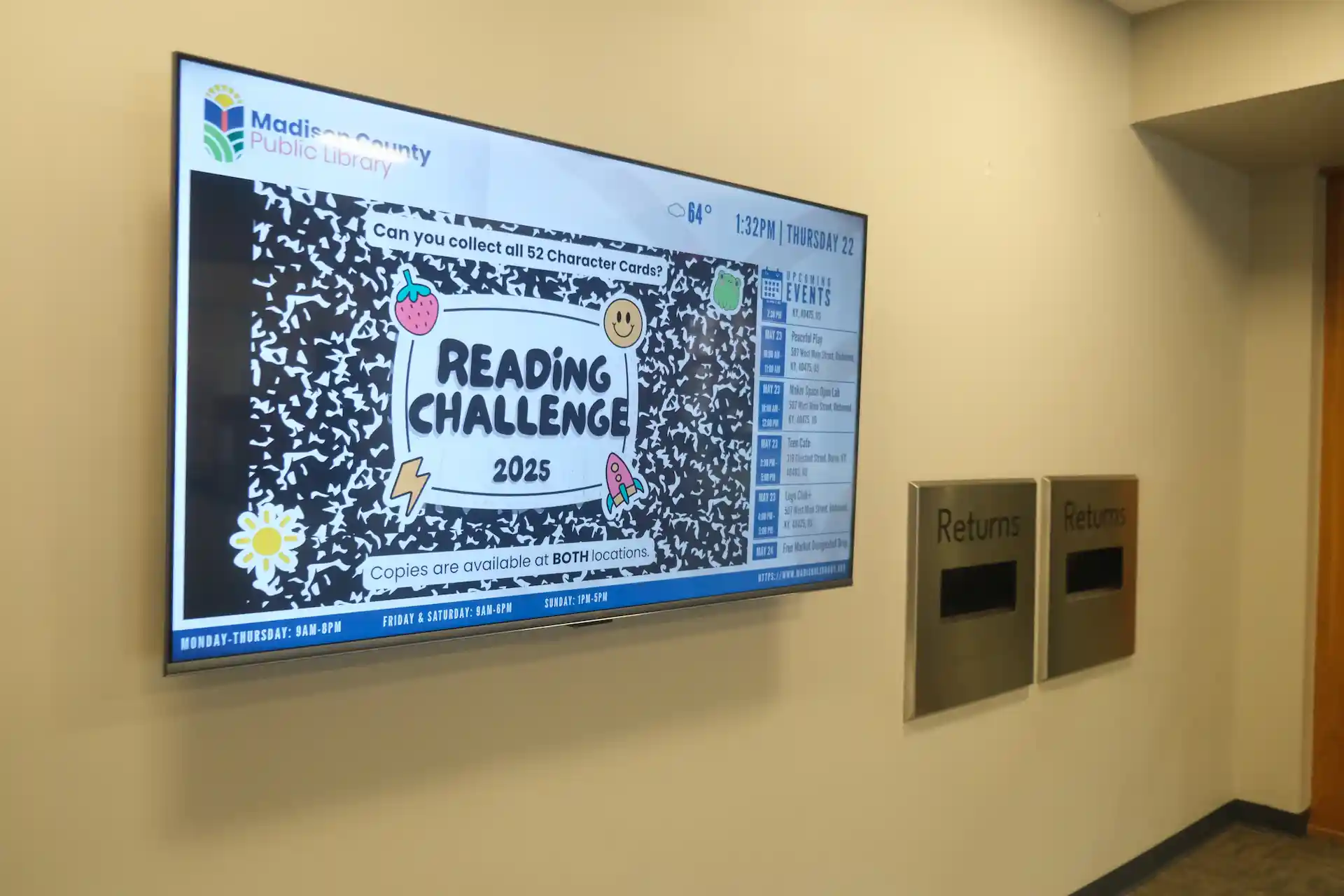
Using RFID in the selfChecks at each Madison County Public Library branch allows patrons and staff to borrow, return, and otherwise manage library materials and accounts accurately within seconds. The library uses uniFi+ software to customize their selfCheck screens, displaying colorful and engaging promotions for upcoming library programs along with important notices.
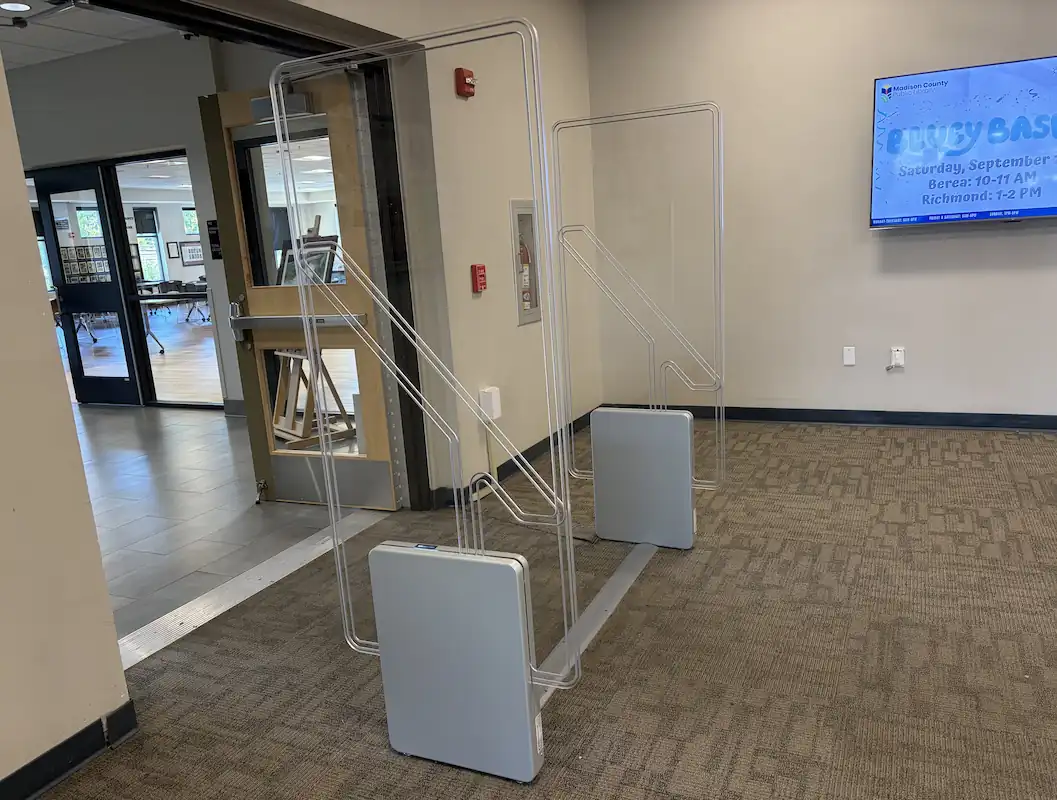
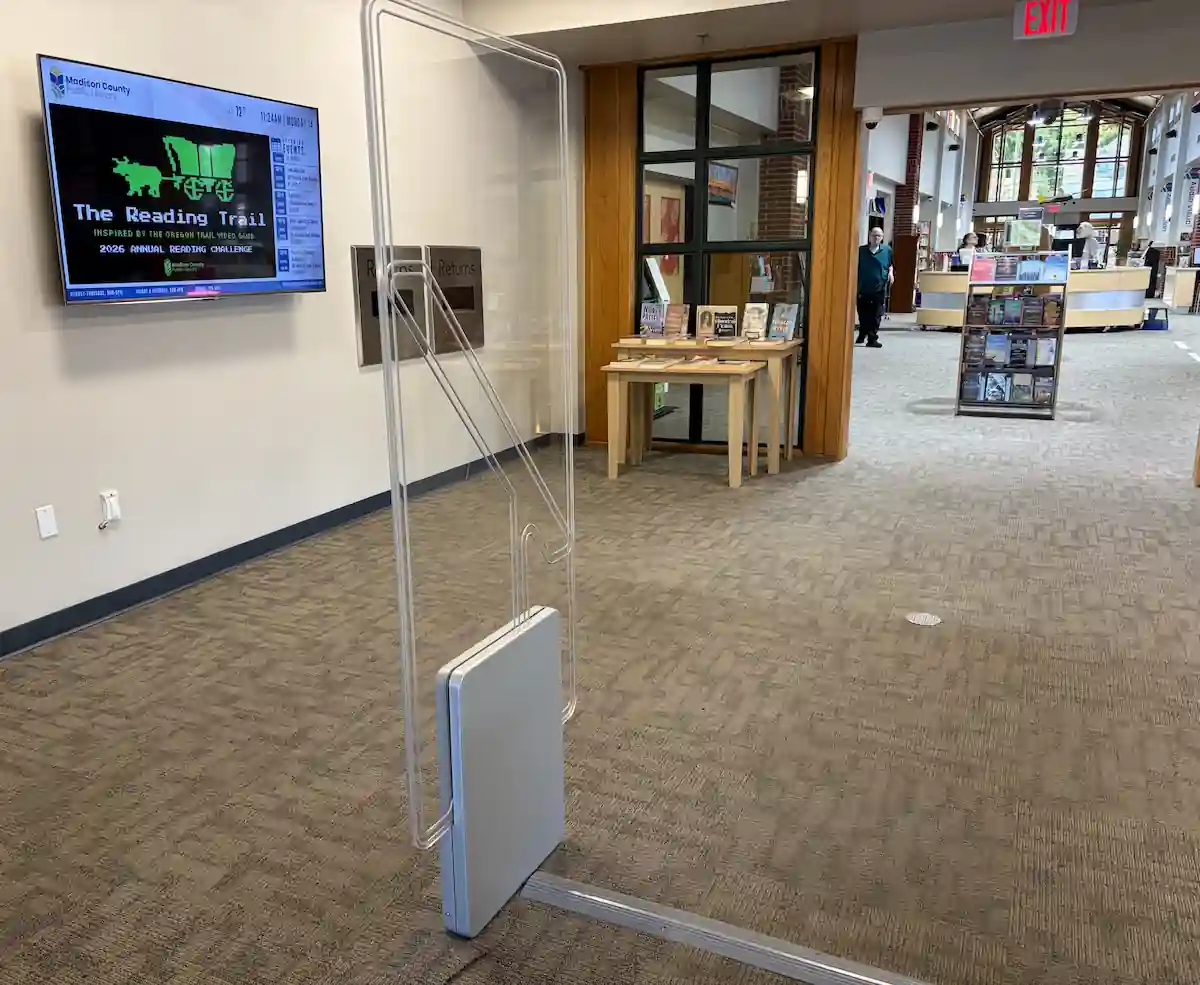
The library also upgraded to RFID security gates to secure the collection and be able to deeply examine door counts and usage patterns, and added flex bookDrops so that patrons can drop off and return multiple items at once, with the satisfaction of knowing that the items are instantly removed from their accounts.
When implementing library automation technology to streamline and improve processes, it is not unusual for some staff members to express concern that the new technology might replace them. Open communication and regular reassurance is helpful until staff see for themselves that the purpose, intent, and effect of the technology is to streamline processes, increase expediency and accuracy, and improve user experiences as a whole—not to reduce staff.
Cornelison also acknowledges and is empathetic toward the fact that most people don’t like change, and she was deliberate in her approach with library staff when transitioning the collection to RFID.
“Clarity is very important,” she shares, “and people knowing exactly what’s expected of them is very important. Giving people permission to make a mistake and telling them, ‘I don’t expect you to be perfect. This is a learning experience; we’re going to figure this out together.’ I was out there tagging materials with everyone for days. We had it organized and planned out, people knew what was expected of them, and of course, we gave them pizza, that always helps.”
The library utilized Bibliotheca Academy for training on the new technology, and found the expertise and approachability of the trainers useful. Approximately twenty team members from the library leadership, technology, circulation, and collection teams were trained, and then trained their departments.
After transitioning the collection to RFID, the library reveled in the time saved for staff, who no longer had to spend entire shifts doing repetitive manual labor.
”We have self-checks and a staffed circulation desk, and staffing hasn’t changed at all. It absolutely didn’t eliminate jobs; it changed them for the better. The roles went from being rote and task-oriented, to being one-hundred percent customer-facing. Their day looks different, because they’re not chained to the desk, constantly checking-out materials. Now, they’re able to walk around and relationship-build, provide readers’ advisory, put more books in the hands of more readers.”
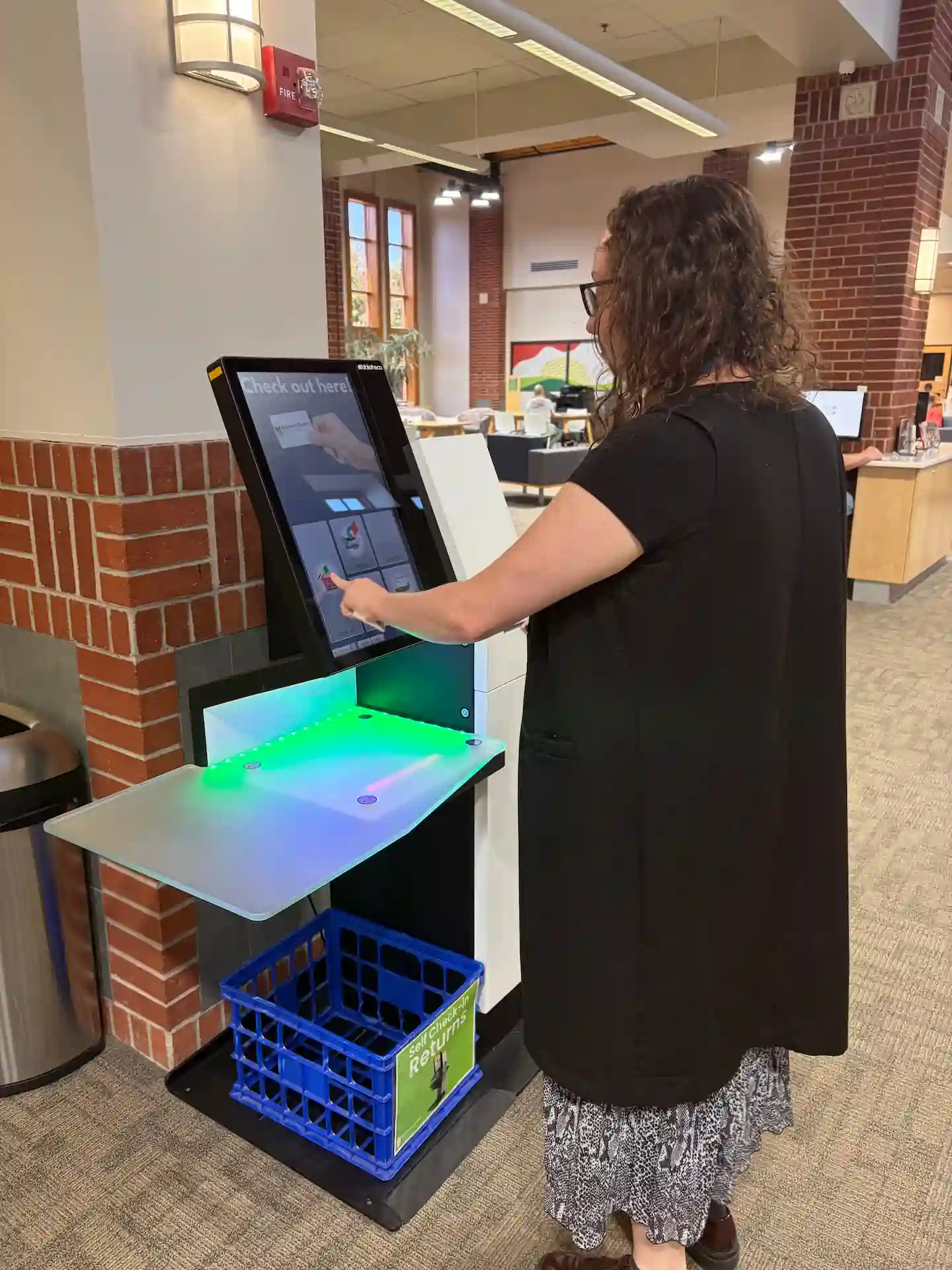
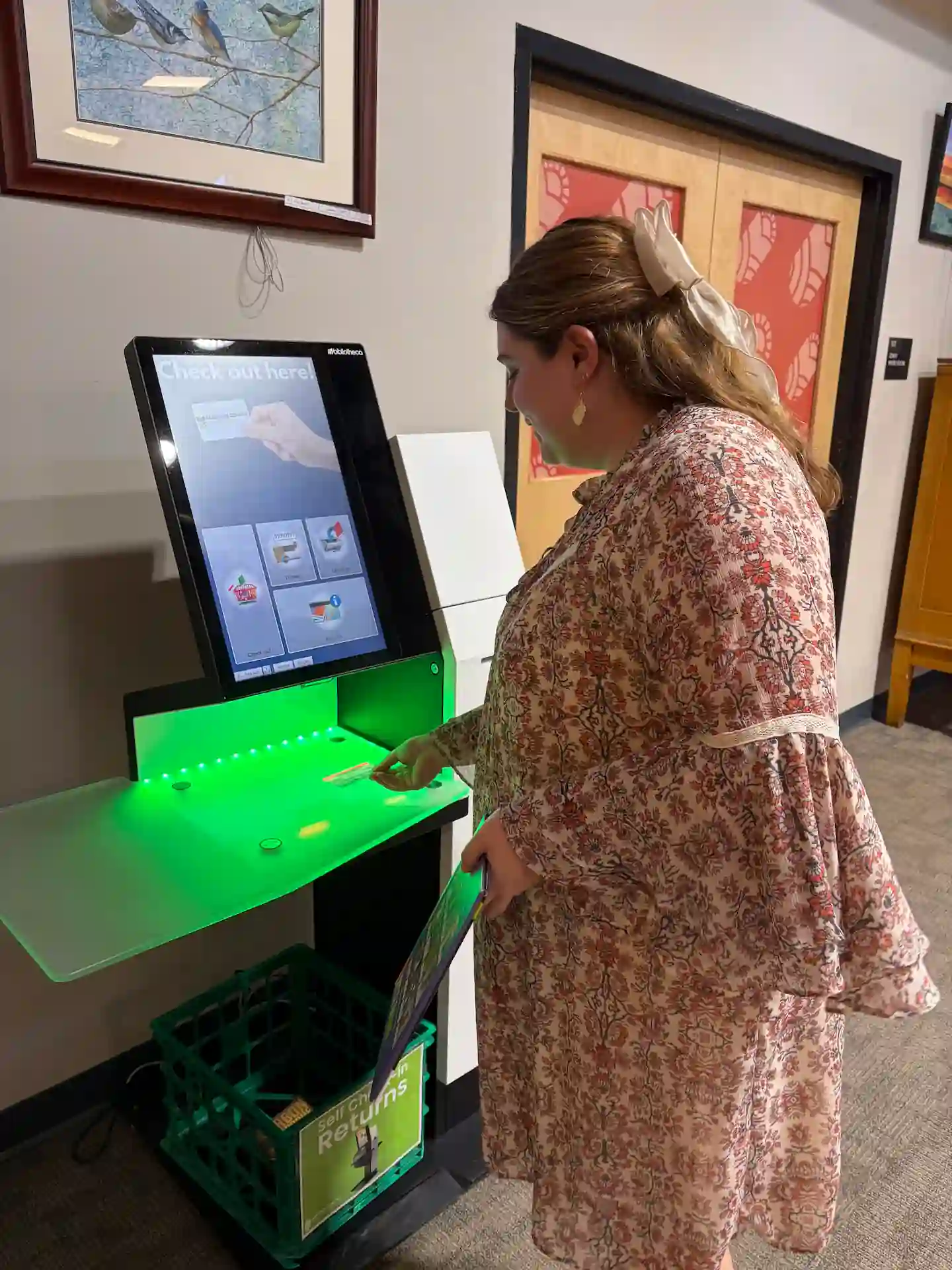
Community response to the selfChecks has been positive…and they, too, wanted reassurance that library staff were not being replaced.
“Our self-check usage consistently goes up year to year. When we introduced it at our branch in Berea, people were a little skeptical, even asking staff, ‘are they trying to get rid of your job?’ Berea’s a very small town, it’s the arts and crafts capital of Kentucky, a very artisan-driven, DIY maker type of place. So, when we added the self-check, we prepared our staff for those kinds of comments and conversations. The response was always, ‘no, this is going give me more time to talk with and assist you.’”
With RFID in place, the library added two more components to improve the patron experience and boost the reach of the library in the community: the cloudCheck tablet and remoteLocker+.
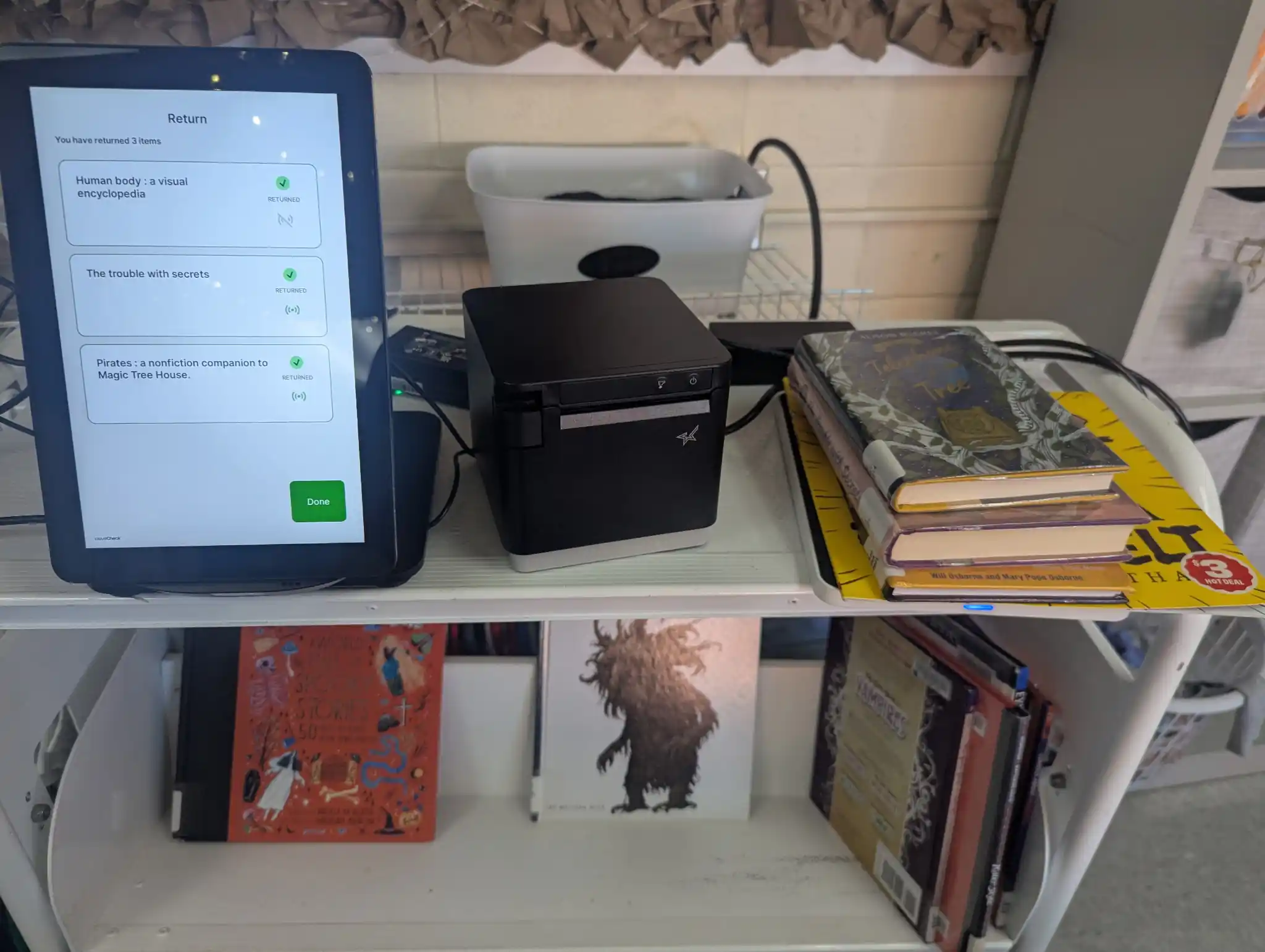
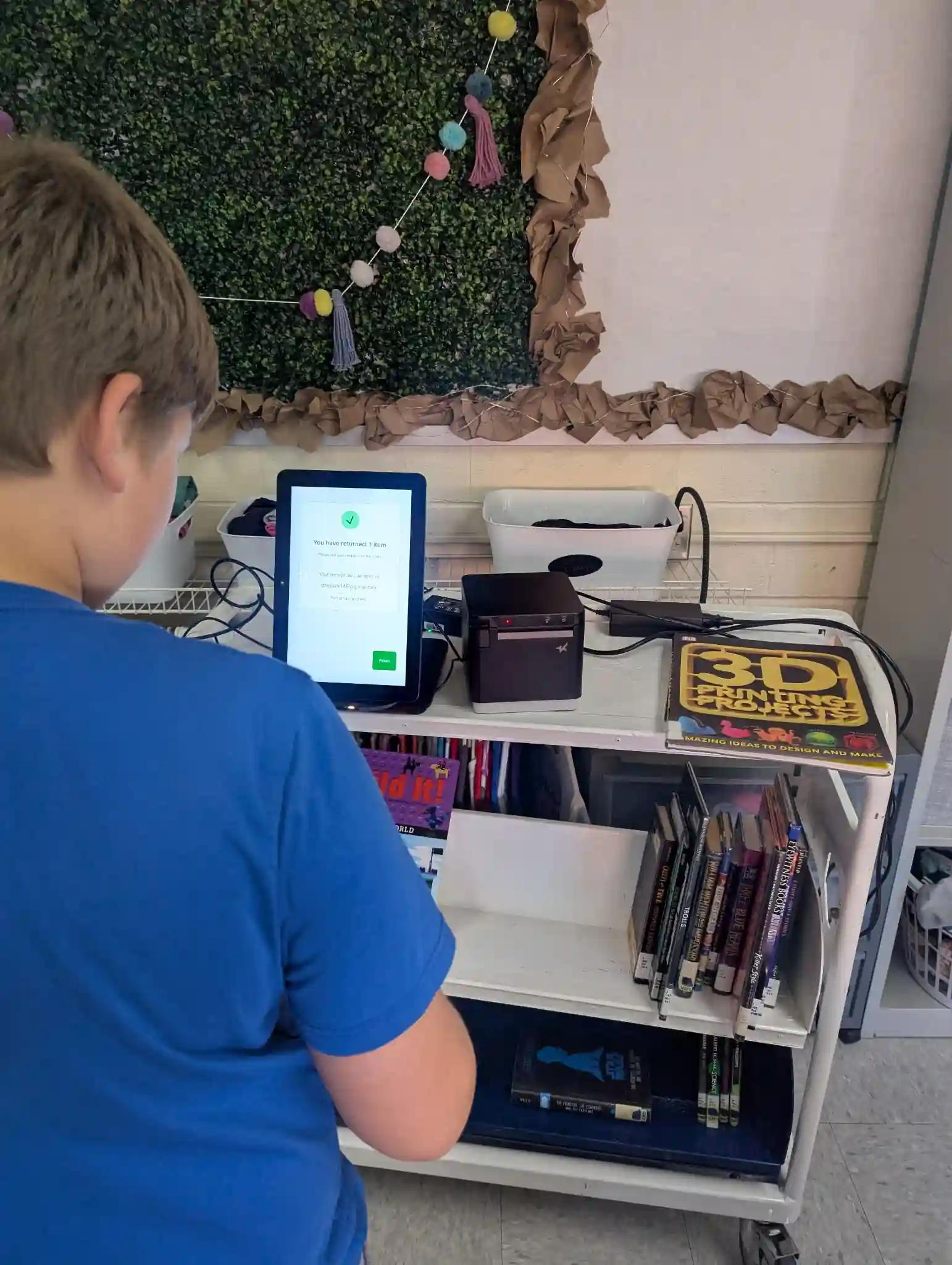
“We have grown our outreach,” Cornelison smiles. “We didn’t even have outreach when I started, and the goal of the director before me was to establish an outreach program, which she did. Now, we’re anywhere anybody will let us be. We got satellite internet for our bookmobile, so our outreach team is able to take it into rural areas and offer a Wi-Fi stop with a storytime while patrons use the cloudCheck to check out materials. It’s very streamlined self-service. It allows us to bring people everything they would experience inside the brick-and-mortar library. It’s meeting people where they are.”
As Cornelison continued to look for ways to expand the presence of a two-branch library system across a county of 100,000 people, she explored the idea of offsite lockers. Access to library materials in alternate locations is important for all libraries, and especially libraries serving large communities. It is critical to make it as easy as possible for those who live far from a branch, or who work nontraditional schedules, or who are without reliable transportation, to be able to borrow library books and materials in ways that do not cause them hardship.

“When we were doing strategic planning,” she says, “we realized that there was a big gap in kindergarten readiness and a big gap in adult education.
The library reached out to and collaborated with the Louisville-based National Center for Families Learning (NCFL), and secured grant funding to develop an annual library program based on NCFL’s Play With Purpose. The library calls the 12-week series “Get Ready for Kindergarten,” aligns it with state early childhood standards, and has received great community response.
“It teaches parents to be their child’s first teachers,” Cornelison elaborates, “and it focuses heavily on the literacy component, but also on developing fine motor skills, using tools, pattern recognition, and other techniques that contribute to kindergarten readiness, together. The parents love it. They feel more confident, and that their child will be able to thrive in kindergarten.”
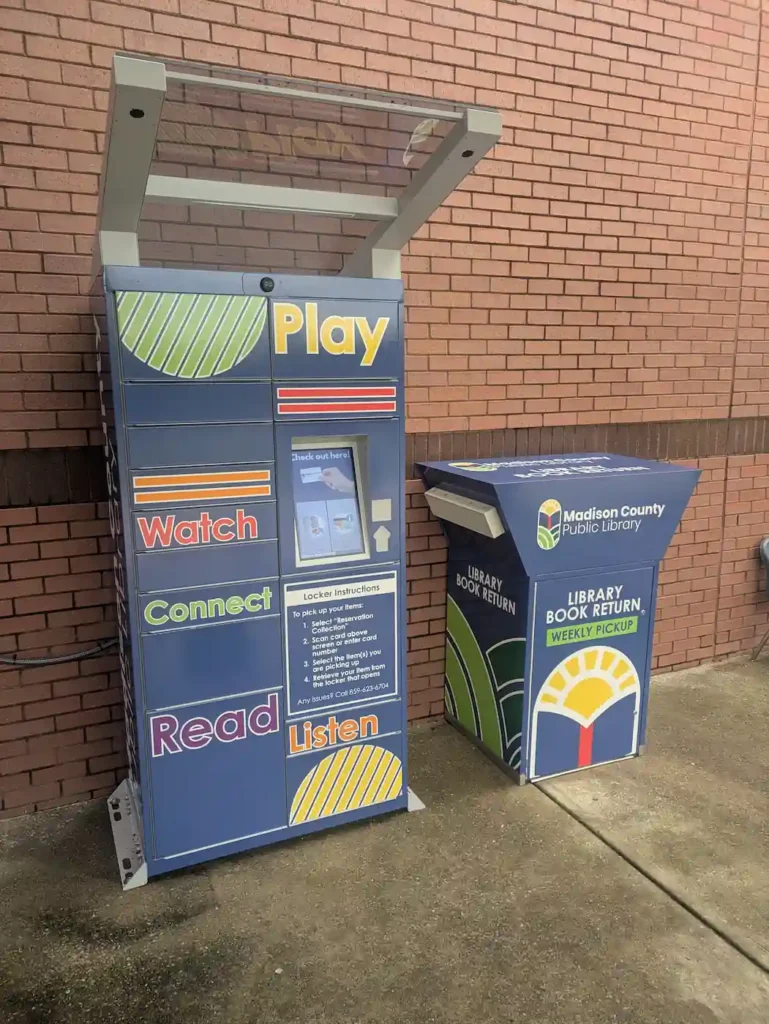
Along with the kindergarten readiness series, the library partnered with one of Madison County’s rural elementary schools, and that is precisely where Cornelison decided to place a remoteLocker+. “We realized that that area, in particular, needed a lot of investment in terms of getting those kids kindergarten-ready.” Library lockers accessible 24-hours a day, 7-days a week, helps to support families and educators in their endeavors to prepare students for lifelong success.
The library had, in the past, implemented lockers from a different source. The former lockers were not RFID-enabled and “…they didn’t work out that well. I was really excited to get Bibliotheca lockers, because consistency is important. If I’m using the self-check in Richmond, the fact that I can go to a locker in the very south end of our county and encounter the same technology that I’m used to, cuts down on confusion from the customer and cuts down on hesitancy to use something different.”
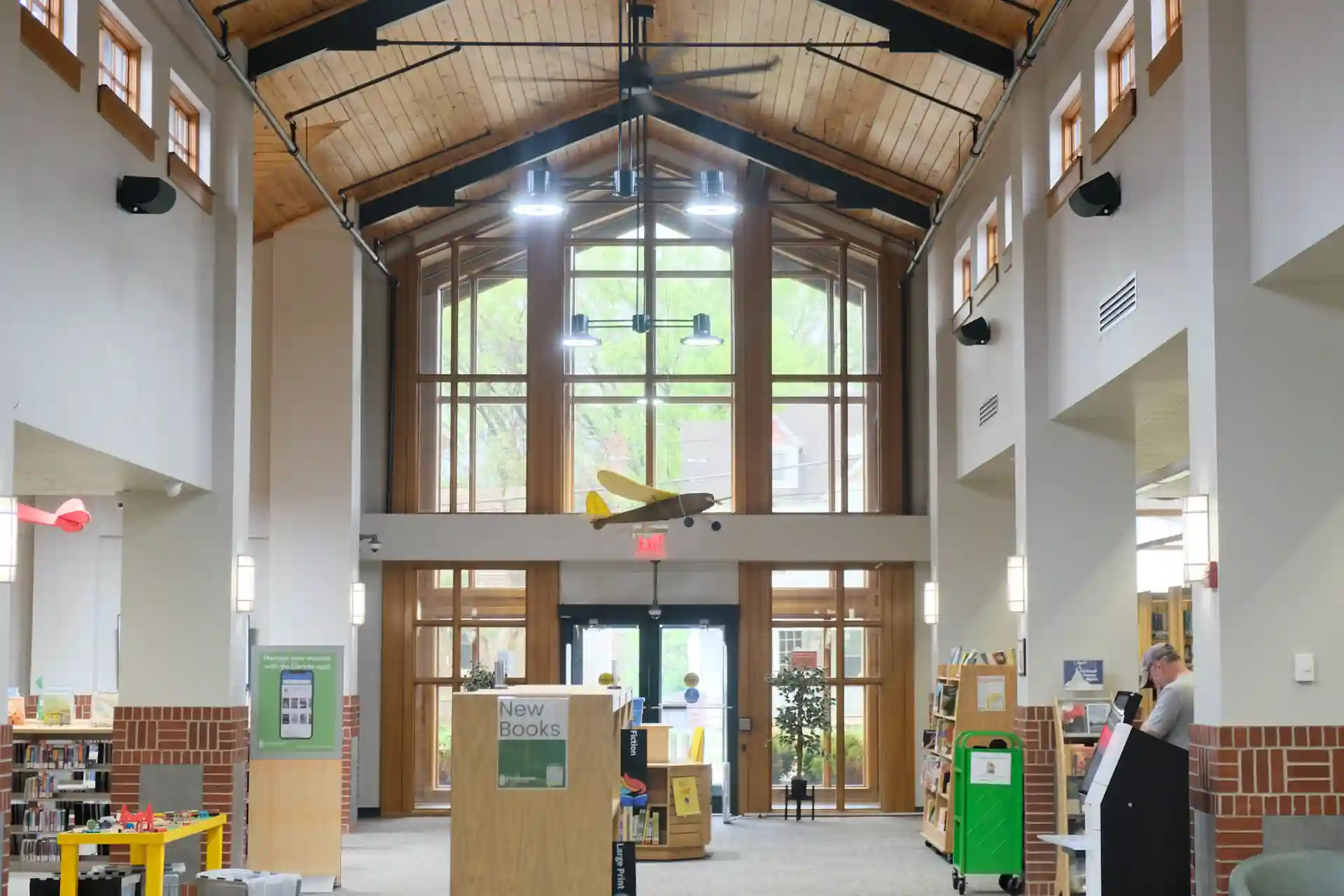
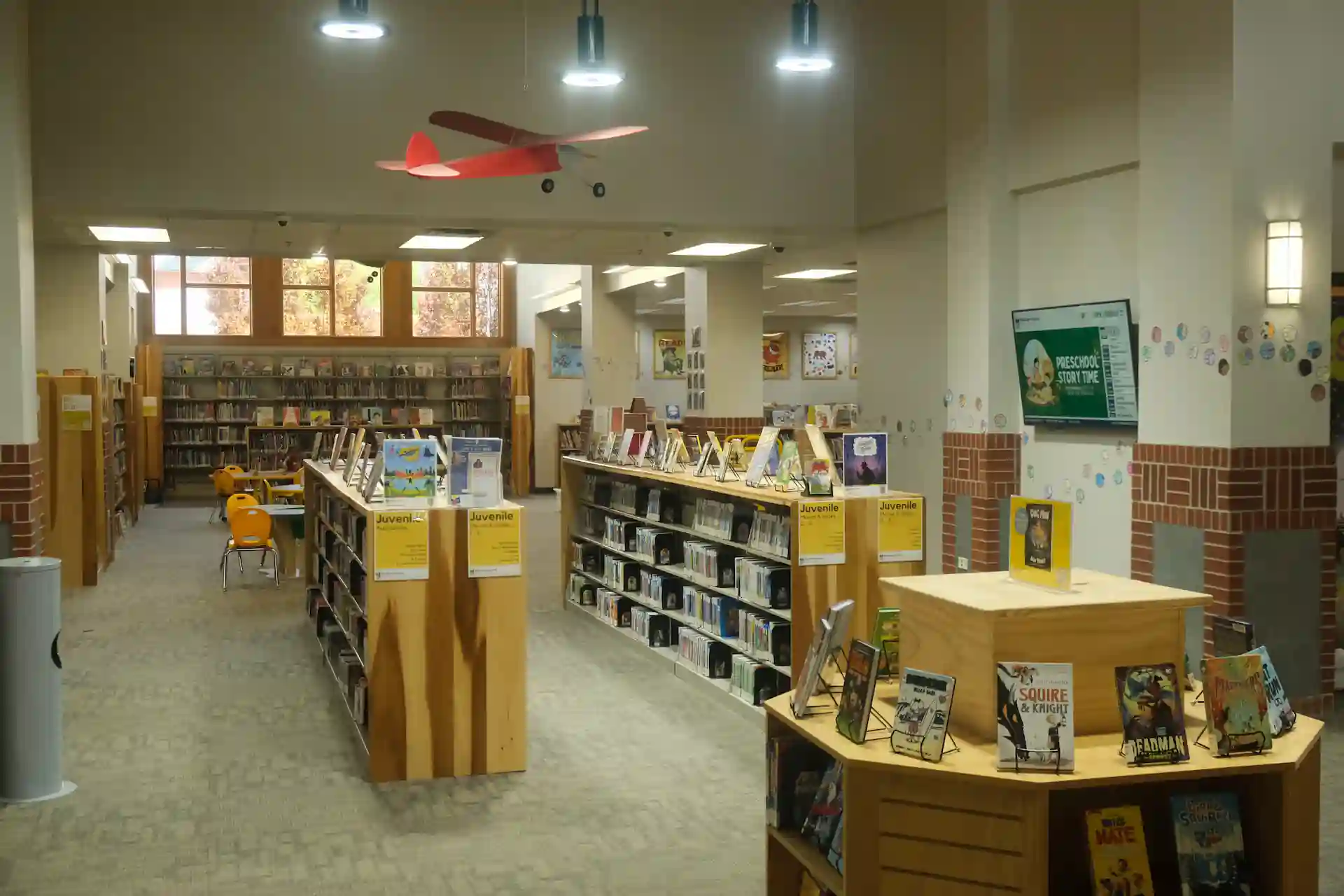
“Having the same company do all of this technology has been really helpful and allowed us to seamlessly add things, because customers and staff are already used to it. If it’s a fully-integrated solution, it just makes things so much easier. You’re not having to manage staff turmoil and train everyone on a whole new system every time you add something. Same as being able to take our bookmobile anywhere. Again, that consistency of product and consistency of service makes a huge difference; staff just put out the cloudCheck and it’s easy, it’s done.”
The library also works hard to close the aforementioned gap in adult education. In addition to finding innovative ways to make it easy for people to discover and borrow library books and materials, it partners with the Madison County Adult Education Center to offer free, robust adult education programs and GED classes “…for those who want to improve their reading, speaking, and written English language skills.”
“Adult ed is something I’m really passionate about,” Cornelison shares. “When you’re a kid, you have to go to school up to a certain age, but if you’re an adult, it’s a choice, and it can be very difficult. Our adult ed program is grant-funded by the state, and is excellent. There’s an adult literacy component to it, and we do GED testing here and in our Berea branch, and we have a mobile test site that goes to places around the county. As funding changed, the state turned it into a regional collaboration, and we’re not only the fiscal and collaborative agent for our program here in Madison County, we’re the fiscal agent for five other counties, as well.”
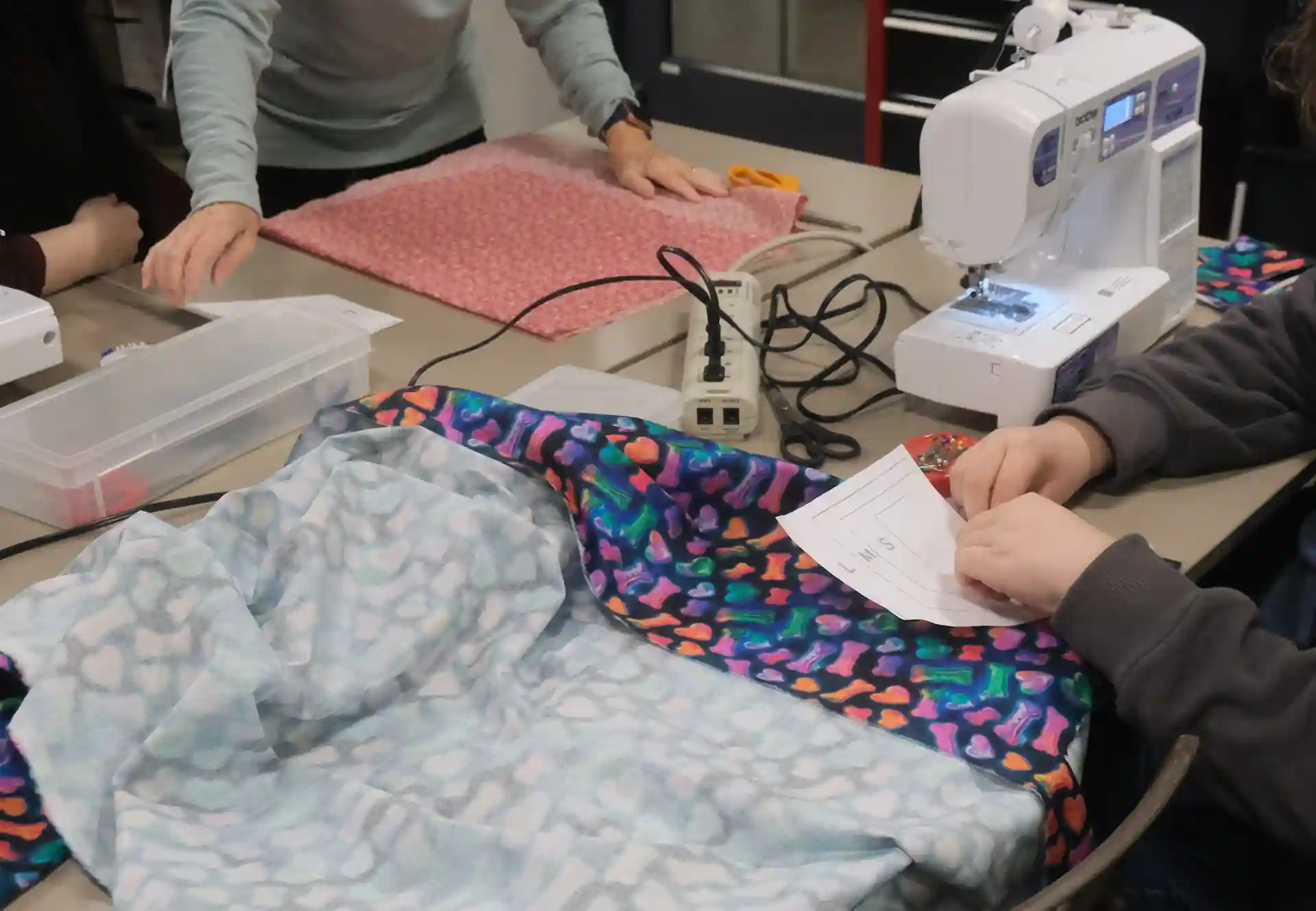
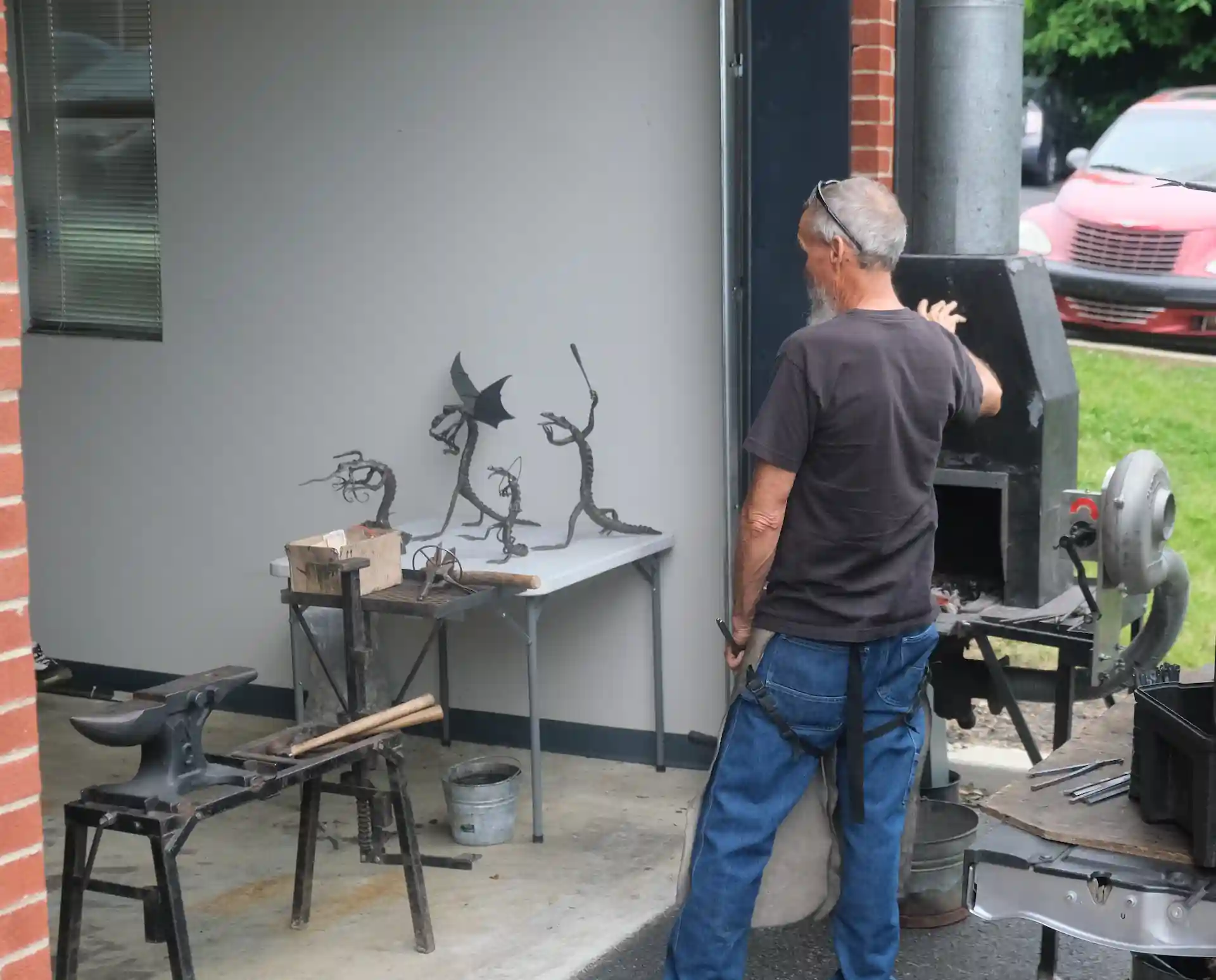
“I’m extremely proud of both our kindergarten-readiness program and our adult ed program,” she says. “I think that they contribute directly to the quality of life of the people involved, and overall to our county. In our adult ed program, they do a great job of the workforce development piece of it, too. That’s where I feel like our library really thrives, in our attention to literacy. We’re a library, we need to be about literacy, we need to be about books, we need to be about contributing to quality of life in that way, because I strongly believe that you can’t have great quality of life if you don’t have literacy. Literacy informs everything.”
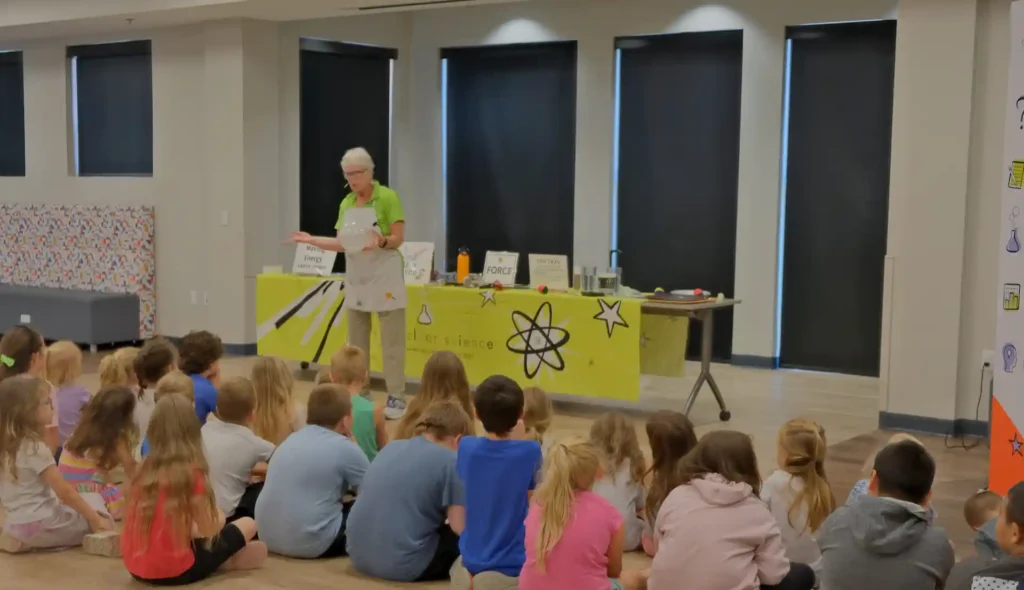
The role that public libraries play in determining the outcomes and trajectory of entire lifetimes and generations is especially close to Cornelison’s heart.
“My whole family is from here, and my great-grandfather couldn’t read or write. He was a successful farmer, but not being able to read or write informed how he raised his kids. He told them, ‘you’re going to learn how to read, you’re going to learn how to write.’ So, my grandfather went to EKU and became a teacher and a principal, and then his daughter and son, my mother and my uncle, both became teachers. My grandfather told me, ‘you’re going to get an education, you’re going to focus on your studies.’ He was always so proud that all of his grandchildren successfully completed at least a bachelor’s and a few of us have advanced degrees, and that his children and grandchildren are ensuring that literacy continues.”
Since implementing RFID and adding RFID-enabled technologies such as remoteLocker+ and cloudCheck tablet, along with lightning-fast selfChecks outfitted with uniFi+ to boost library program awareness and engagement, circulation has markedly increased. Within six months of transitioning to RFID, circulation of physical books grew 7%, and over the subsequent four years, total circulation of physical books has grown by a whopping 20%.
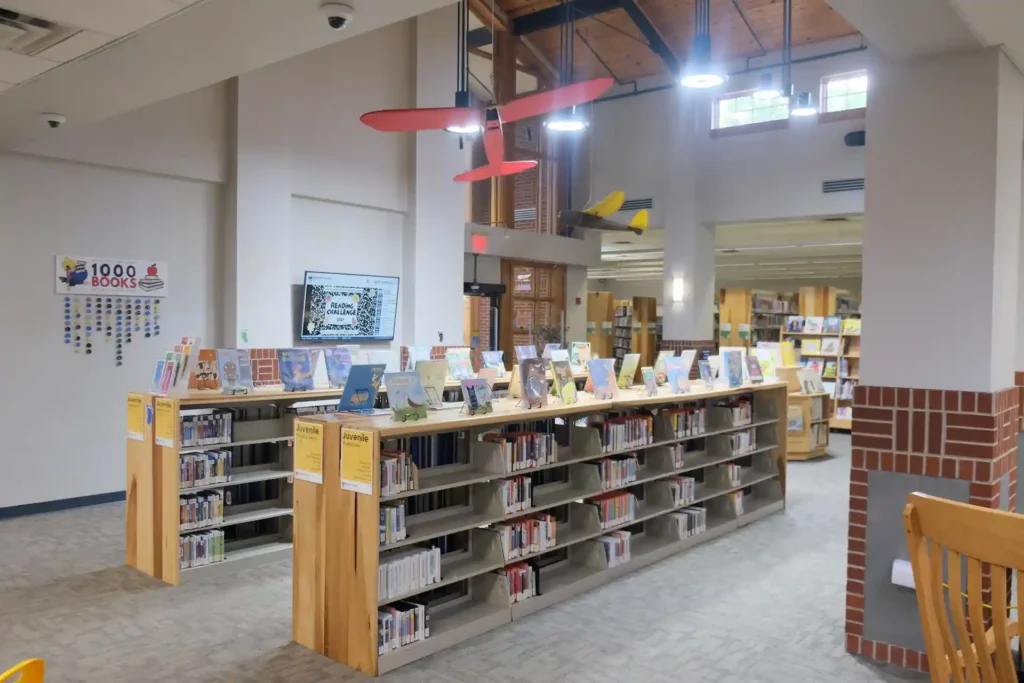
“One of the best things is how our circulation has grown,” Cornelison smiles. “I pulled some really good physical book circ numbers, because, again, we’re very much about books and reading and literacy here. The increase in physical book circulation alone is 20%. Over 4 years, that’s pretty great.”
Serving a community of 100,000 people across nearly 438-square miles with two branches and a limited budget is a feat that borders on herculean, but Cornelison has proven she is up to the task, and continues to find ways to put the library within easy reach for the community.
“RFID simplified things in a way that quickly allowed us to do that,” she explains. “It was the best way to expand our services, to give us the ability to be really flexible and reach all of the county in a cost-effective and more freeing way.”
Even so, Cornelison continues to look ahead. Without building new branches, she is considering how to expand the presence of the library in special locations around the county, and is exploring using open+ access to achieve that.
“Part of our strategic goals is to secure a location for Open Plus,” she says. “My outreach team is already working on it, so that the community has access to the full services and resources that you can only get inside an actual library. One thing that we instill in our leadership team is: we are never satisfied. We will always look for a way to do something better.”
The ever-growing Madison County community is lucky for it.
SHARE THIS STORY

You may also Like
Insights + Trends

Embedding Art into Library Architecture: Designing Spaces to Engage and Showcase Community Creativity
Discover how art and architecture transform libraries into vibrant, creative spaces that inspire connection, engagement, and community collaboration.

Customer Training: Hot Topics in quickConnect and System Manager
Learn how to personalize receipts, promote library events, add seasonal messages, and explore new patron preference settings.

AI for Librarians: Where to Start and 5 Real Use Cases
The skills behind a good reference interview are the same ones that make AI useful. A library director shows how, with five projects you can borrow.