


July 20, 2026

Challenge

Solution

Result
By Lisa Stamm, MLS
Sr. Solution Consultant · Master of Library Science
The skyline of Hong Kong Island, as seen from Victoria Harbour to its north, is as dazzling as it is famous, but turn around and the view is an equally entrancing spectacle of shining skyscrapers, verdant land, and a mountain famous for both its trails and trials to hikers. Cast your eye upon modern commercial architecture reflecting undulating cobalt waves, punctuated by the rust-red sails of an antique junk boat looking for all the world like prehistoric insect wings fluttering through time, and you’ll find yourself gazing at Kowloon, Hong Kong.
At water’s edge and inland from Victoria Harbour and Kowloon Bay, residents and tourists bustle between exquisitely manicured public parks with flamingoes stepping amongst sculptures, and crackling shopping markets emanating energy from morning until deep night. Taste buds alight upon savory and sweet concoctions prepared traditionally or with avant-garde flair. And a walk along the promenade yields captivating views in all directions, along with museums of art, science, and history for exploration.

Joining the ranks of the best in vibrant, engaging atmospheres to stimulate and saturate the mind and spirit is Hong Kong Metropolitan University (HKMU), located a few minutes north in the predominantly residential area of Ho Man Tin. With 21,000 students, over 80% of whom attend full-time, and growing global learning networks, the university embraces all cultural backgrounds and is known for academic excellence.
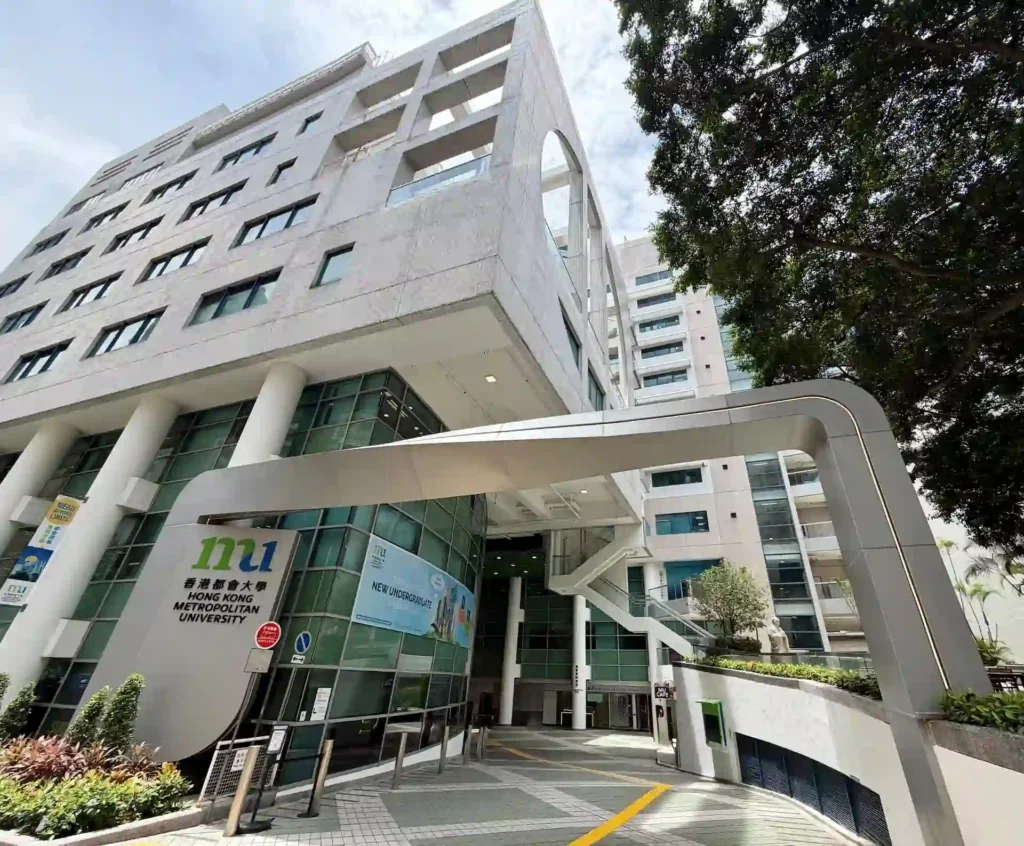
Opened in 1989 and now teaching more than 150 disciplines in eight schools between four campuses and two learning centers, HKMU has an international reputation for producing well-qualified graduates ready from the outset in their respective fields. The university prides itself on its currency and relevancy, with state-of-the-art facilities and a dedicated cadre of faculty and staff.
Correspondingly, the HKMU Library does extraordinary things that one may not normally associate with an academic Library, and that are to be envied. An educational and cultural hub, the Library operates in two locations on the primary campus: the Stanley Ho Library (main) and the Ho Sik Yee Library (branch), and is a crucial component in supporting the research, study, teaching, lifelong learning, and overall well-being of the entire HKMU body.
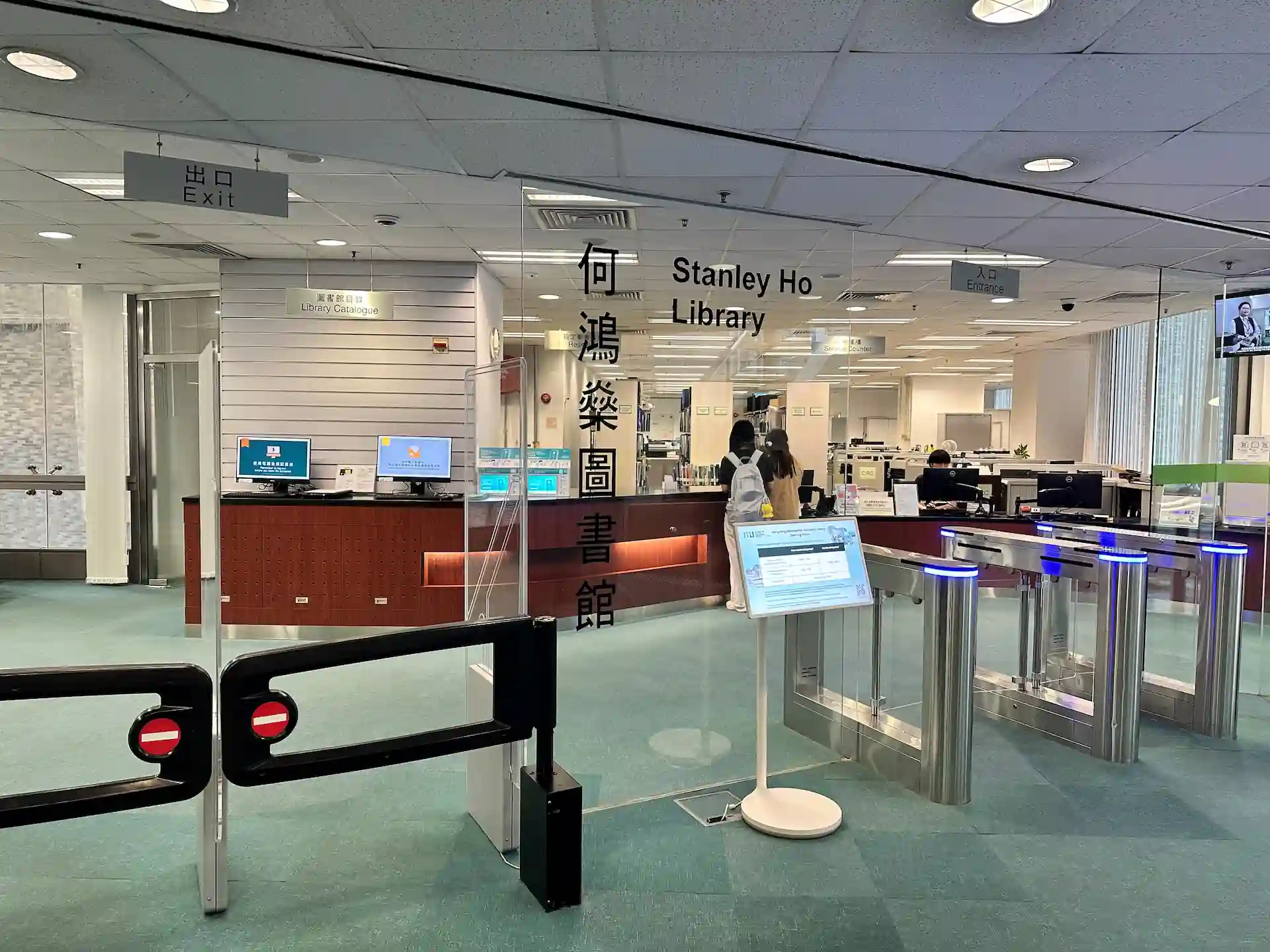
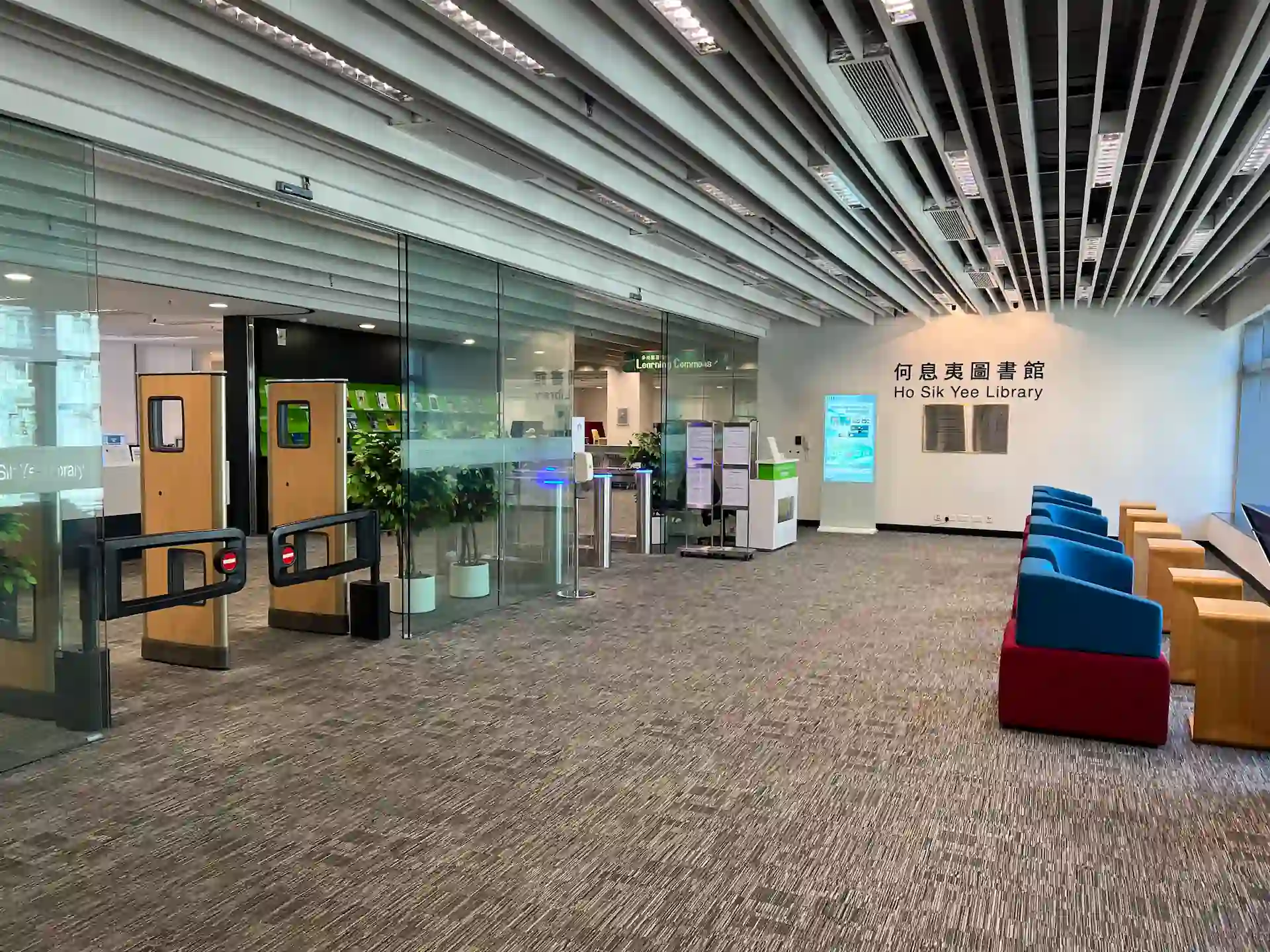
Mr. Owen Tam serves as University Librarian at HKMU and has been directing the Library for nearly eight years, joining the university after demonstrating successful leadership and scholarship in academic libraries for two decades.
“I joined Hong Kong Metropolitan University Library back in 2018,” Tam says, “and we’ve seen a lot of transformational changes since then. In the old days, the Library was viewed as a place just for studying, or for resource materials, but now, we have many different kinds of activities for our students and faculty, and we do outreach to welcome the local community.
He explains that the Library’s mission is to be the university’s “GLAM” Hub, an acronym for Gallery, Library, Archives, and Museum. “We’re not only functioning as the Library,” he says, “but we also manage the university’s archives and digital collections; we manage gallery exhibitions in collaboration with the schools; and we manage the recently established Museum of Modern Chinese Literature.”
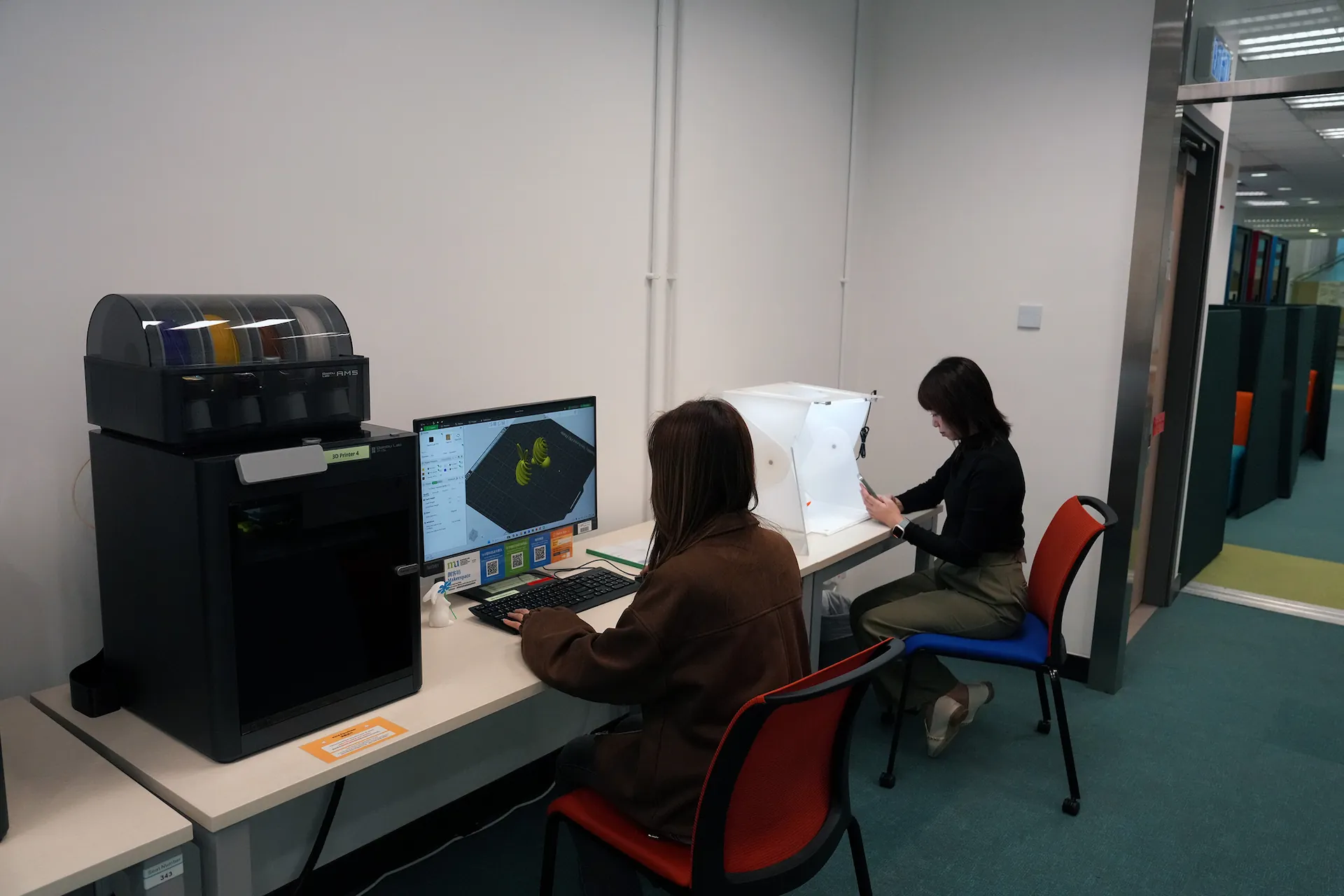
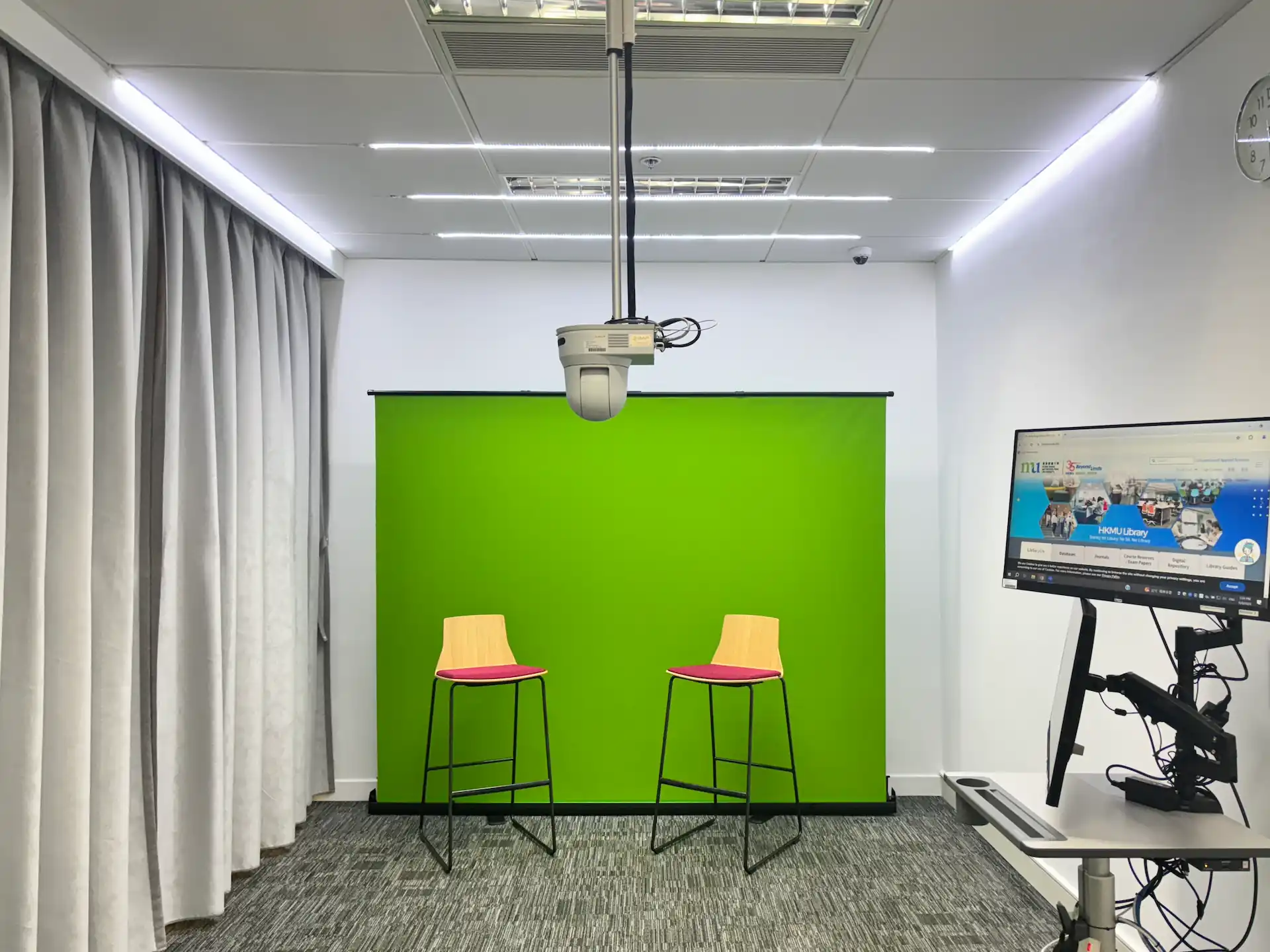
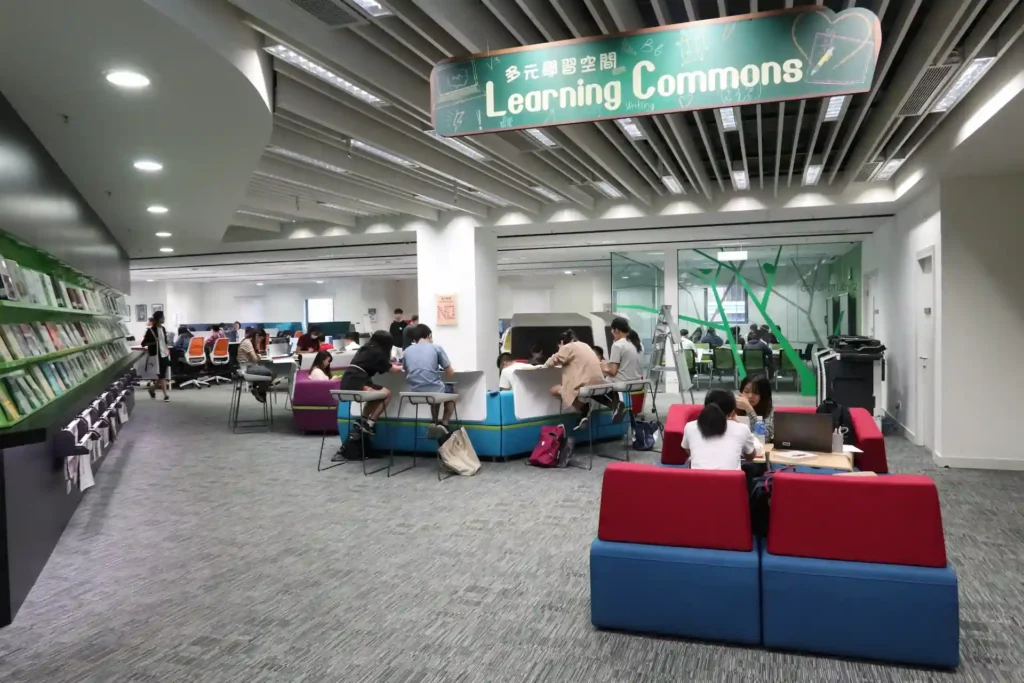
Both the Stanley Ho and the Ho Sik Yee libraries contain core facilities including learning commons, group study rooms, quiet study zones, and focus booths, but each offers distinct services, namely, the Makerspace@Library in the Stanley Ho Library and the DIY Studio in the Ho Sik Yee Library branch. While most academic libraries offer a makerspace, one significant difference at HKMU is that 3D printing is free for its students and staff. At the Ho Sik Yee branch, students use the DIY Studio in countless creative ways, as well as to record presentations in order to rehearse and improve before presenting live.
“I went to the graduation show of the art school students and saw that they had 3D models printed at their exhibition booth,” Tam shares, “and I asked, where did you print them? And they said, ‘oh, I used the Library 3D printing,’ and that really made me happy.”
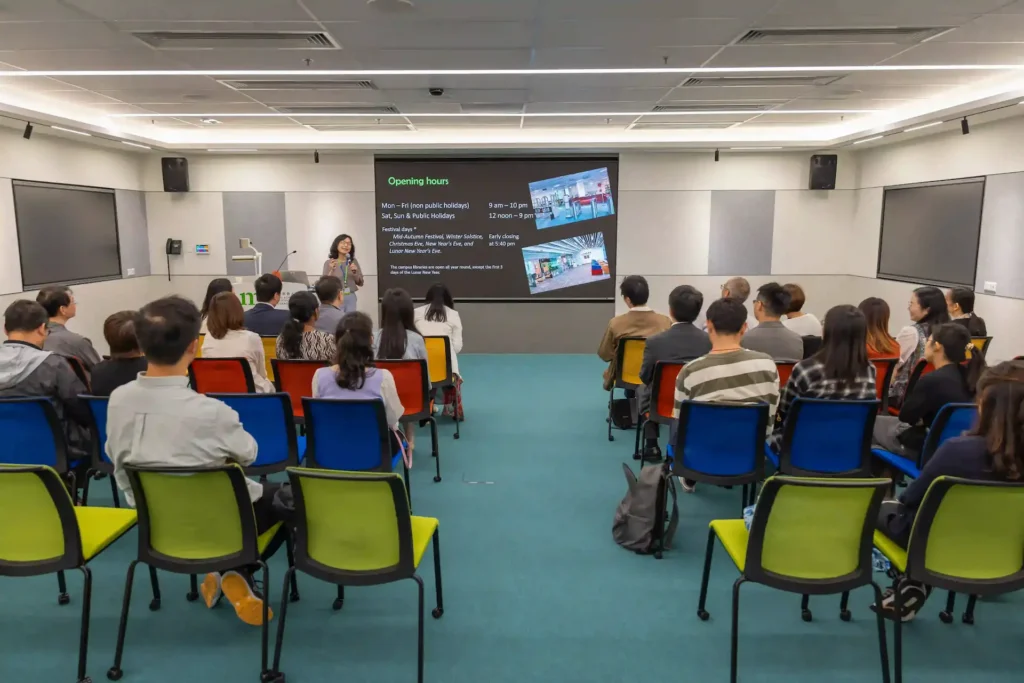
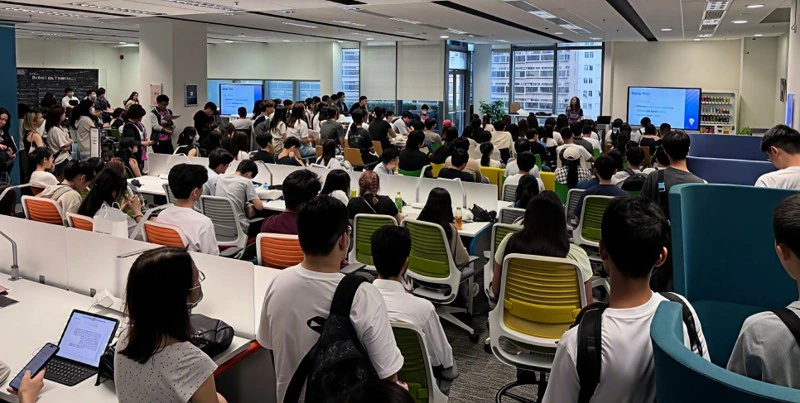
Enhancing its core support of student and faculty research, the Library provides an Active Learning Space (with moveable furniture to facilitate conversation and brainstorming) as a venue for Research Salons organized by the Research Office, and invites other departments and schools to participate in joint activities and various events, such as breakfast with the university president, organized by the Human Resources Office. Guest speakers are welcomed from around the world to conduct seminars, simulcasted online at the same time as they occur in the Library.
“We have an elaborate internationalization program, and we tap into that and invite people from different cultures and different countries to talk to our students,” says Tam. “We want to give our international students and our local students a good environment to understand the world more.”
The Library collection is of course essential to its robust services, and they follow a modern model with emphasis on digital materials. Tam credits HKMU’s roots as a distance learning university with emphasis on online access as the reason it was able to move effortlessly into a collection that is approximately 98% online. While this means that, in a collection of 7.6 million items, only around 200,000 are physical, Tam impressed the fact that user surveys and related communications with students and faculty affirm that “…print materials still play a very strong role in their daily teaching and learning. For certain subject areas, they prefer to use electronic resources, but the importance of physical items is still there.”
With so much of the collection available digitally, and so much of daily life taking place online, the Library takes its role to teach information literacy to students very seriously. “We teach them research skills and, especially nowadays, how to sift through the vast amount of content online” Tam says. “We also teach students how to identify content generated by AI, how to discern what is reliable and what is not, and how to use AI ethically. We do a lot of workshops and last year, we reached over 8,000 students.”
The Library offers over one-hundred workshops during the year, covering different topics. One reason the workshops are highly relatable to and popular with students is, they are done in collaboration with individual schools within the university “…we walk into the class, the teacher gives us forty-five minutes, and we make sure the workshop is relevant to their curriculum.”
Other Library-organized workshops, along with research consultations done by reference librarians, are conducted in-person while being broadcast online, and statistics show that virtual attendance is high. The Library also reciprocally shares materials with over 600 partner libraries worldwide, and this vast scope of resource-sharing, coupled with time zone differences, often means that requests for materials are fulfilled within the same day.
An advocate of the importance and impact of research done by its students and faculty, the Library features select creative projects, articles, books, and other works on monthly basis on its website and Instagram. In 2025, HKMU celebrated its 35th anniversary, and the Library saw an opportunity to display several hundred original academic and artistic works by students in “HKMU’s 35 Years of Excellence: Academic and Creative Achievements Exhibition.”
“We transformed the two campus libraries into a big gallery showcasing the scholarly outputs of our staff and students,” Tam explains. “All of the walls in the two libraries were used. University senior management were supportive and appreciative of the initiative and were visible at the opening. From the president to the provost, to all of the deans and directors, they came alongside the students.”
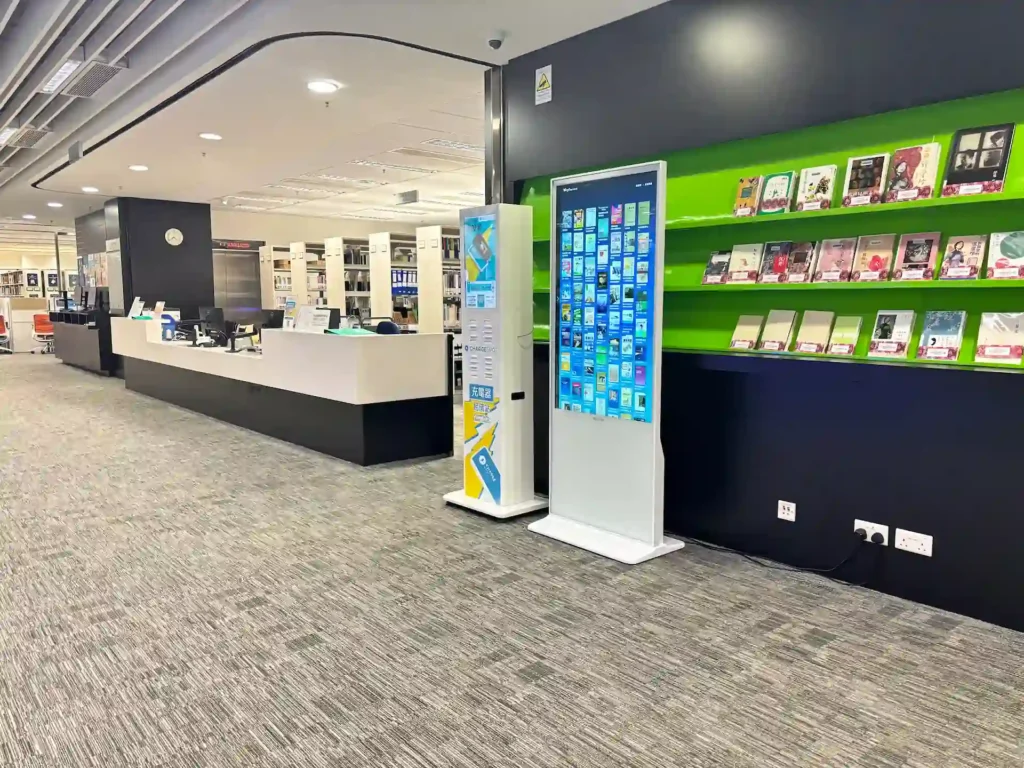
The displays were captivating and interest and engagement was so high, university leadership offered Tam an upgrade: they would furnish the Library with large LED screens to display future works digitally. With the new LED screens in place, the Library launched what is now the HKMU Scholars Gallery in the Stanley Ho Library. A long corridor formerly housing photocopiers and printers now contains a large LED multimedia wall on one side, with the other side reserved for high-quality posters saturated with the images of students’ final year projects. The Library changes the displays twice a year, with subject matter as broad as there are courses.
Supporting students doesn’t stop there; the Library also assiduously maintains the HKMU Student Works Repository. “Each school recommends outstanding works from their students, whether the works are multimedia productions, photographs, written works, final year projects, posters, theses, or anything else,” Tam says proudly. “We put them in the digital repository and showcase them to the world. It’s also a good opportunity for students, when they interview for a job or an internship, or enter a competition, to be able to refer to their work in the repository. It boosts the confidence of our students.”
Of significance in the repository is the Eileen Chang, Stephen Soong, and Mae Fong Soong Collection, the first collection of and inspiration for the HKMU Museum of Modern Chinese Literature, located inside of the Stanley Ho Library. An ode to Chinese cultural heritage alongside modern Chinese literature, research, and preservation, the museum is open to the public and offers free guided tours, and has garnered over 3,000 visits since opening a few months ago.
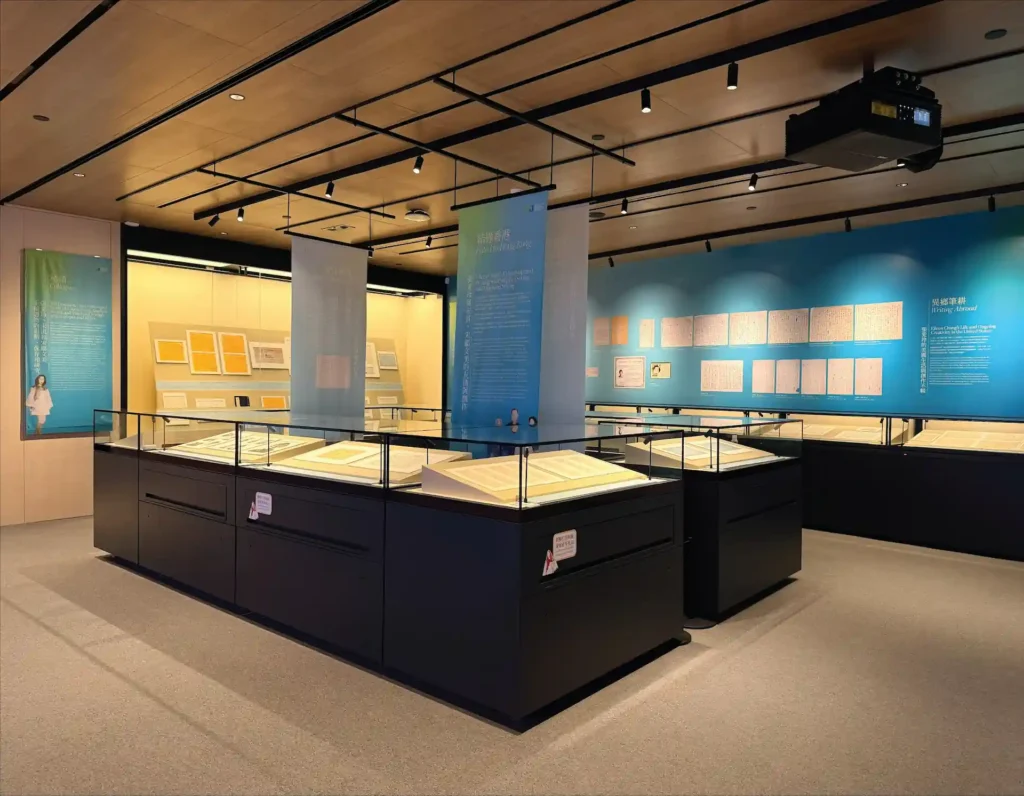
“This is a really big plus for the university,” Tam shares, “because Eileen Chang is recognized as one of the most important Chinese writers in the 20th century. She had a very good friendship with Stephen Soong and Mei Feng Soong, a couple that helped her a lot with her publishing and her career, even after she moved overseas to the United States.”
“Dr. Roland Soong, Stephen and Mei’s son, donated all of the letters that Eileen shared with his parents—their friendship spanning over 40 years, noted by 700 letters exchanged between them, in 600,000 words. Imagine having that many letters with our close friends and family members? It’s truly remarkable. We took these very precious resources and created the Museum of Modern Chinese Literature, adding the museum element to the GLAM Hub concept.”
Not only does the museum display letters, manuscripts, and even furniture from the Soong home, the Library and university saw a chance to infuse technology as a way to bring all of it to life for visitors. “Our faculty from creative media went into the real living room of the home and made a 3D scan, to recreate it virtually in the museum, together with some of the real furniture. And the photos, obviously, were black and white still photos, but our students, working with their teachers, used what they learned in creative media to add color, and used AI to make the pictures move, turning them into movies.”
The Ho Sik Yee Library branch is just as popular a landing spot for ingenious displays and enticing outreach that students and the larger community outside of HKMU cannot resist. “HKMU has a strong Cantonese opera research center in the School of the Arts and Social Sciences, and together with the Library signed a memorandum of understanding with a prominent Cantonese opera association to collaborate on research and showcase Cantonese opera culture and activities,” Tam explains. “and we have a Cantonese Opera Costume Exhibition of some of the most influential artists in the Cantonese opera world.”
Physical and mental health is also important, so the Library collaborates with the Student Affairs Office to organize different activities, such as yoga classes in the Library, singing bowl sessions, and Chinese herbal sessions complete with cats milling about.
Therapy dogs boasting temporary staff cards and certificates of appreciation also visit, to help students relieve stress during examinations. “Every year, they come twice during the exam period and interact with students. The feedback from students is that it really helps them, and one student even said, ‘I think I got a good mark after interacting with them.’”
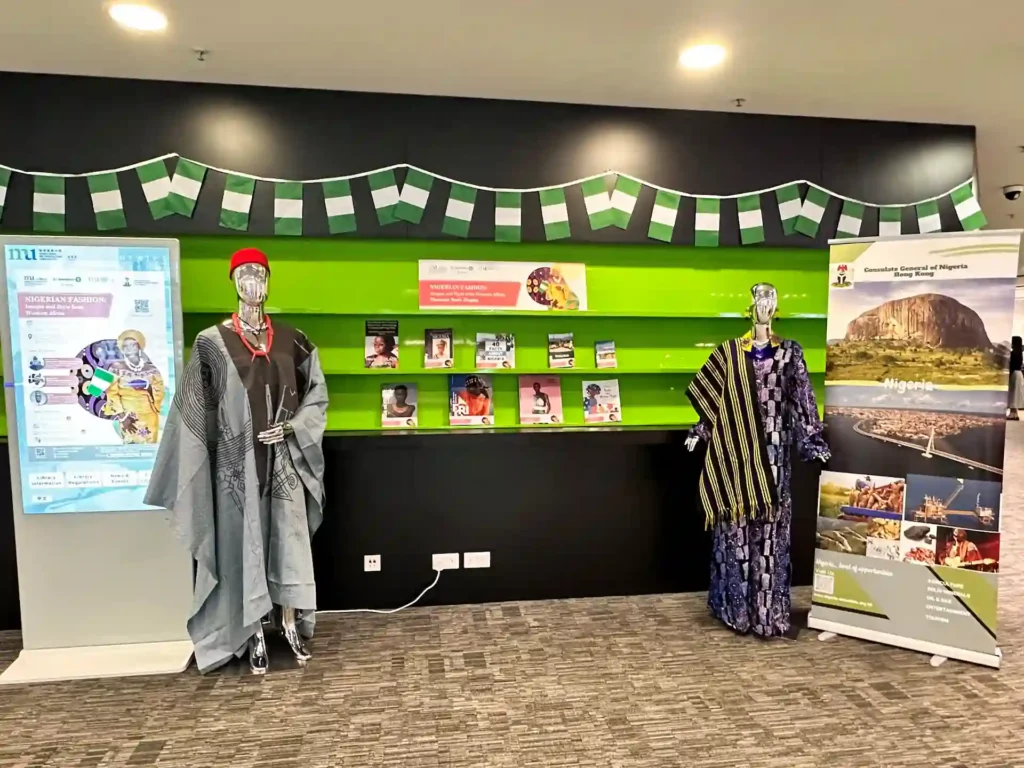
Students have been treated to a fashion show of Nigerian costumes that they could try on, plus African drumming and food-tasting in the Library lobby. A local chess master is a graduate of HKMU, so the Library collaborated with the Development and Alumni Affairs Office to invite him to play chess with students; as it happened, he played separate games with several students at once.
All of which is quite popular with students, and the Library broadcasts events on Instagram so that “…even if you are on a ferry, coming to town for class, you can participate.”
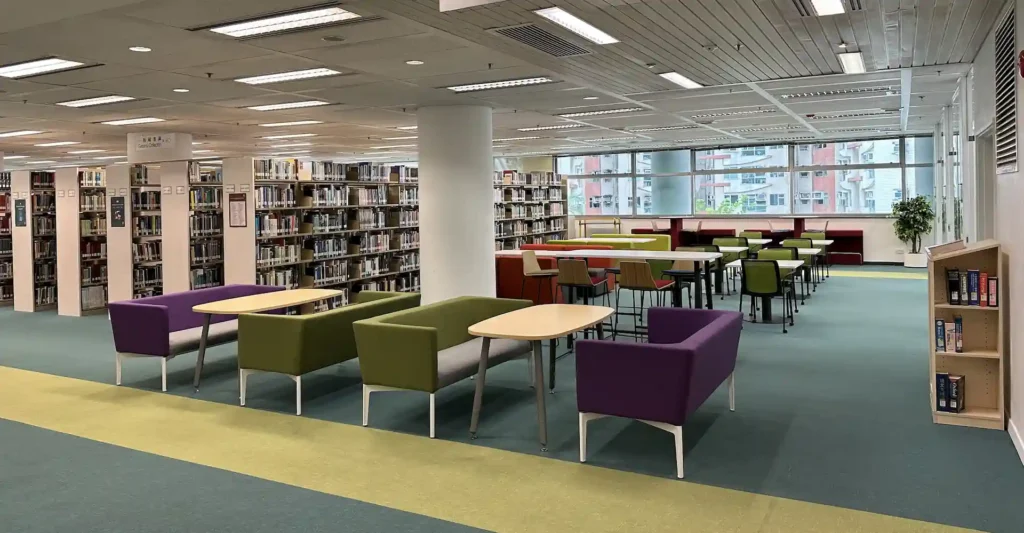
HKMU Library regularly surveys students and staff, and each time receives higher numbers of respondents, now reaching into the thousands. Satisfaction levels are positive and trend upward over successive survey cycles, with users reporting high satisfaction with recent enhancements to Library spaces, such as the addition of individual and collaborative workspaces, and improvements to circulation services.
Excellent circulation services hinge on intuitive, cutting-edge, reliable technology that allows libraries to meet users where they are, empowering them while creating more time for meaningful interactions with library staff. To that effect, HKMU Library has been a longtime user of Bibliotheca technology, dating back to its 3M origins.
“When our library was established,” Tam says, “like most libraries in Hong Kong, we used the Tattle-Tape solution, and while it was effective, with RFID there are a lot of new, more effective, more efficient possibilities, so we decided to migrate our whole collection to RFID.”
Tam and his team wanted functionality that only RFID could provide, such as the ability to conduct fast inventory sweeps with a DLA inventoryWand, but they primarily wanted students to be able to use the new selfCheck 3000s to borrow entire stacks of items in one fell swoop. They placed great importance on eradicating the time-consuming, physical burden of scanning items one-by-one, exchanging that for a rapid, accurate, easy experience for all users through RFID.
“We all know that RFID is a lot more efficient, but the one single, determining factor is, with new technology and RFID, we can do mobile self-checkout for our students. That’s the factor that encouraged us to migrate faster,” Tam shares. “Do inventory, yes, but you only do inventory once or twice a year, and it’s for library operation; the users cannot see the benefit. But with cloudCheck mobile, users can see and feel the impact: it’s a lot faster and more accurate, and the impact of mobile self-checkout is even stronger. That prompted us to talk to the Bibliotheca team; we told them that we must have this mobile self-checkout.”
HKMU Library was sensitive to the fact that some students might prefer to use the camera feature of their mobile device to scan items for checkout, instead of using Near Field Communication (NFC).
“When we talked about cloudCheck mobile,” says Tam, “we said, ‘okay, you have the phone NFC solution, but what if people do not want to use NFC, or what if their phone does not work well with NFC, what do you do?’ We knew that Bibliotheca also had a camera scanning function, so we requested to have cloudCheck mobile built as a hybrid so that all people can benefit, no matter whether they use NFC or camera scanning, and we wanted it to be accurate and secure.”
The Bibliotheca team worked closely with the HKMU Library team to develop both NFC and camera scanning options for students using cloudCheck mobile. Bibliotheca further customized cloudCheck mobile by incorporating the HKMU logo and colors, branding it so that students would immediately recognize the app as part of a familiar environment.
Bibliotheca also tailored the app to best fit students’ needs and support library staff by building and implementing a whitelist solution to fully integrate with the ILS (in this case, ExLibris Alma) and its available webhooks, to ensure that items borrowed through cloudCheck mobile do not trigger alarms on the library’s RFID ultra security gates.
Single Sign-On (SSO), another special feature requested by Tam and his library team, ensures that students using cloudCheck mobile do not have to repeatedly log-in, shaving even more time from the already-quick self-service process. Finally, adding the capability of dual receipts means that the Library may choose to allow users to receive an email receipt from cloudCheck mobile or directly from ExLibris Alma.
“We spent a lot of time listening to HKMU Library to understand what they wanted the user experience to be for students,” says Delaney Levey, Chief Product Officer for Bibliotheca, “while also making sure that the solution was secure before successfully launching it across the university.”
Tam confirms the joint effort. “Literally, our system team, our circulation team—the entire Library team—worked with Bibliotheca’s technical development team. We’re really happy about how responsive the Bibliotheca team was to our requests, and to developing the solution diligently at every stage. We also know that Bibliotheca is worldwide and we really appreciate that, even with a large-scale company, we made a successful collaboration across time zones and geography. And because we are familiar with Bibliotheca products, that also gave us confidence.”
All of the upgrades instituted as a result of converting to RFID are working seamlessly and have enhanced the ability of Library staff to serve and engage with students, faculty, and visitors. HKMU Library is the definition of scholarship, modernity, and history blended through cross-collaboration, technology, and human engagement, all working in tandem to bring life-changing experiences to its community.
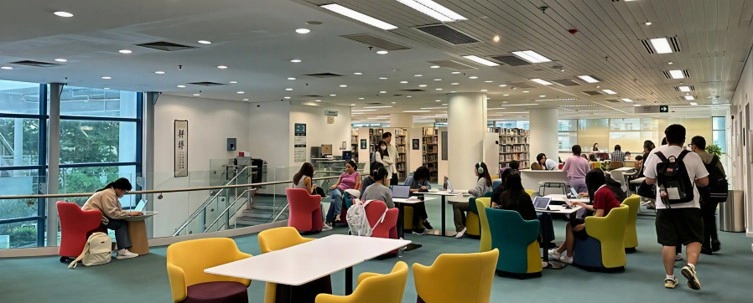
“It’s a cultural activity hub for the university,” Tam smiles, “and we emphasize participation and collaboration. We can see that a library on its own can only do so much, but if you collaborate with other parties, you can make the impact a lot deeper and wider. For academic libraries, the possibility nowadays is more than ever. Some people may say, ‘oh, libraries are only for quiet reading, or to borrow books.’ But actually, in modern universities there is a need for different kinds of services, to be a cultural hub, with outreach and activities. There is a need, it’s just a matter of who is meeting it.”
“Librarians, as we know, are always pioneering things. The possibilities are a lot more than before, not the other way around. We are not a sunset industry; the opportunity is there. That’s the message I want to pass on: that there are boundless opportunities for libraries and librarians to provide for our students, faculty, communities, and stakeholders.”
Spread the Word

You may also Like
Insights + Trends
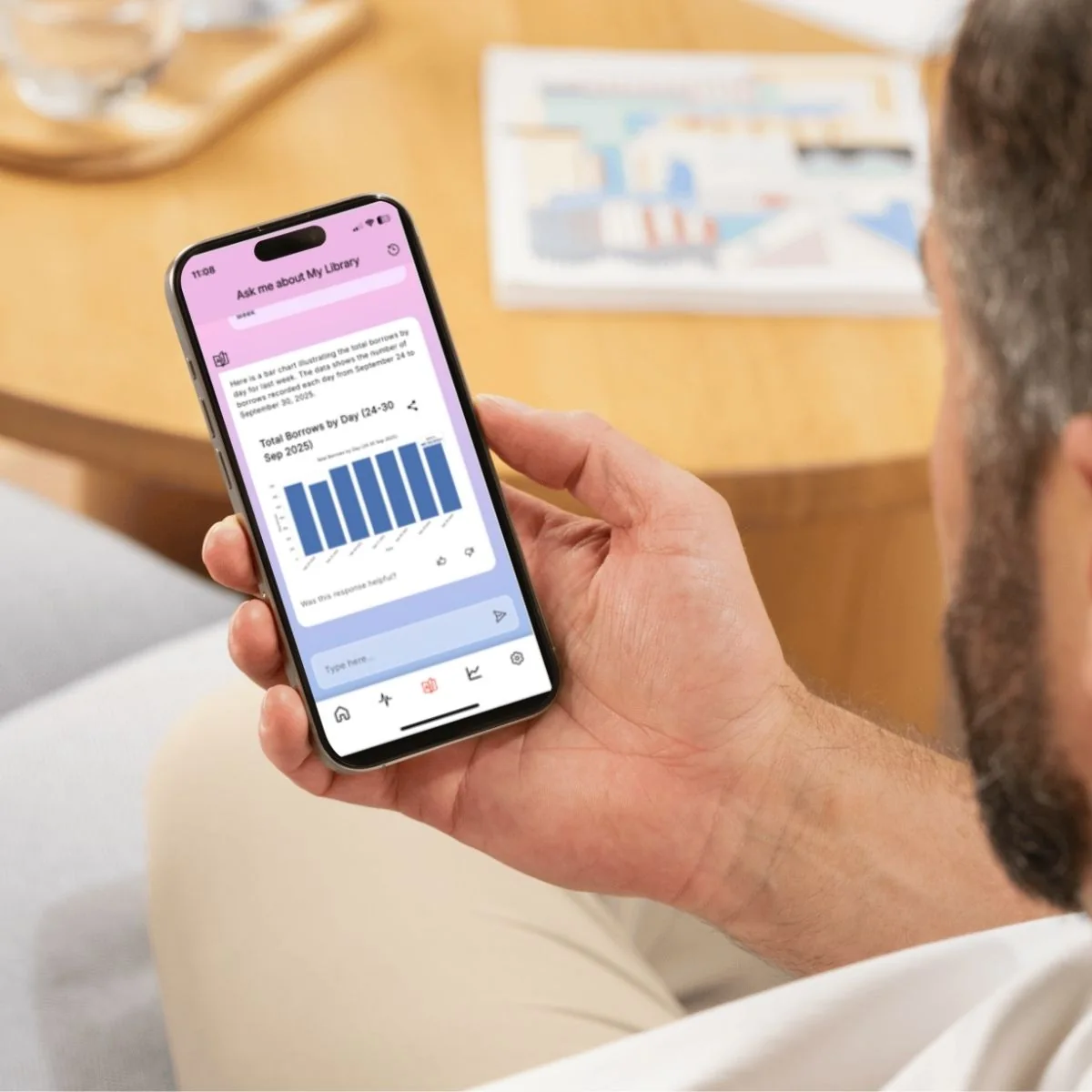
libraryConnect LINK: Managing Devices, Data and Support in One Place
See how libraryConnect LINK gives library teams a clearer way to monitor equipment, manage changes, troubleshoot issues, and use operational data.
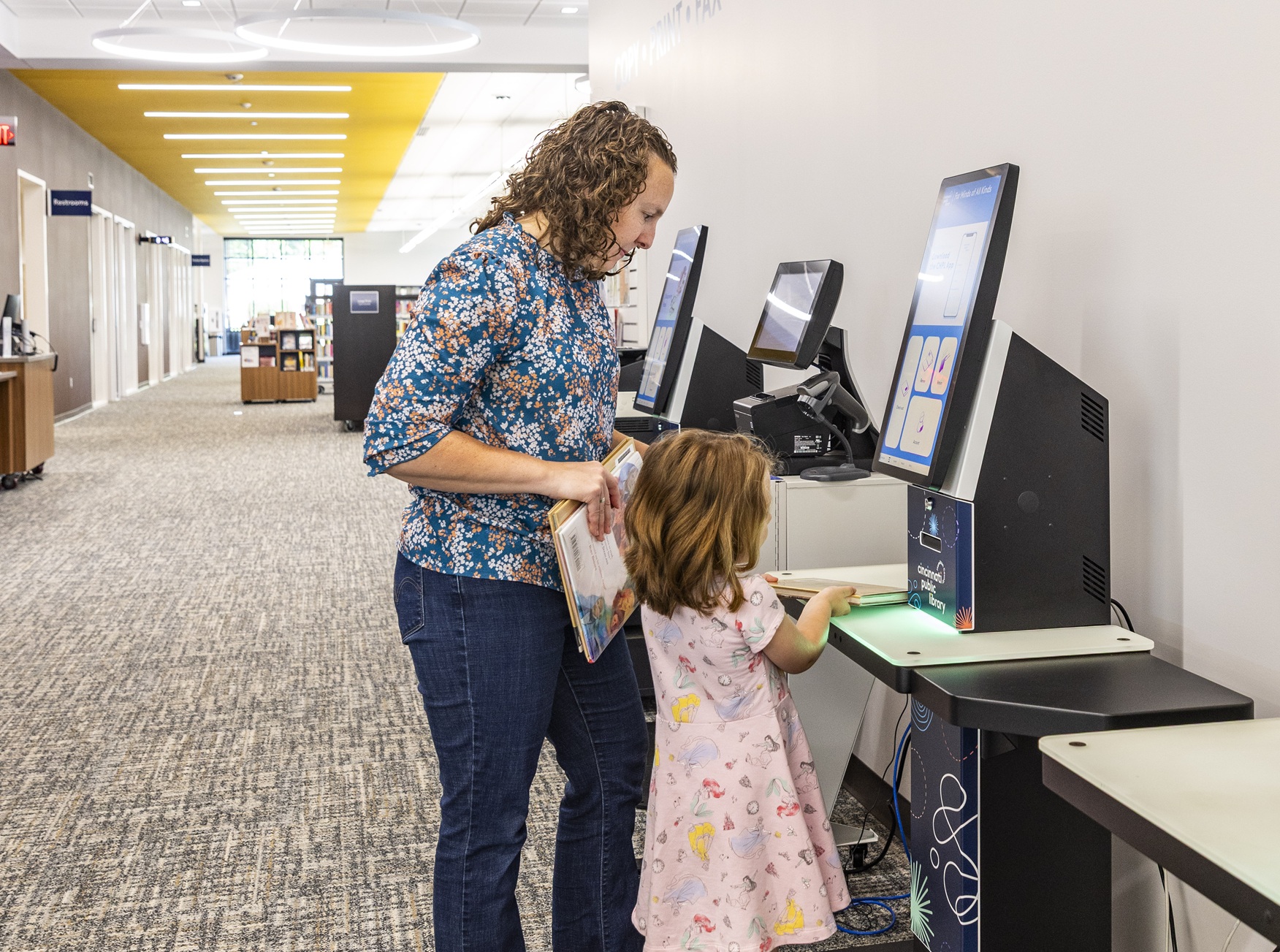
RFID in Libraries: What It Is and What It Changes
Learn what RFID tags contain, what it takes to convert a collection, and what libraries should consider for checkout, security, and inventory.
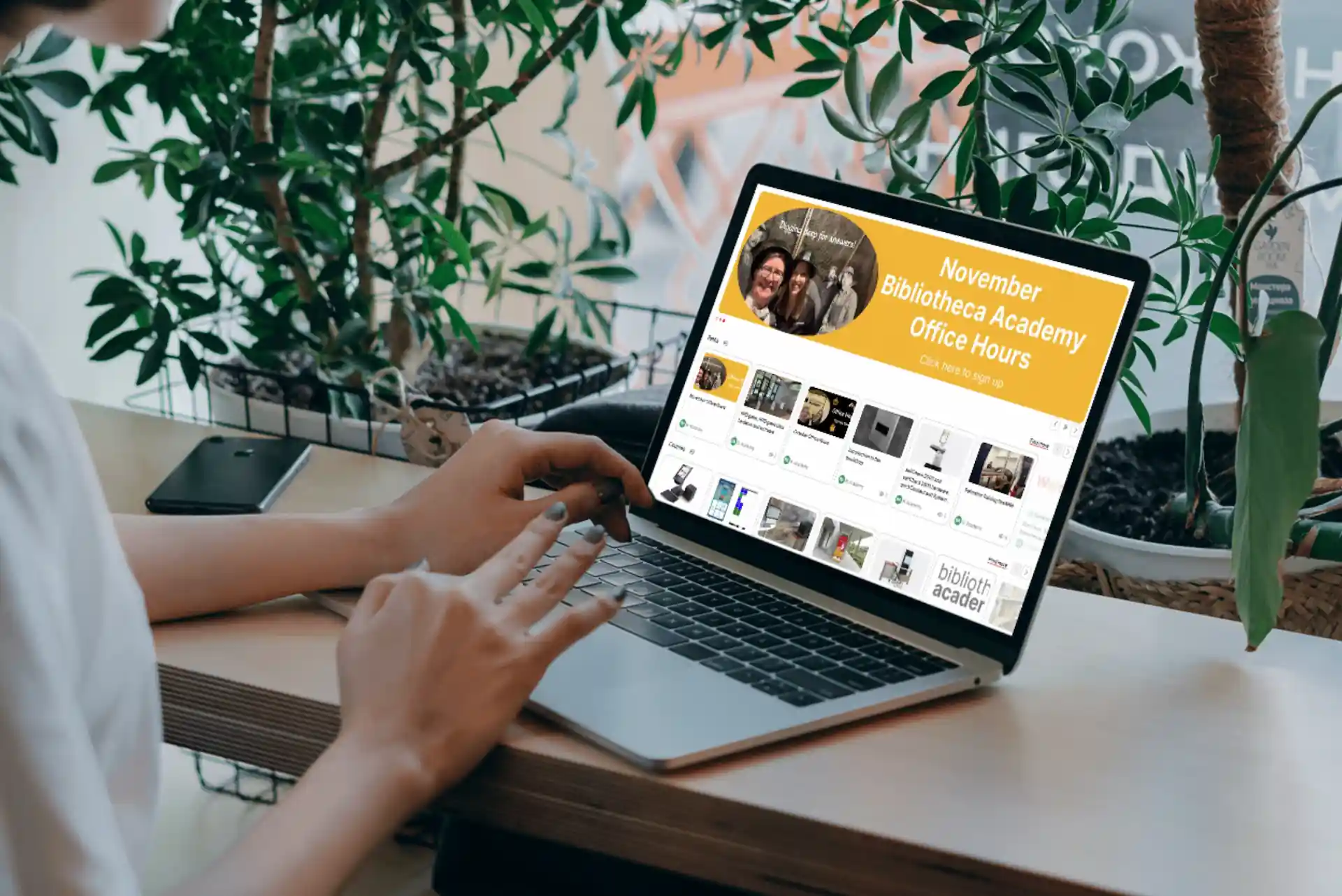
Customer Training | Bibliotheca Academy: Unlocking the Full Potential of your Bibliotheca Products
Discover Bibliotheca Academy, our new Learning Management System designed to help library teams access training, build product knowledge, and get more from their Bibliotheca solutions.