

By Vinicius Flores, PhD
Marketing Communications Manager · PhD in Communication
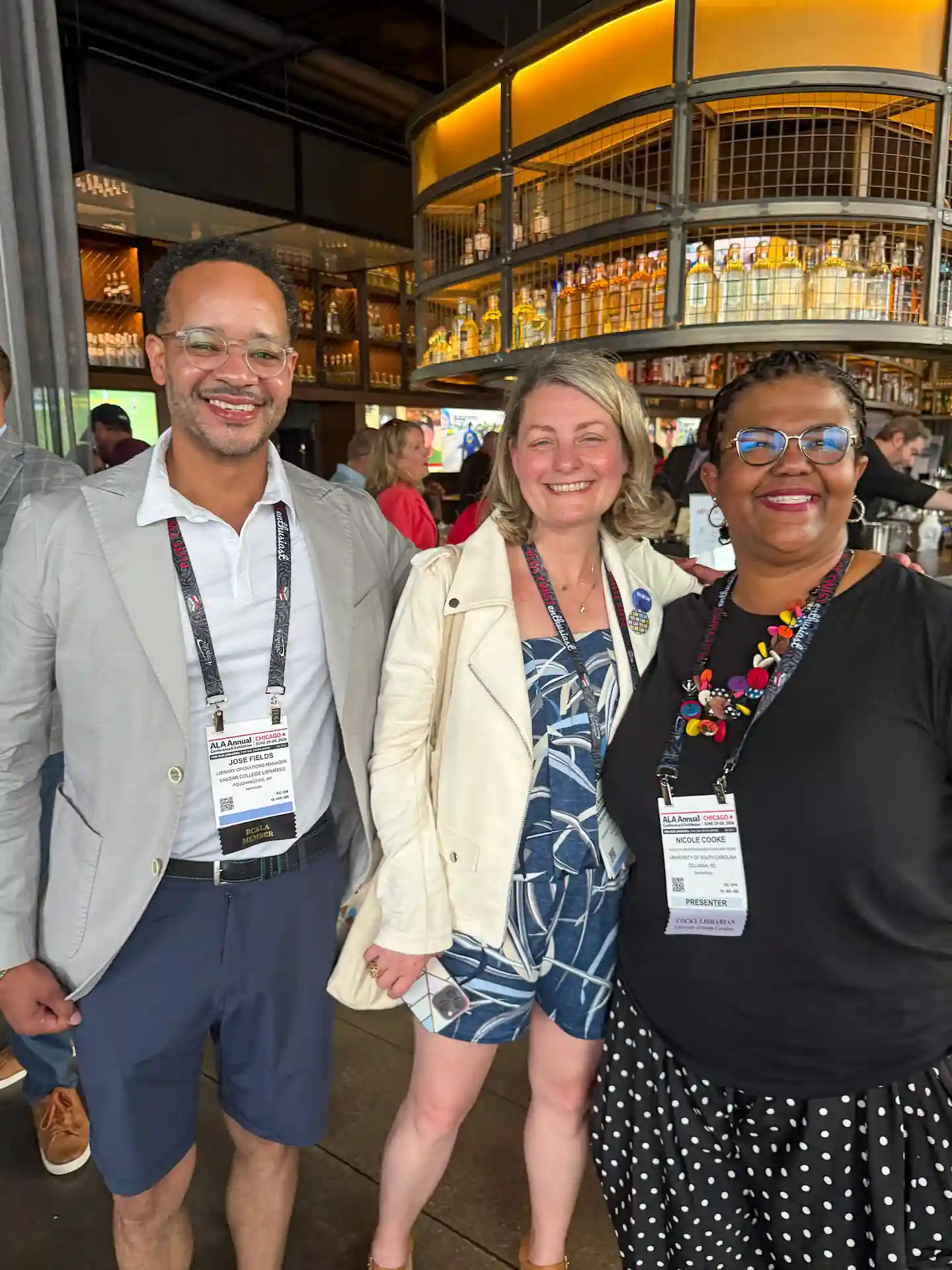
The 2026 American Library Association Annual Conference & Exhibition brought more than 9,200 library professionals to McCormick Place in Chicago from June 26 to 29, during ALA’s 150th anniversary year.
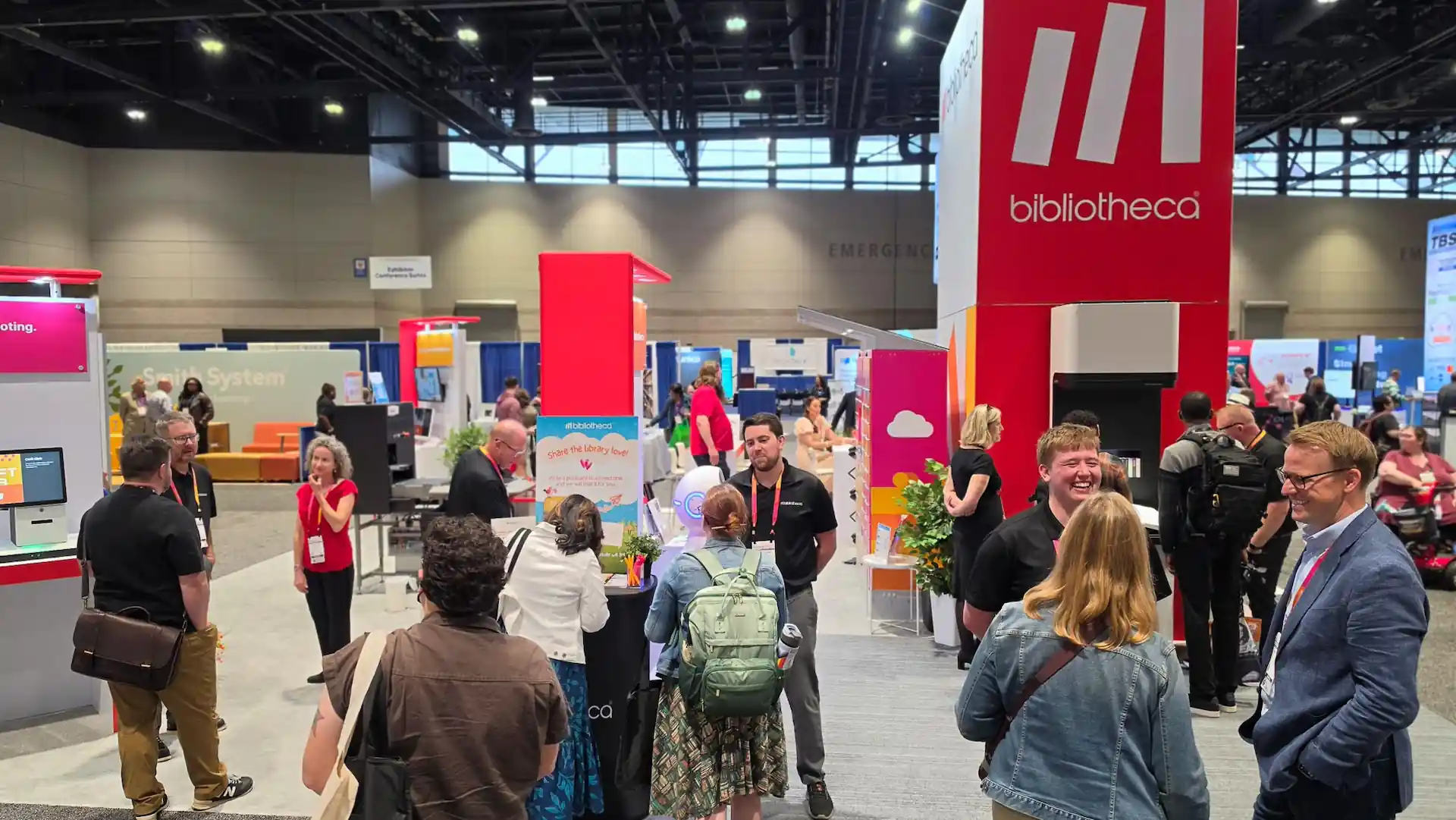
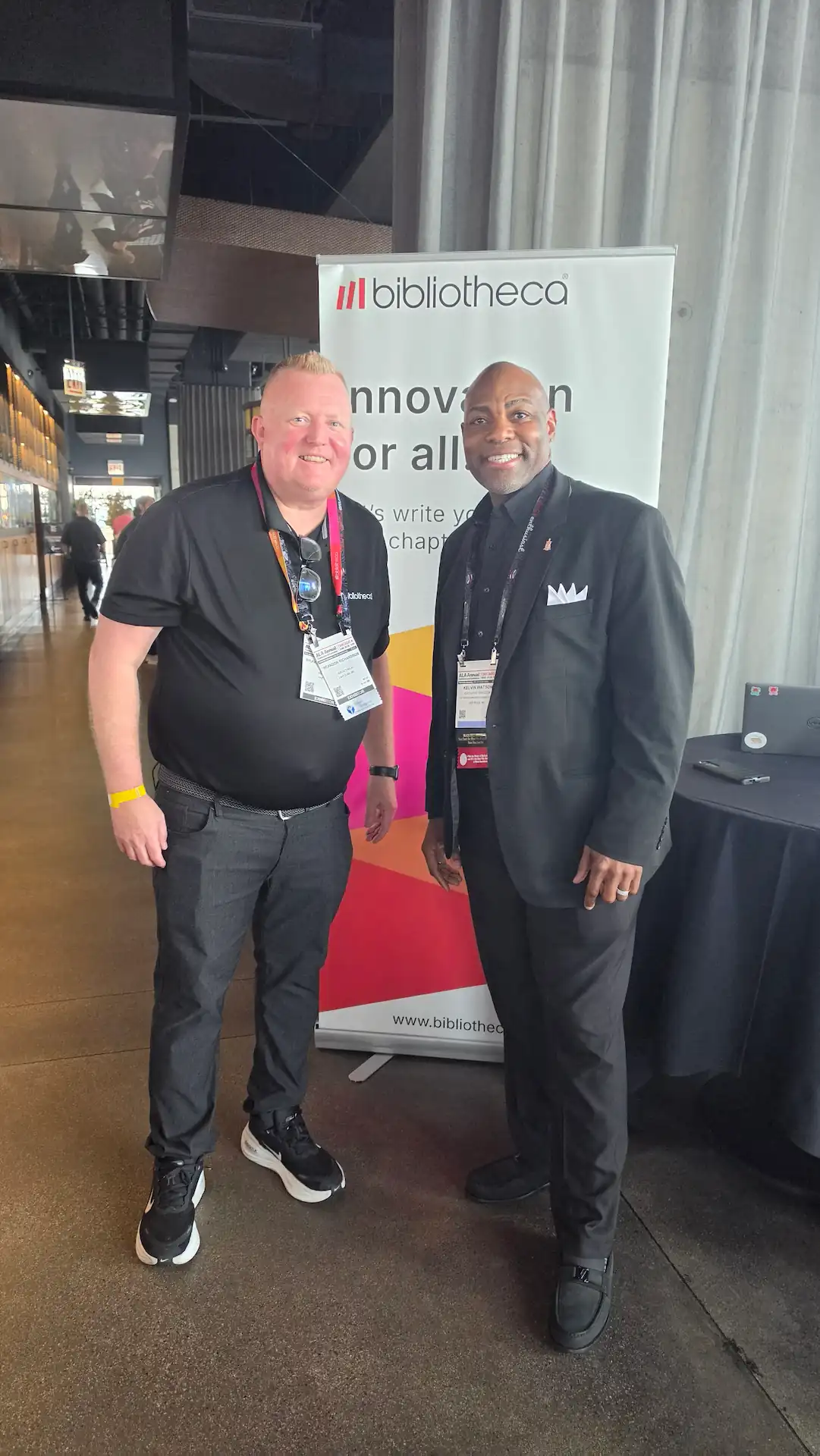
Bibliotheca spent four days showing new technology, hosting sessions, and talking with libraries about the challenges shaping their work. Across those conversations, one subject came up again and again: how to make library services easier to access, both inside and beyond the building.
Bringing library services closer to patrons
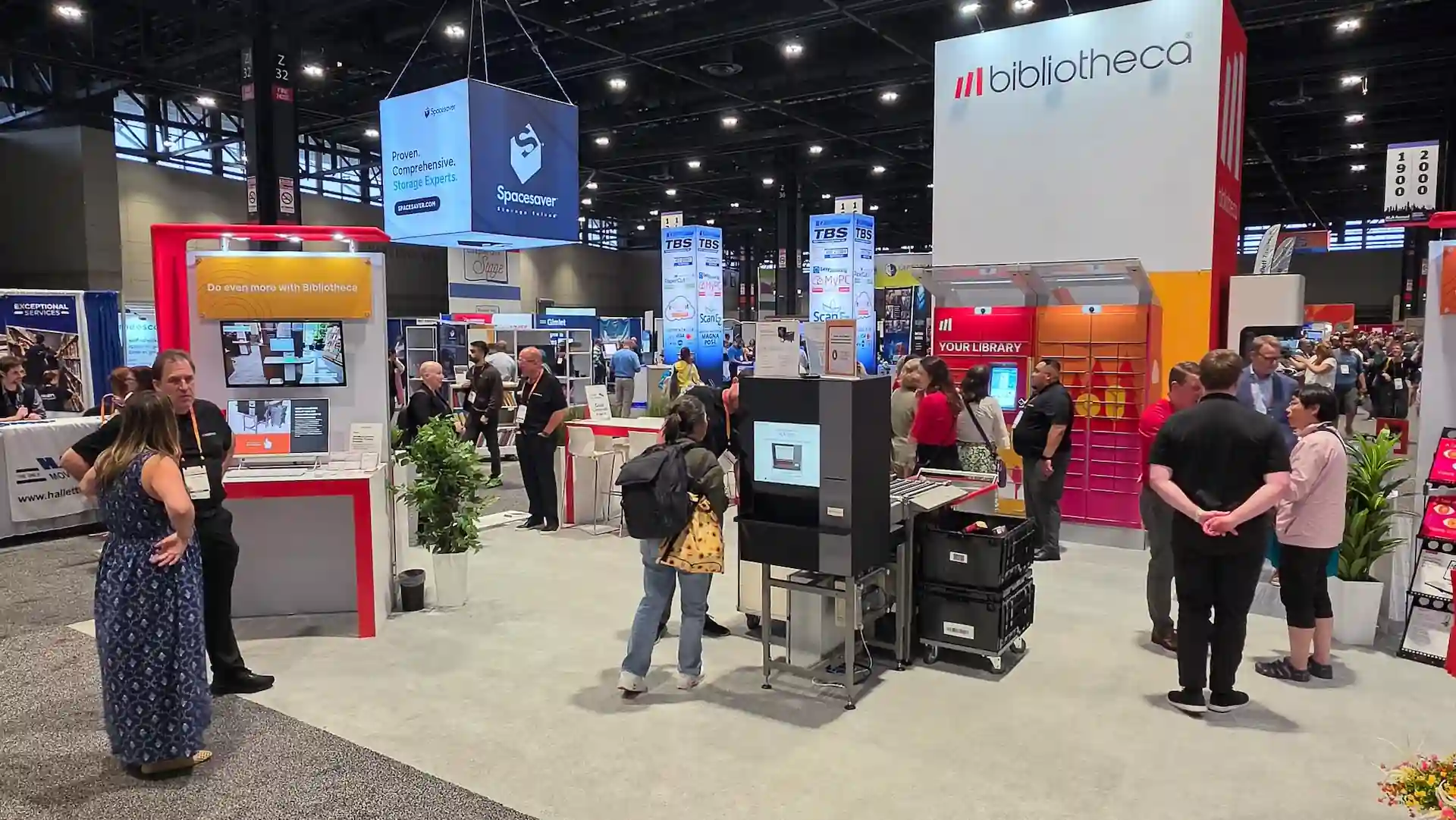
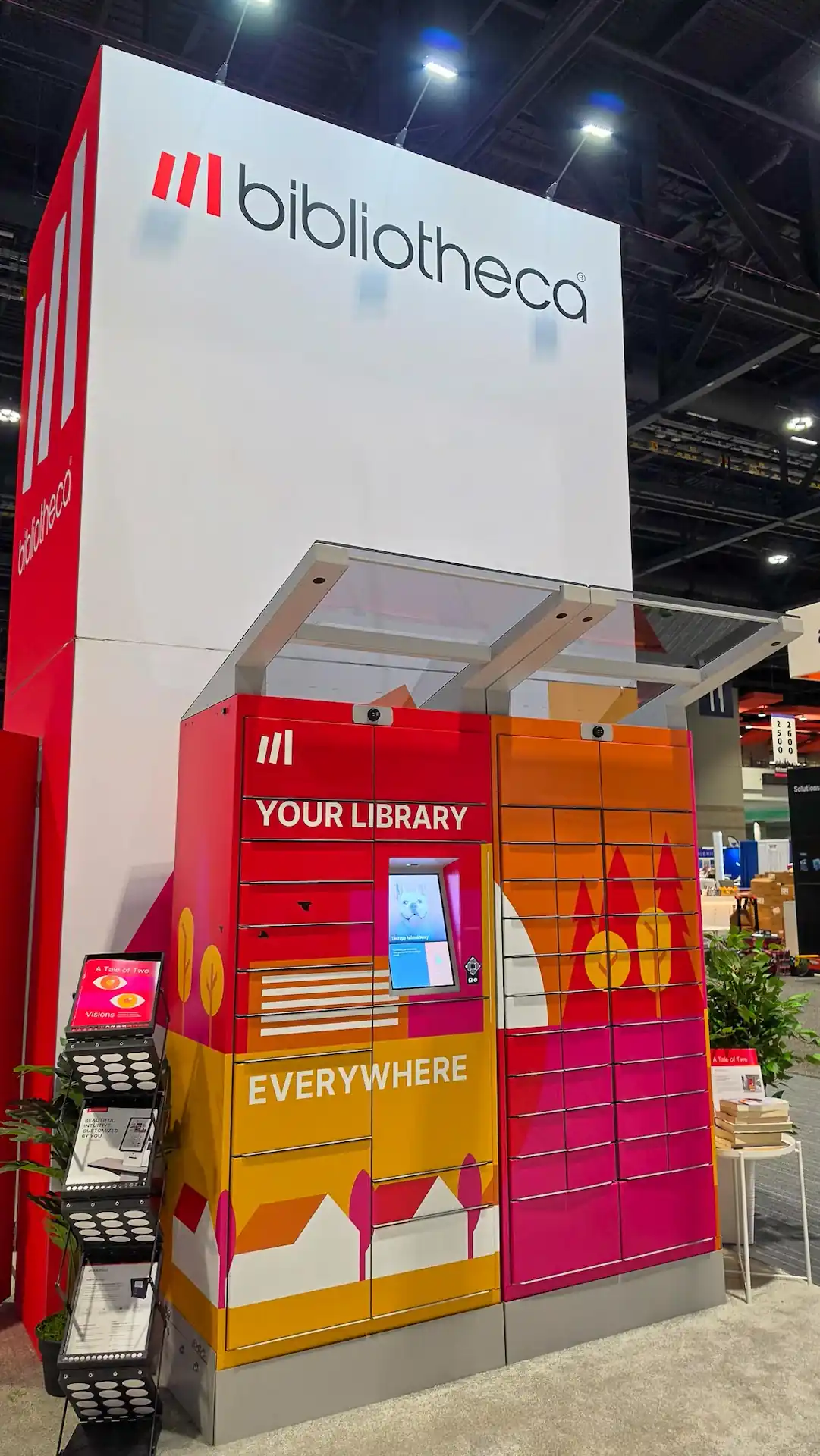
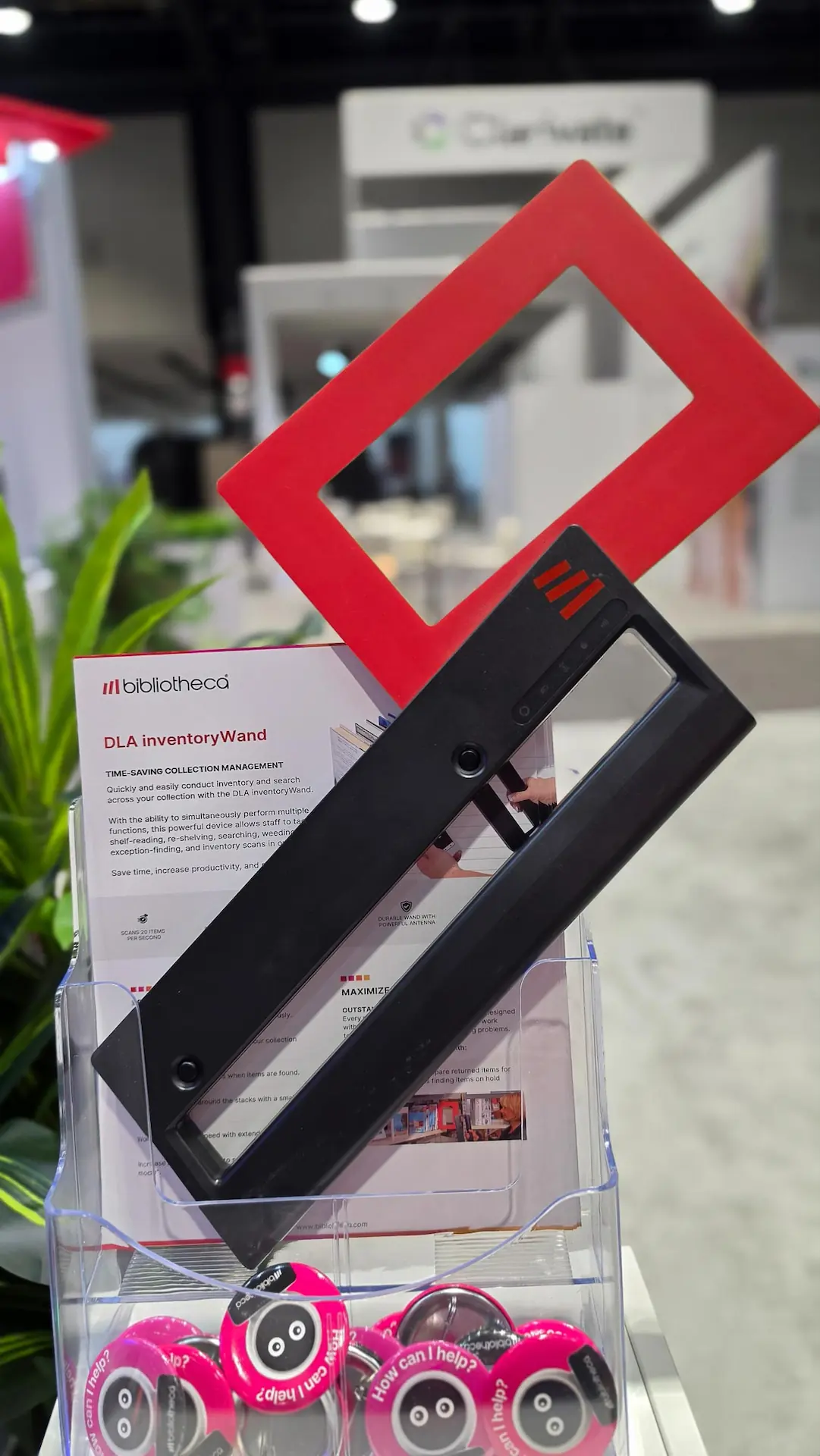
That came through most clearly in the products themselves. remoteLocker+ drew some of the strongest interest at the booth. Libraries wanted to see how it gives patrons access to holds and returns outside regular opening hours, whether it is installed outside a branch or at another location in the community.
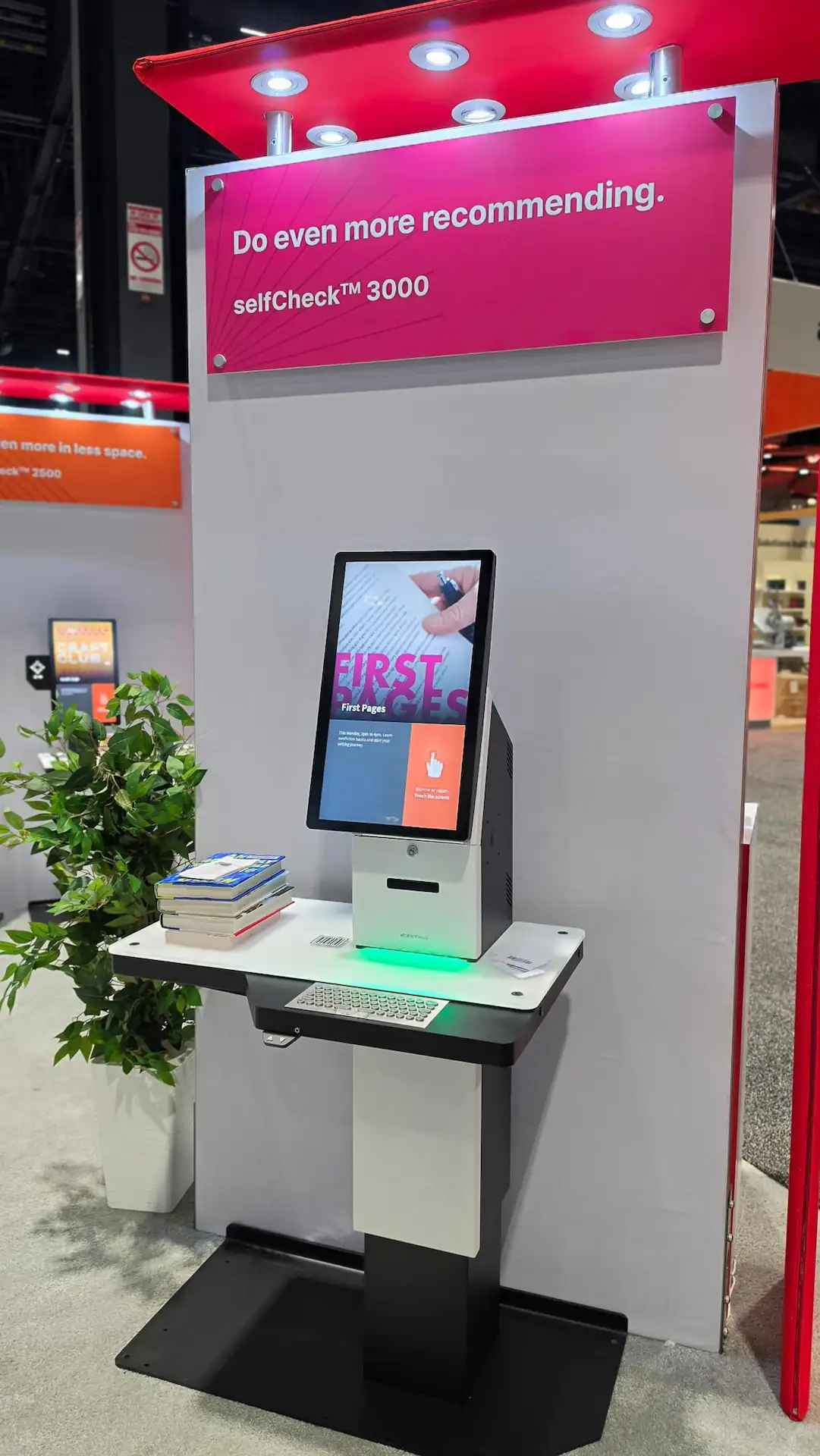
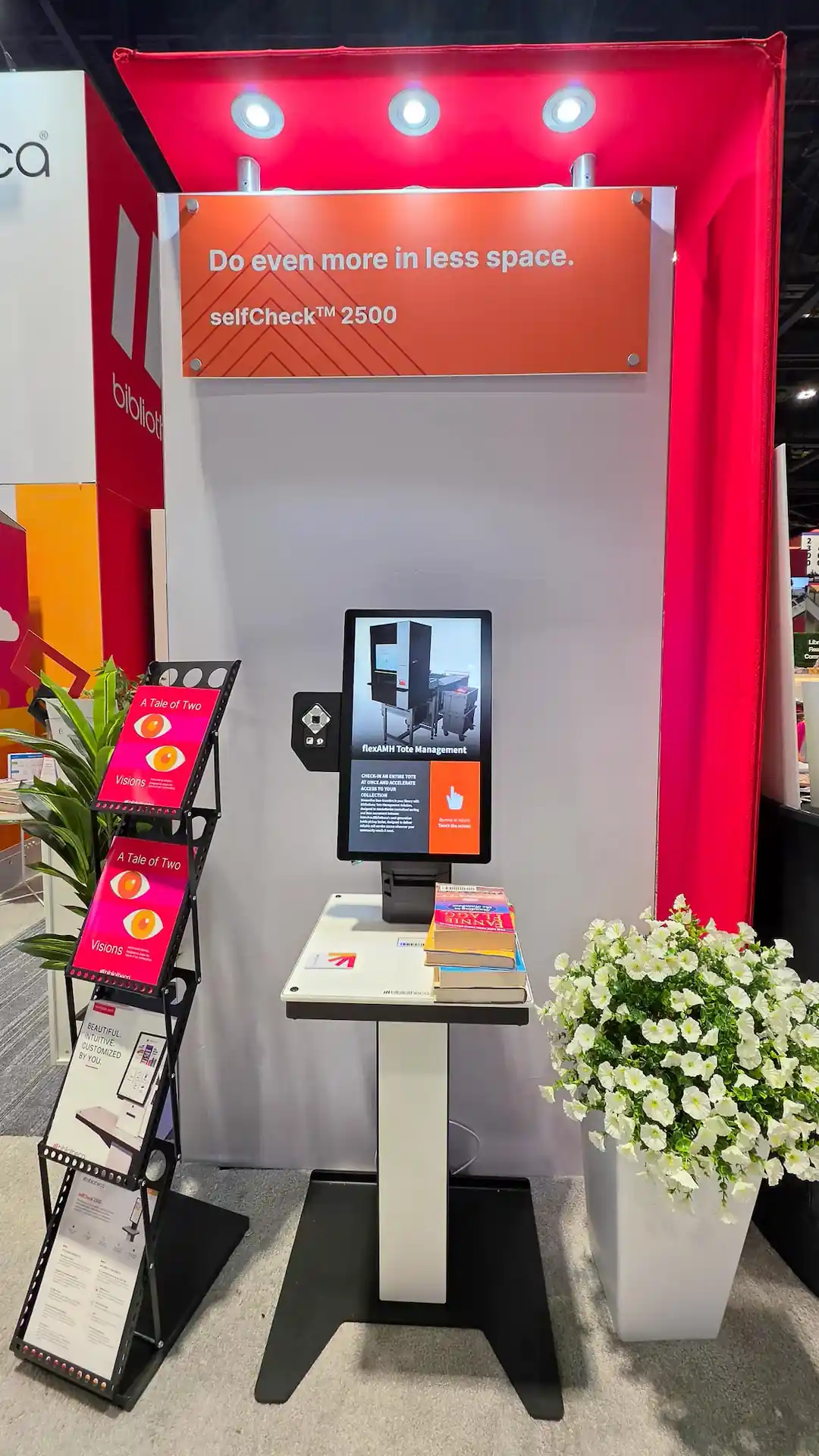
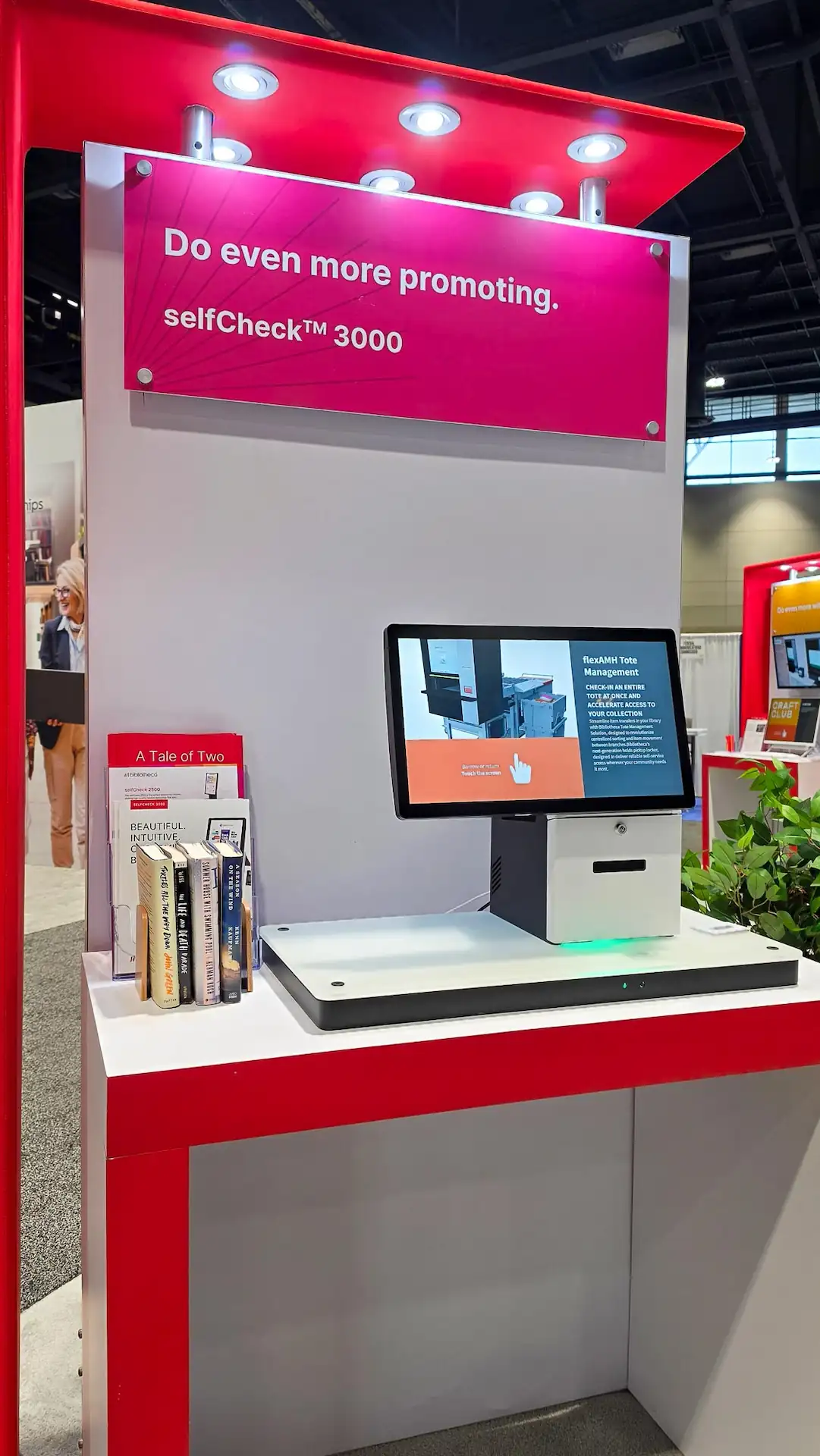
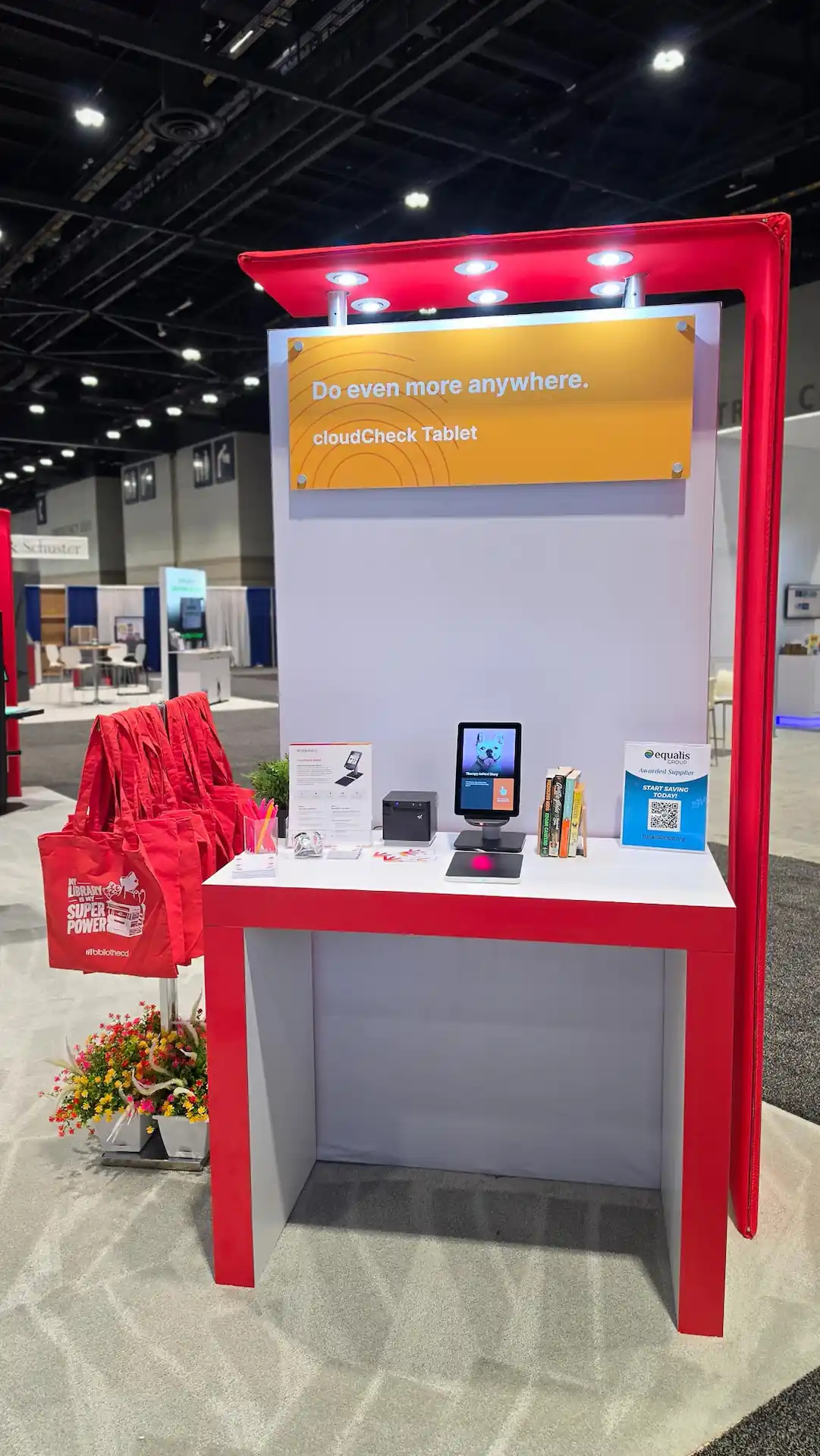
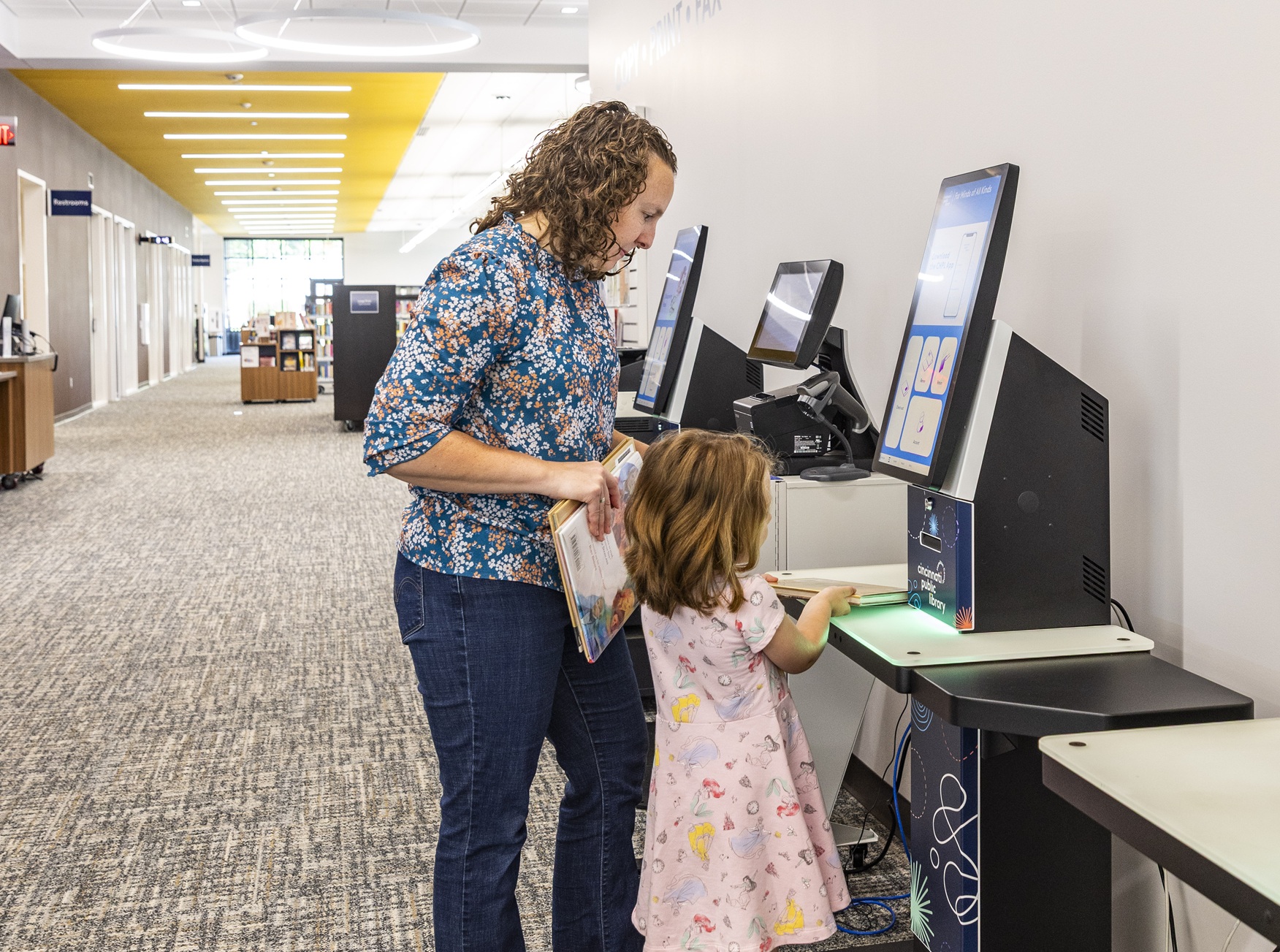
Nearby, the selfCheck kiosks split the self-service story two ways: the selfCheck 3000 leaned into accessibility and on-screen engagement, while the compact selfCheck 2500 showed how the same functionality fits into smaller spaces. The cloudCheck tablet rounded out the lineup with a portable option staff could use anywhere service was needed.
Watch: Commercial Director Mason Humphrey on the solutions we brought to ALA 2026, and how they give libraries back time.
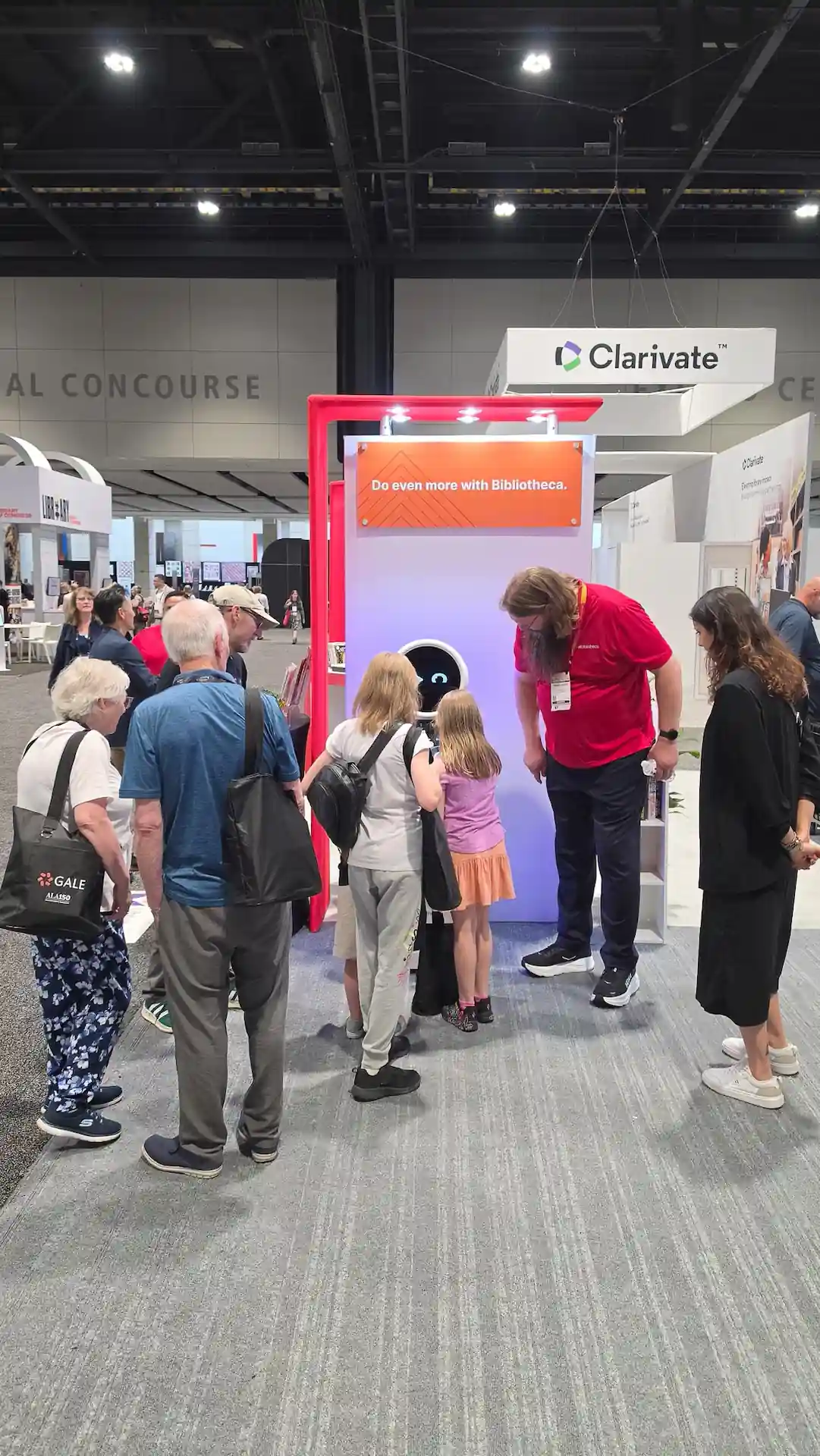
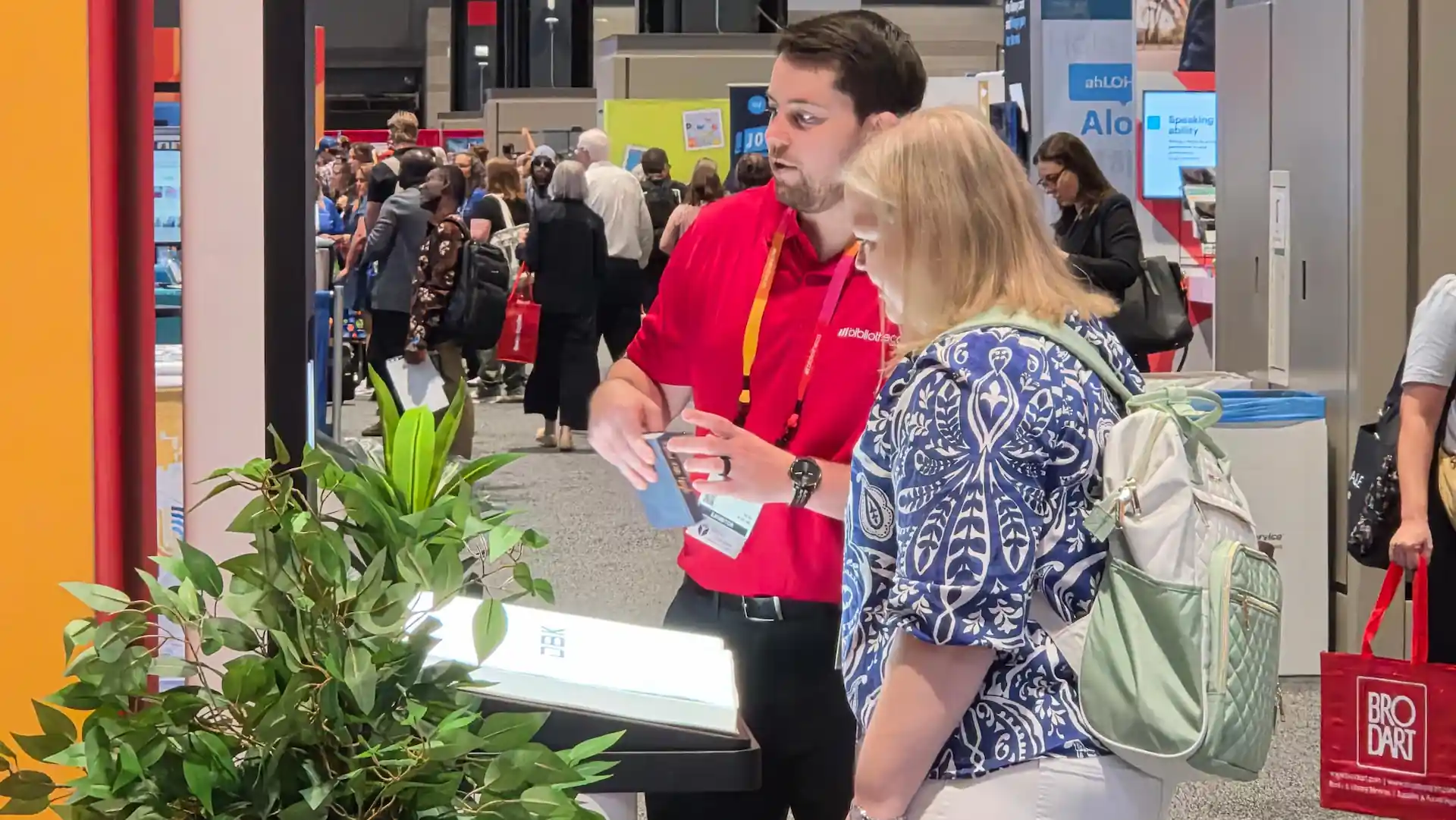
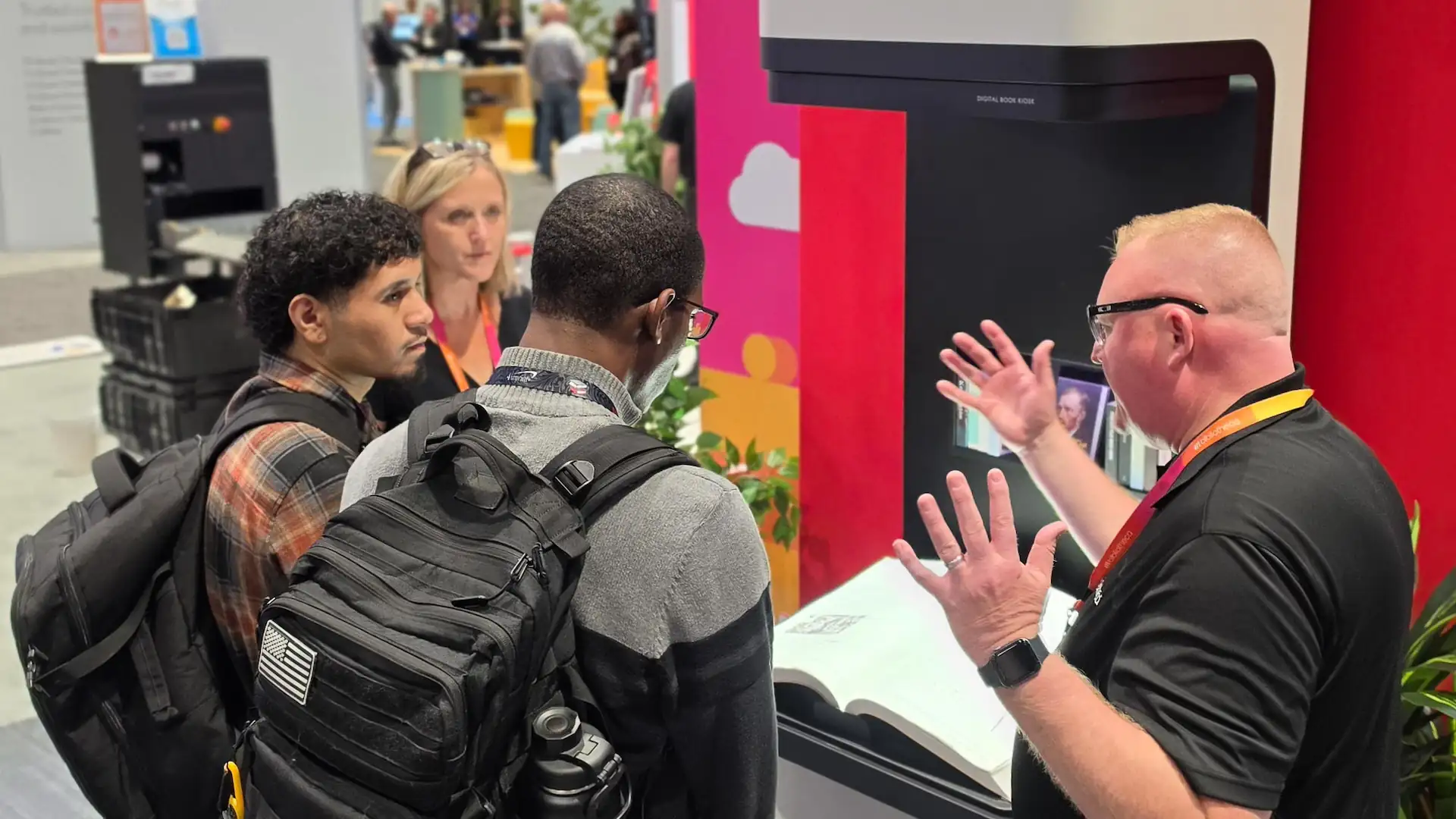
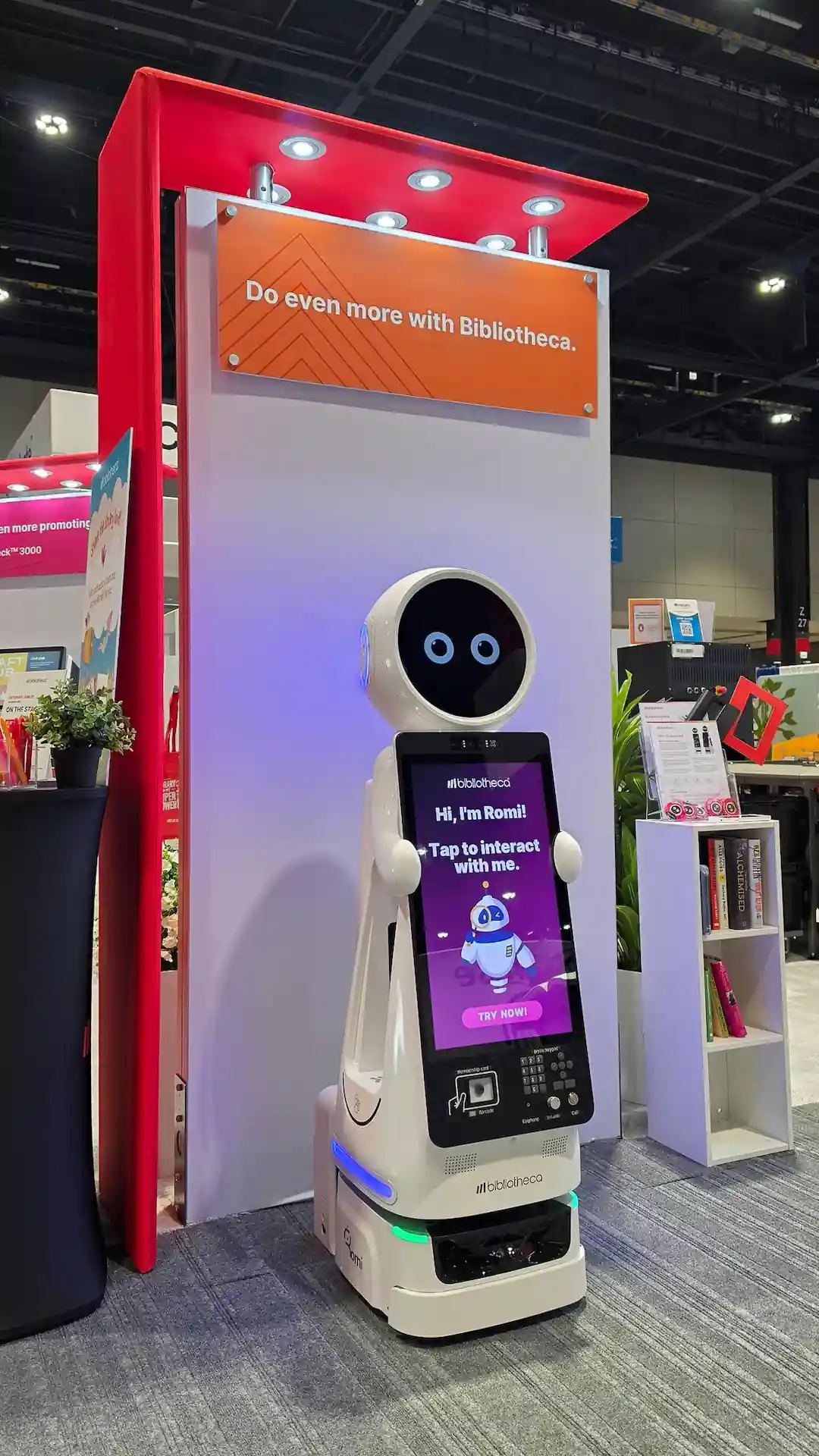
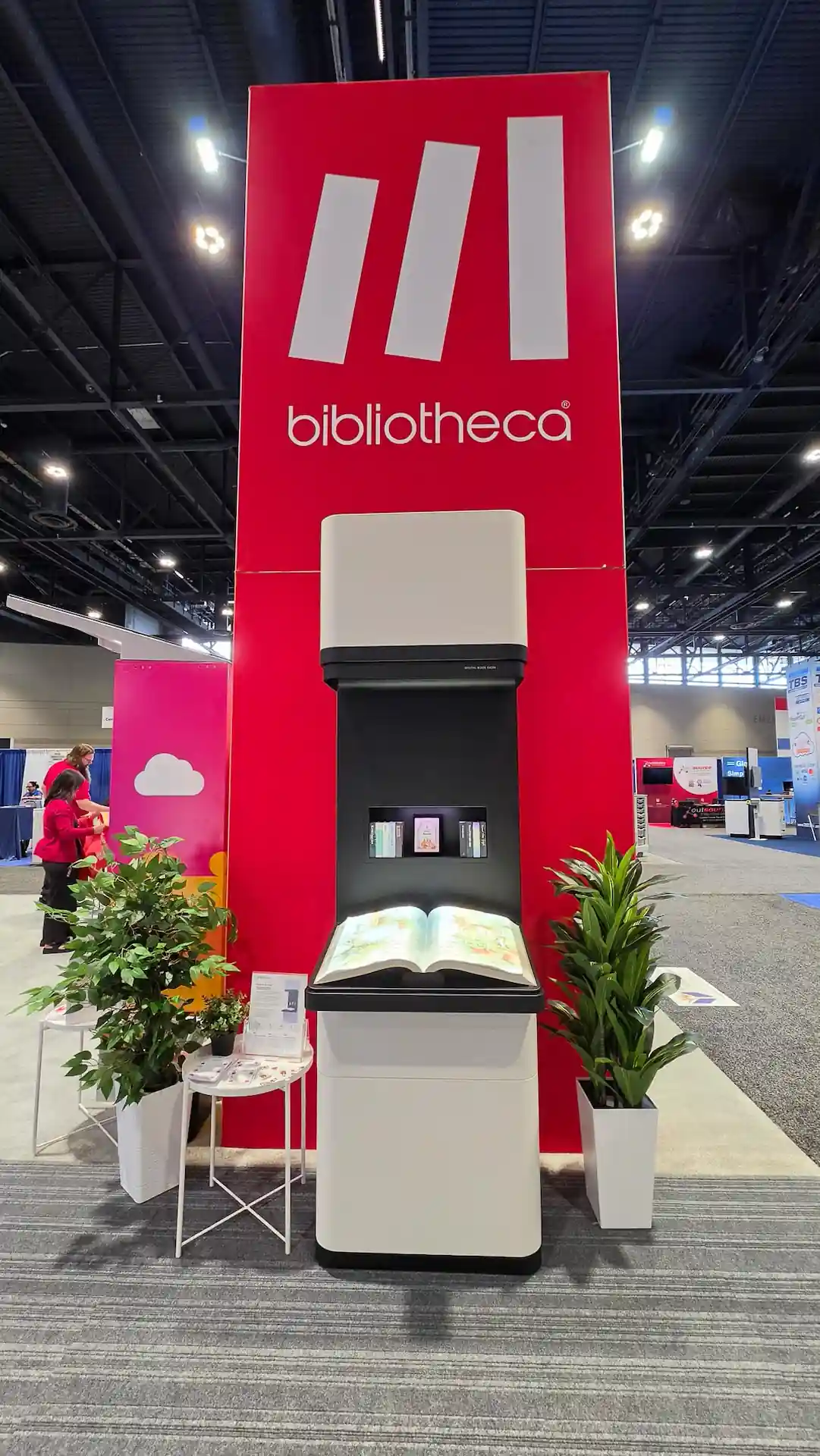
Two products kept a crowd around them. Romi, Bibliotheca’s mobile library robot, moved around the booth handling checkout, wayfinding, and locating items on the shelf. The Digital Book Kiosk made its first appearance at ALA: as visitors turned the pages of a physical book, projected images, video, and interactive content responded in real time.
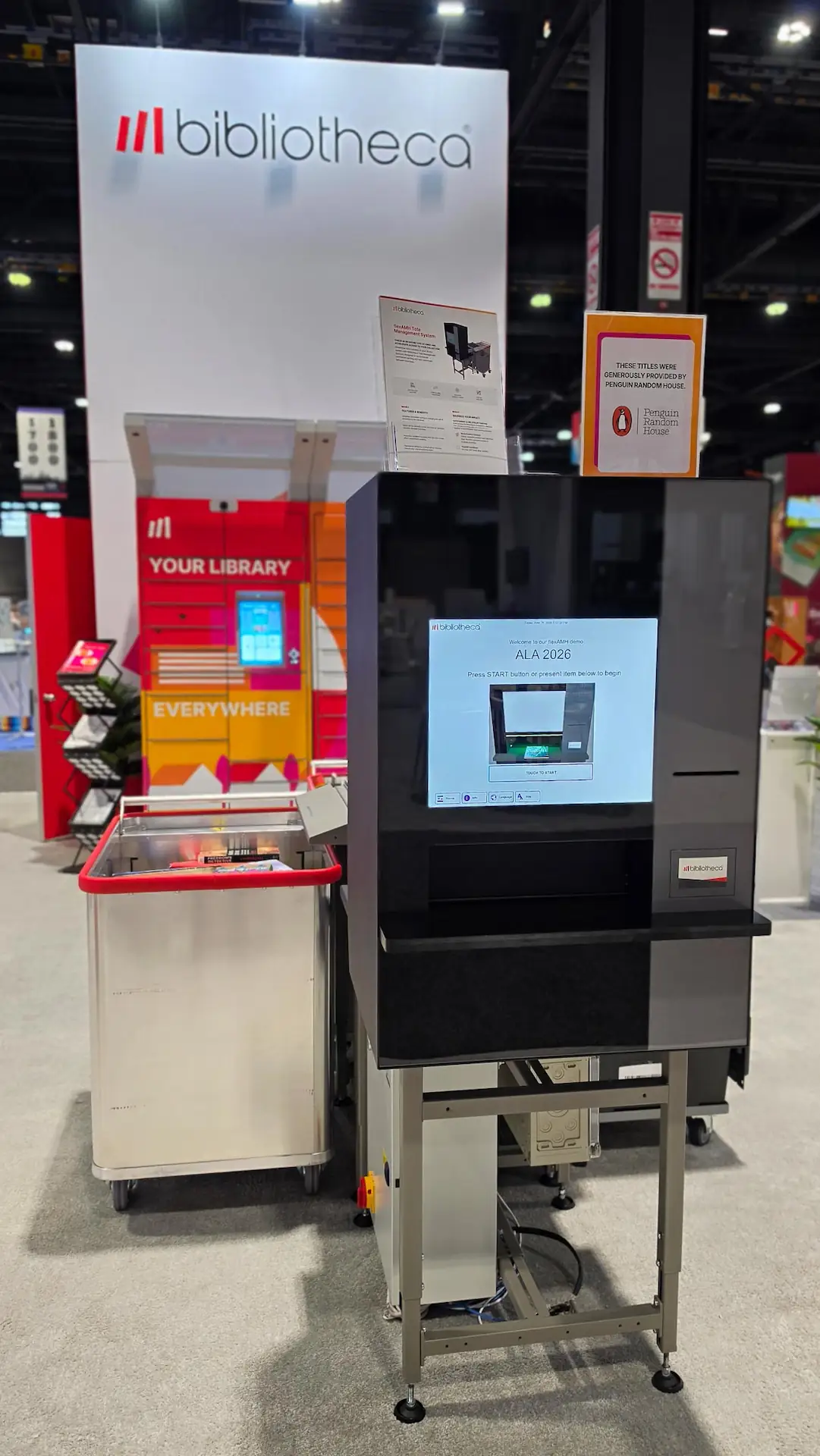
Automation drew its own steady traffic. flexAMH showed how libraries can speed up returns and sorting, cutting the time staff spend moving materials between branches and service areas, while smartShelf borrow took a different approach — returned items go straight onto a browsable shelf, where the next patron can check them out on the spot.
Two sessions focused on access
Bibliotheca hosted two practitioner-led sessions on June 27, both on extending access to library services.
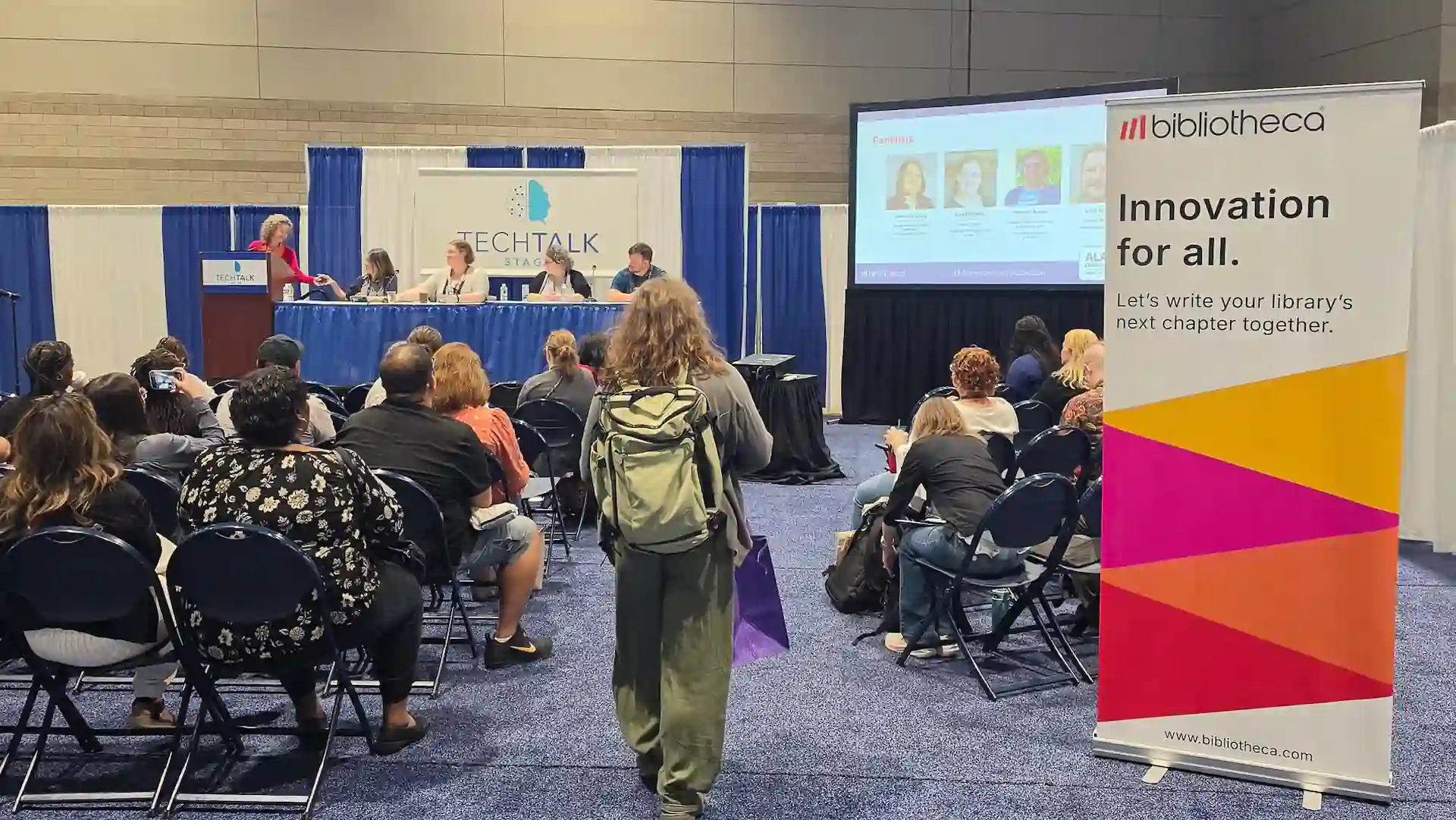
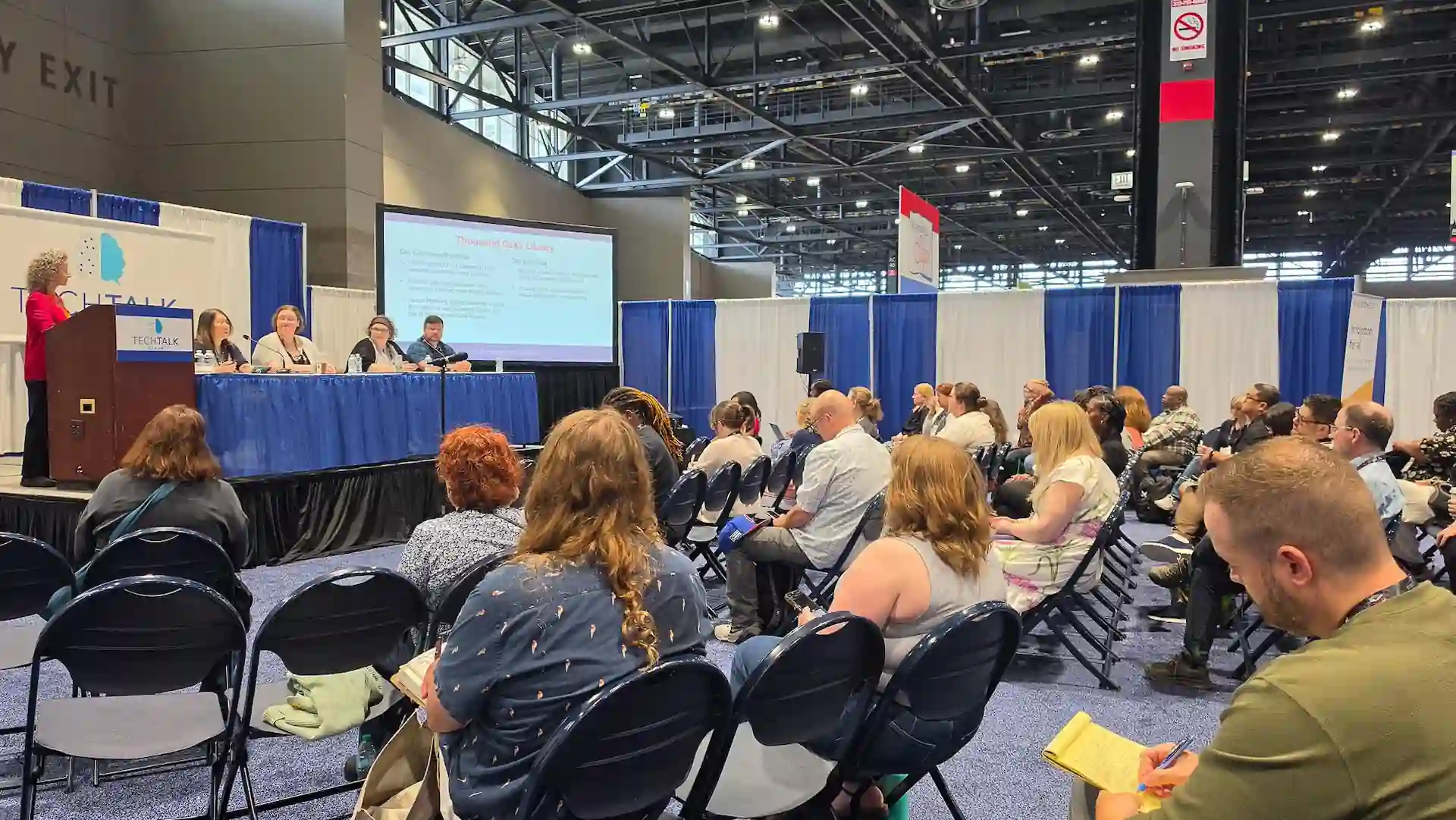
The Tech Talk, Unbeatable, Nontraditional Access: Public & Academic Panelists Talk Lockers Onsite and in Communities, gathered public and academic library leaders to talk about nontraditional access — how lockers, both onsite and out in the community, bring the library closer to more people.
The panel featured Robin G. Roggio, Director of Resource Sharing and Interlibrary Loan at University of Arkansas Libraries; Samantha Yeung, Access Services Division Manager at Thousand Oaks Library; Adam Webb, Executive Director of Garland County Library; and Sara Fillbrandt, Library Director at Augsburg University Lindell Library. Around 49 people attended, and several carried the conversation over to the booth afterward. Bibliotheca Solution Consultant Lisa Stamm brought the panel together.
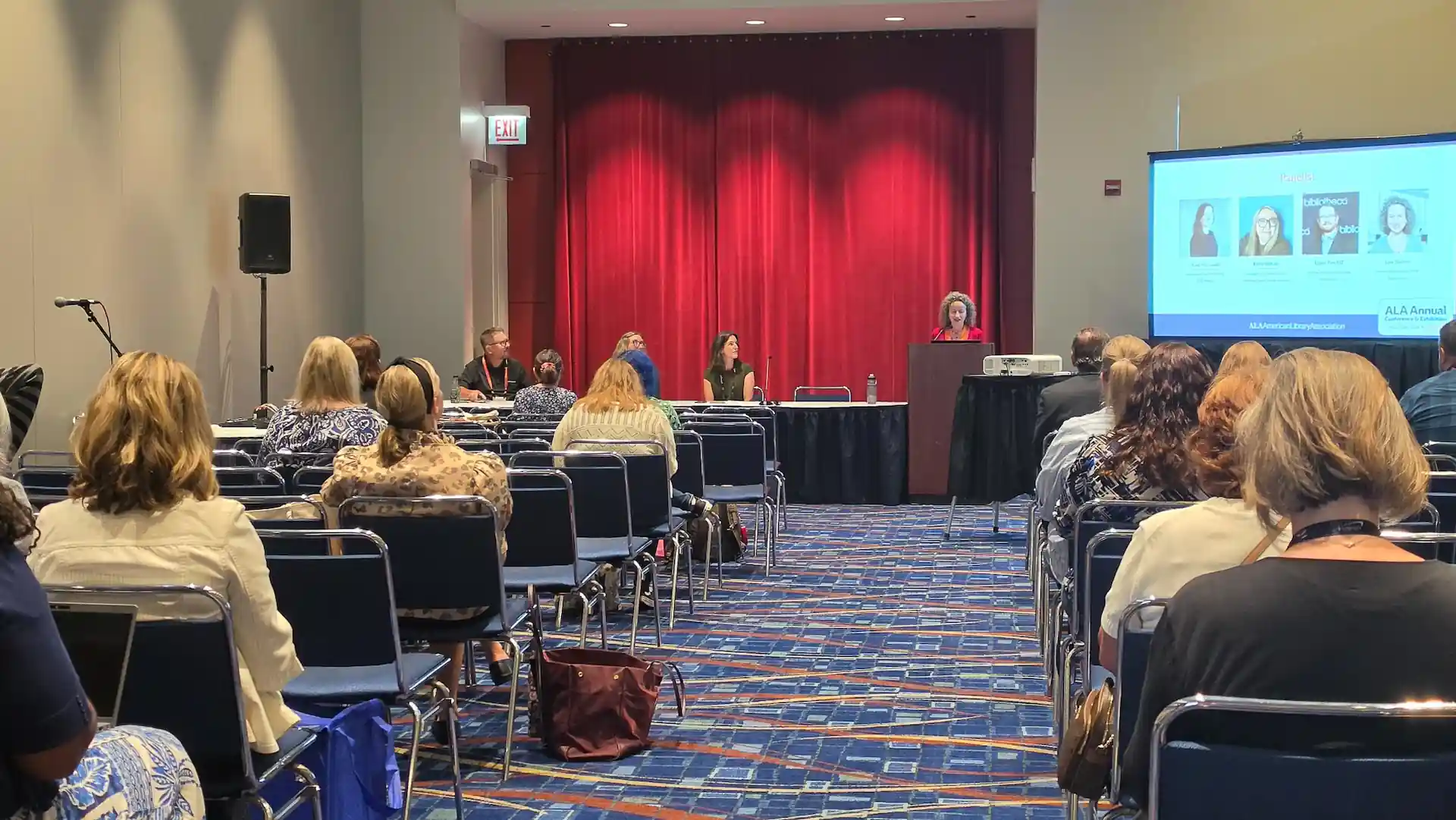
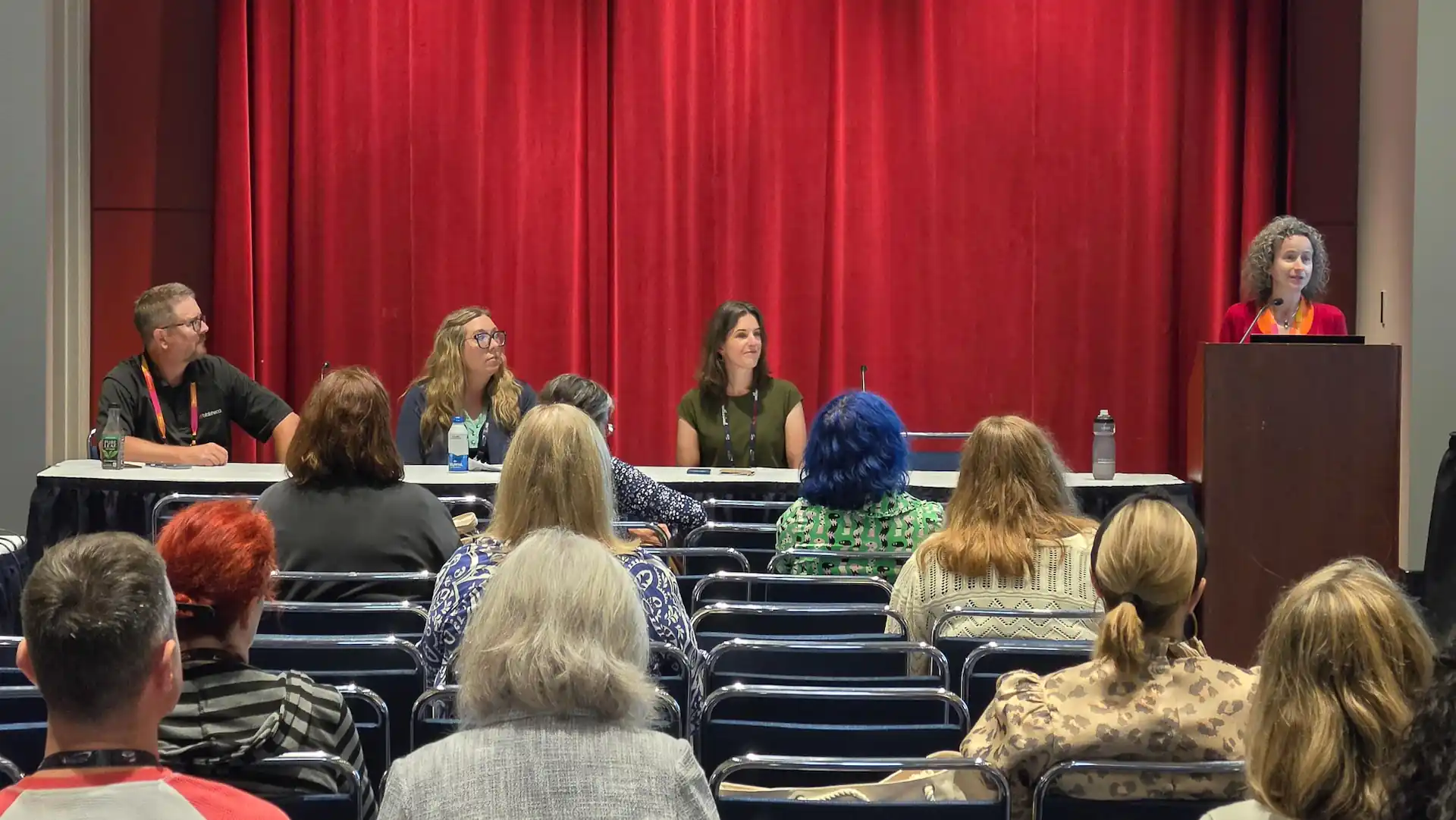
The education session, Architecting Access: Designing New and Existing Facilities for Unstaffed Self-Service, took on a practical question: how do you design a library for unstaffed self-service, whether it is a new build or a space you already have?
Kate Michaud, Director of Project Delivery and Principal at MSR Design, and Kelly Duran, Manager of Express Library at Jefferson County Public Library, shared lessons from planning and retrofitting real spaces. Much of the Q&A centered on open+ access and the practical effects that expanded hours have on building design, staffing, and patron experience. Solution Consultants Lynn Yandell and Lisa Stamm organized the session for Bibliotheca.
Book bans and the freedom to read
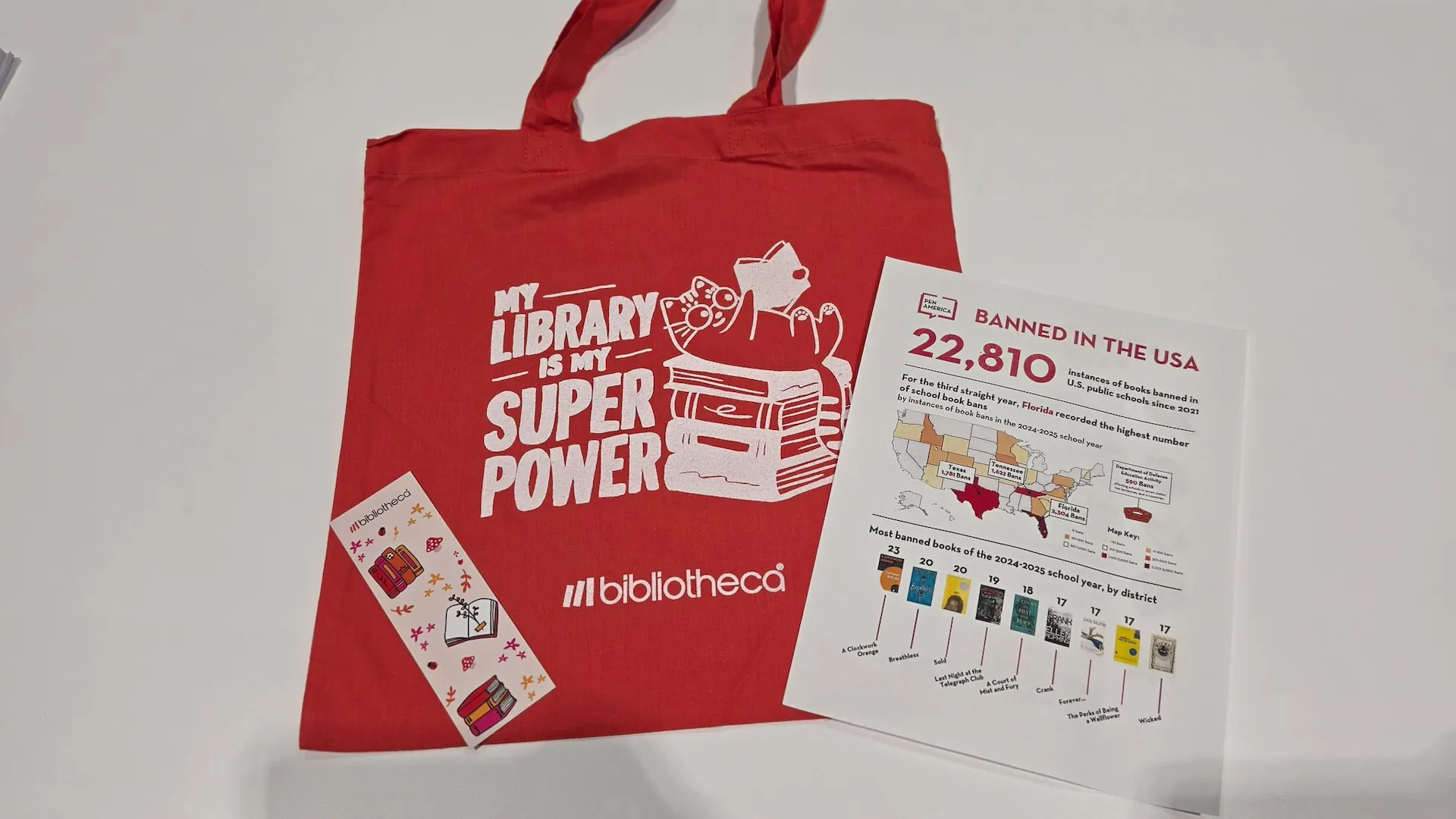
For the second year, Bibliotheca partnered with PEN America to highlight the growing impact of book bans in the United States.
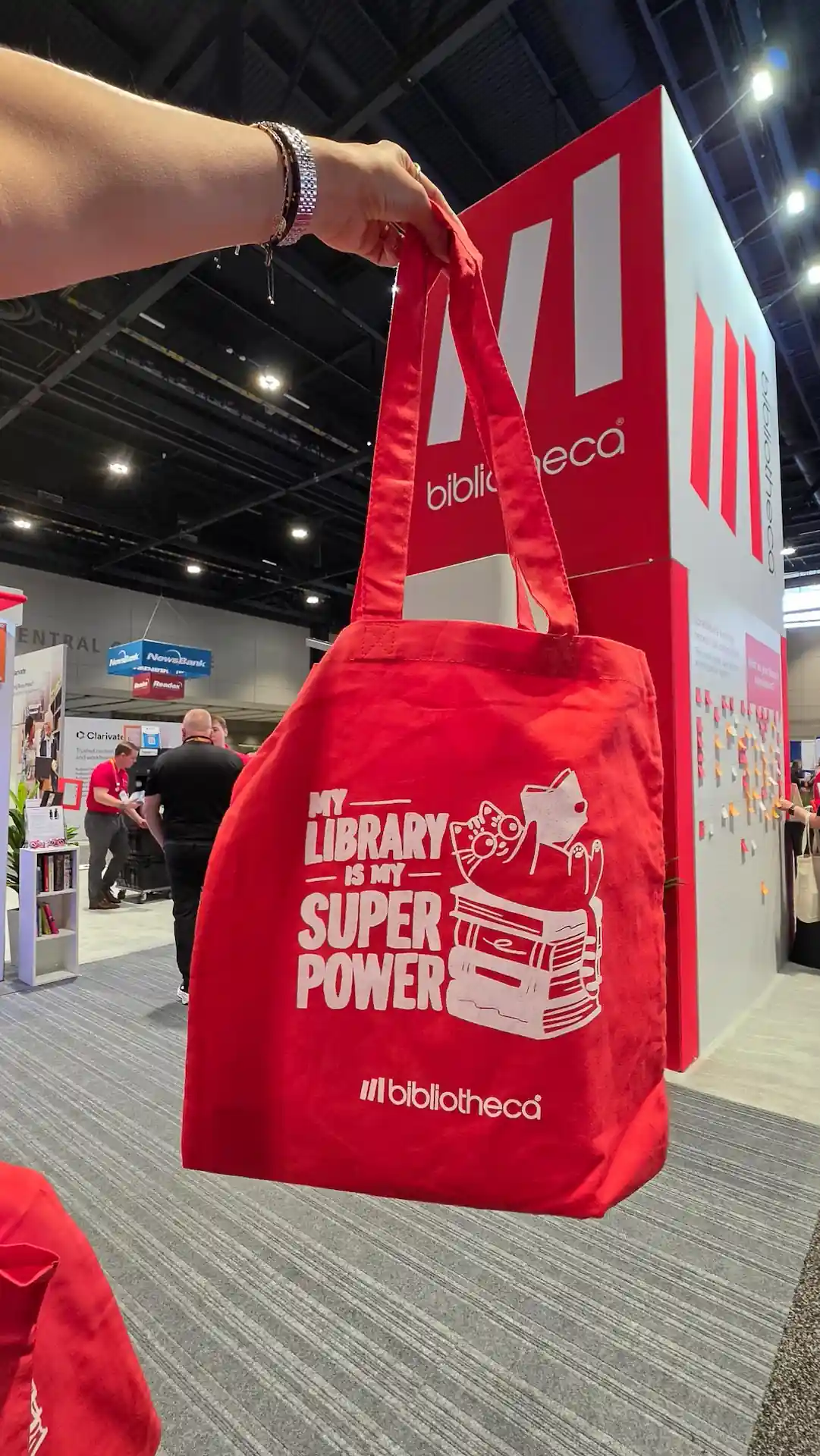
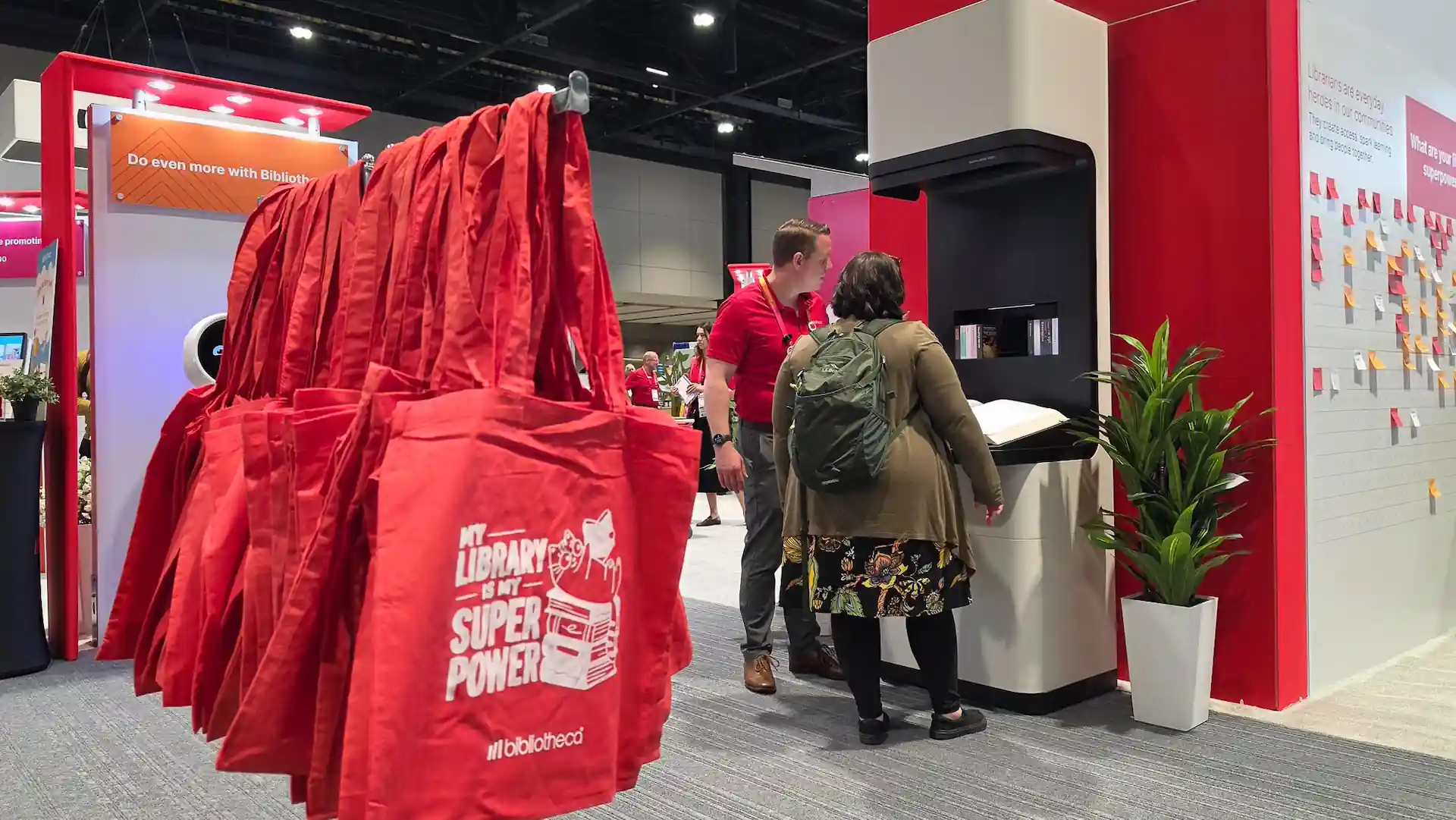
Each of the 650 tote bags handed out at the booth included PEN America’s latest reporting, including the 22,810 instances of book bans recorded in U.S. public schools since 2021, along with information about where the bans are concentrated and which titles are being removed.
Recently, Bibliotheca also sat down with PEN America and the Texas Freedom to Read Project to talk through how communities can respond to book challenges and support local librarians.
A wall that spelled HERO
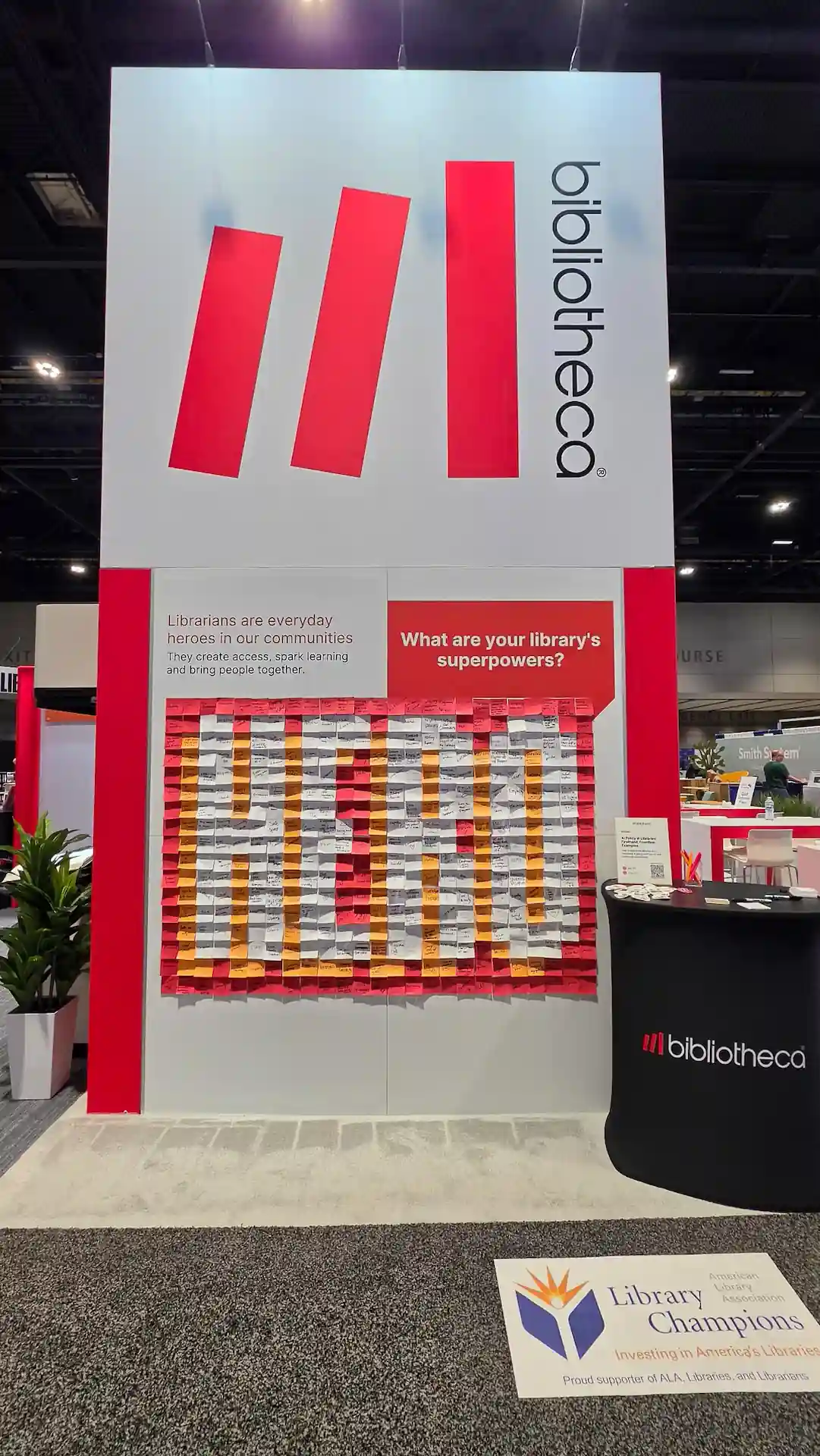
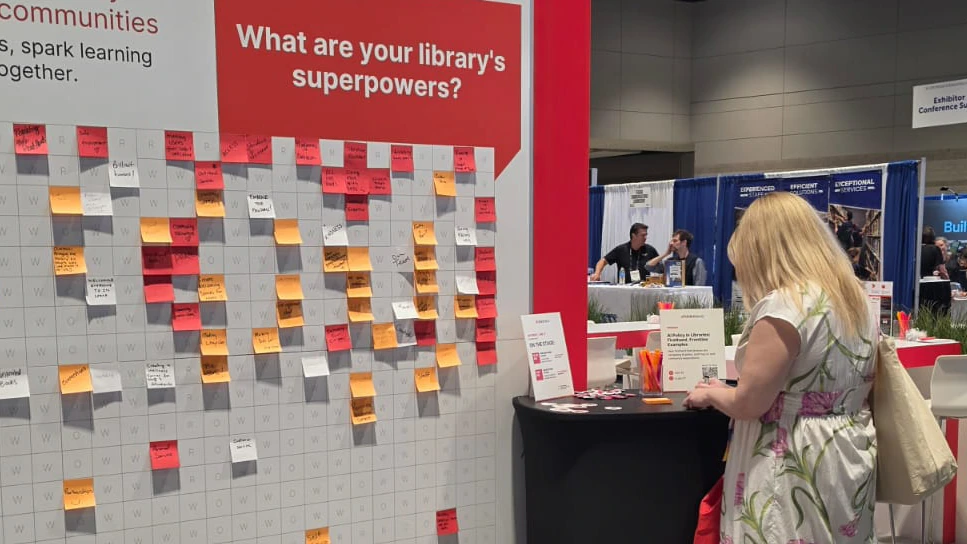
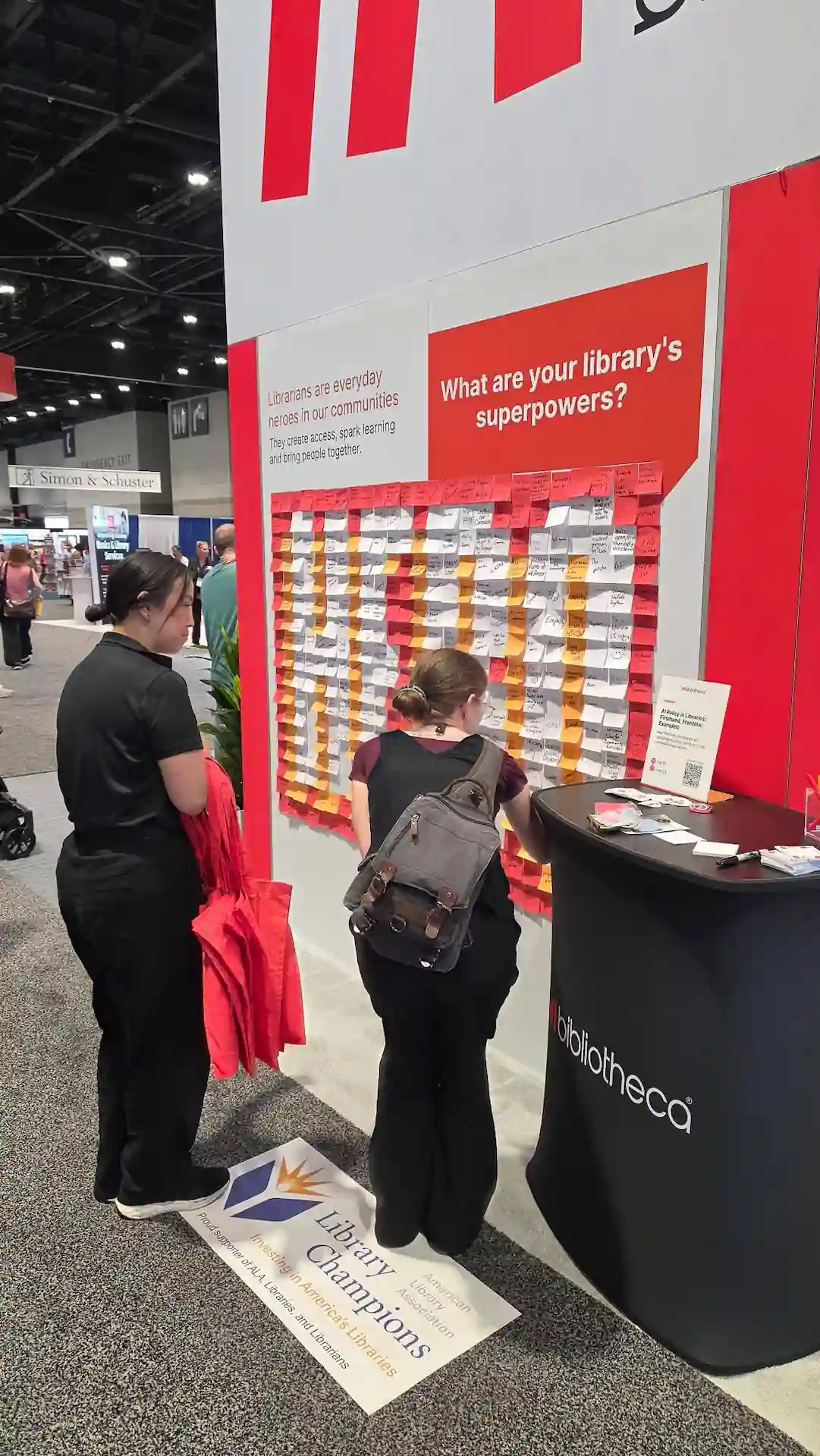
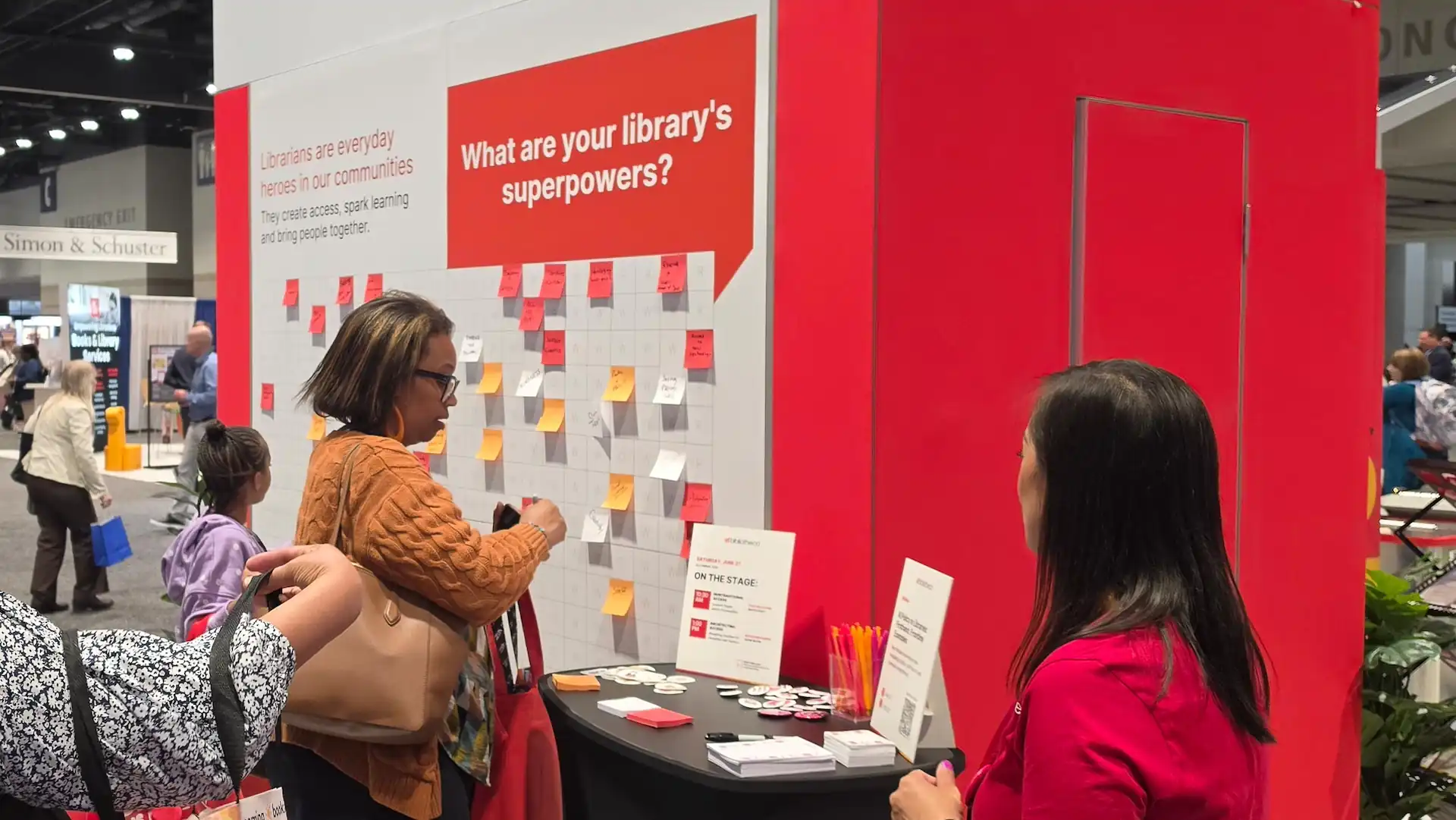
One question appeared across Bibliotheca’s interactive wall:
What are your library’s superpowers?
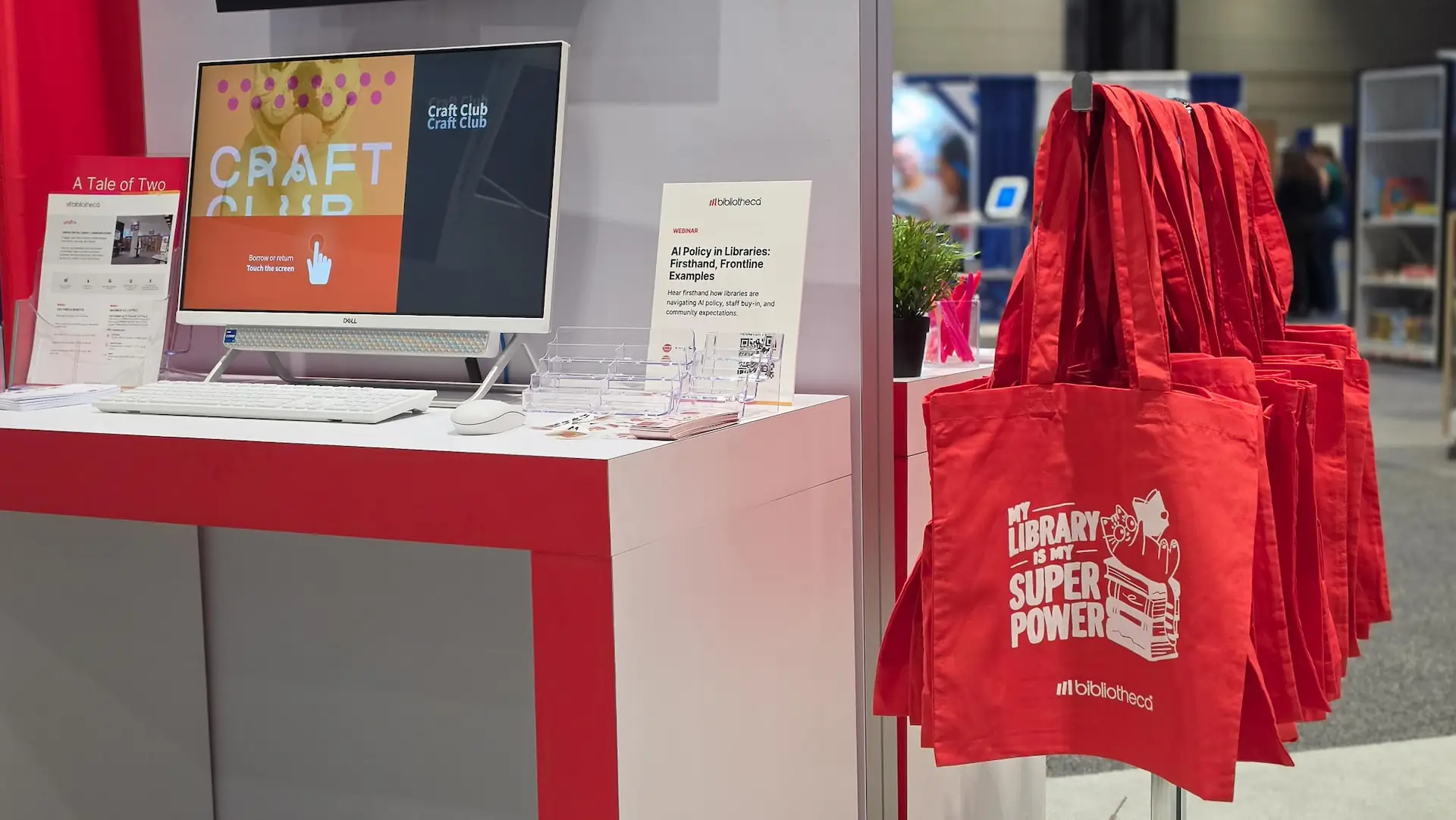
Attendees responded with hundreds of handwritten notes, and as the wall filled, their answers formed a single word: HERO. Visitors carried the same idea home on tote bags reading “my library is my superpower.”
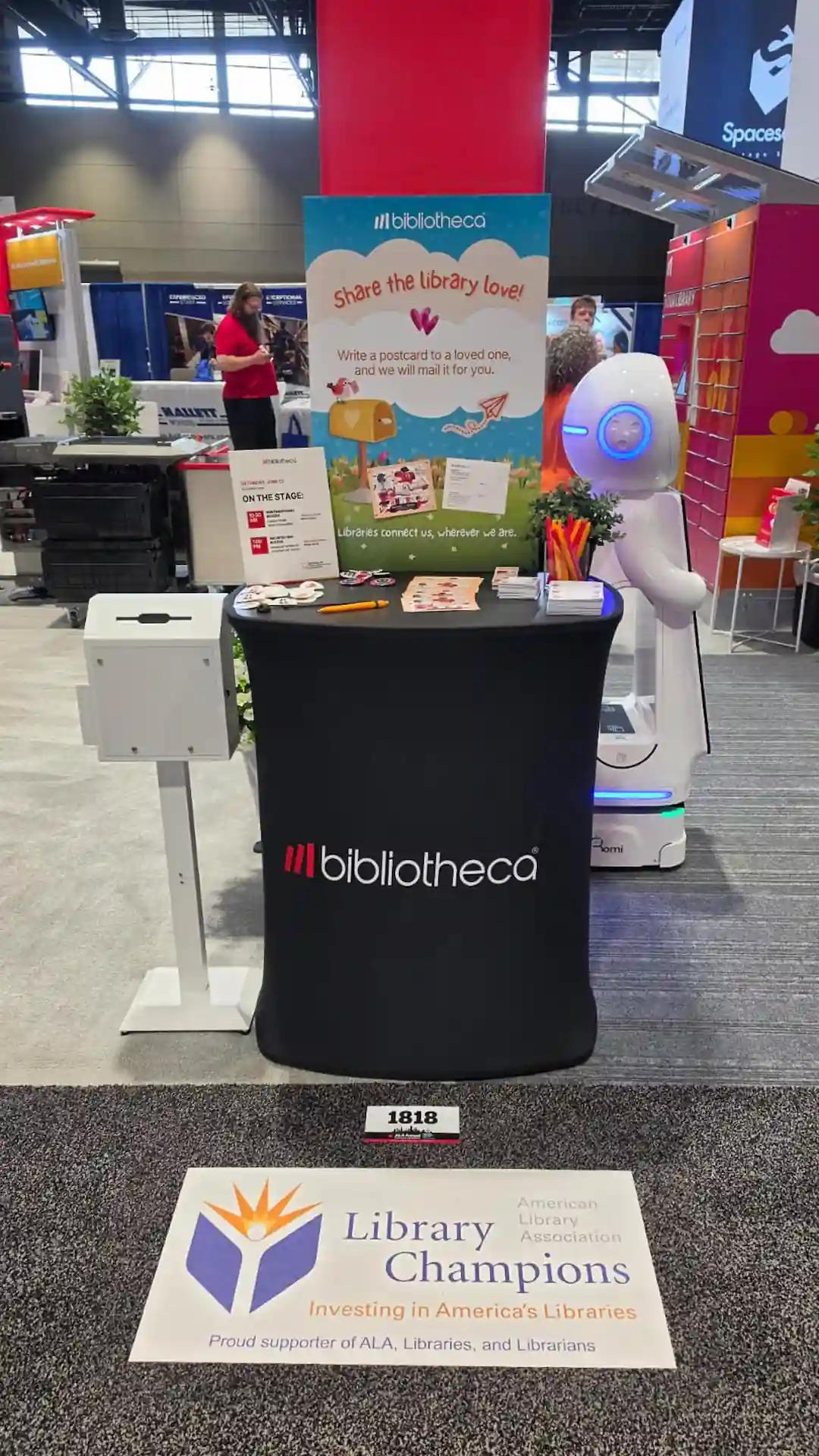
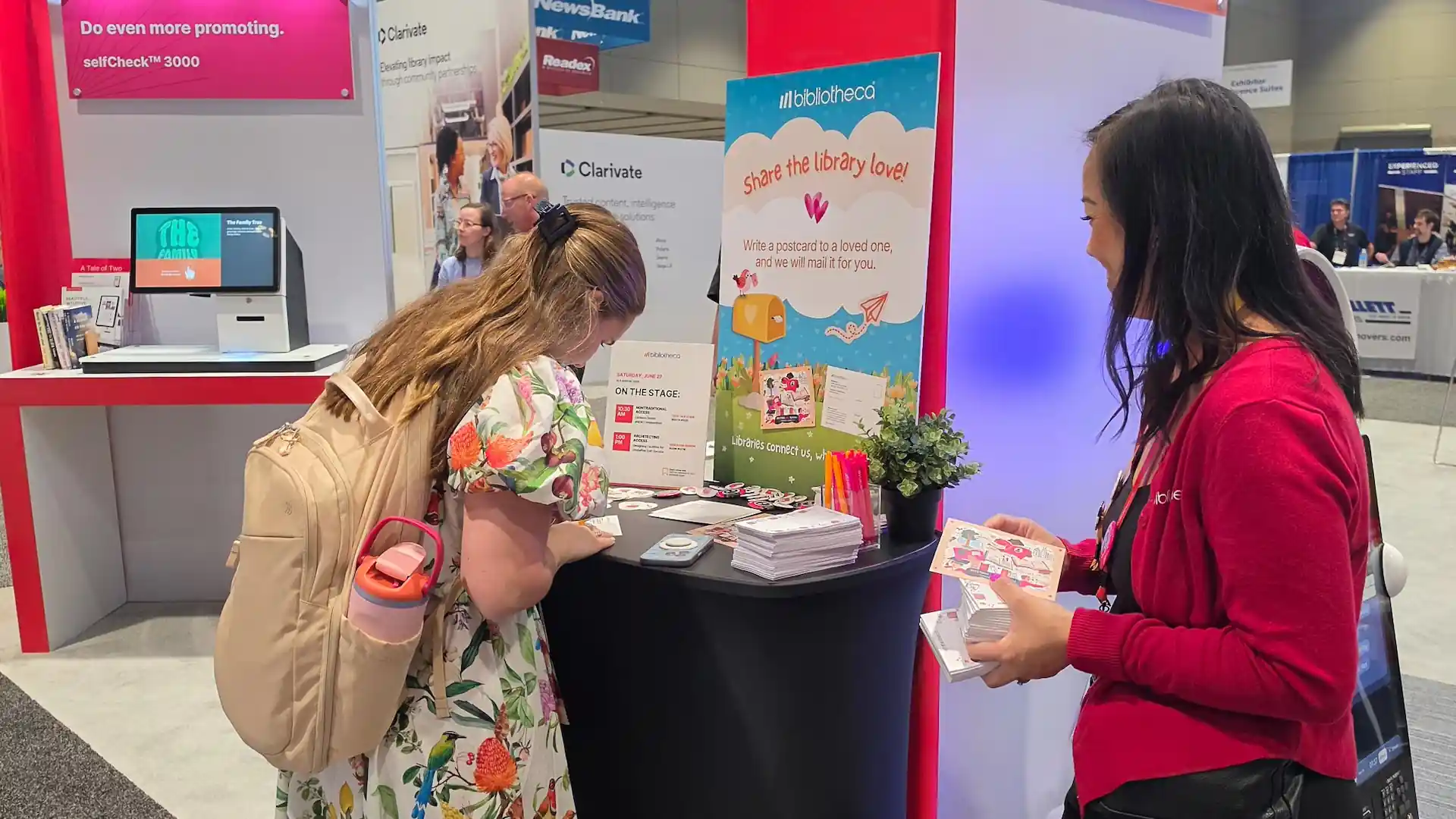
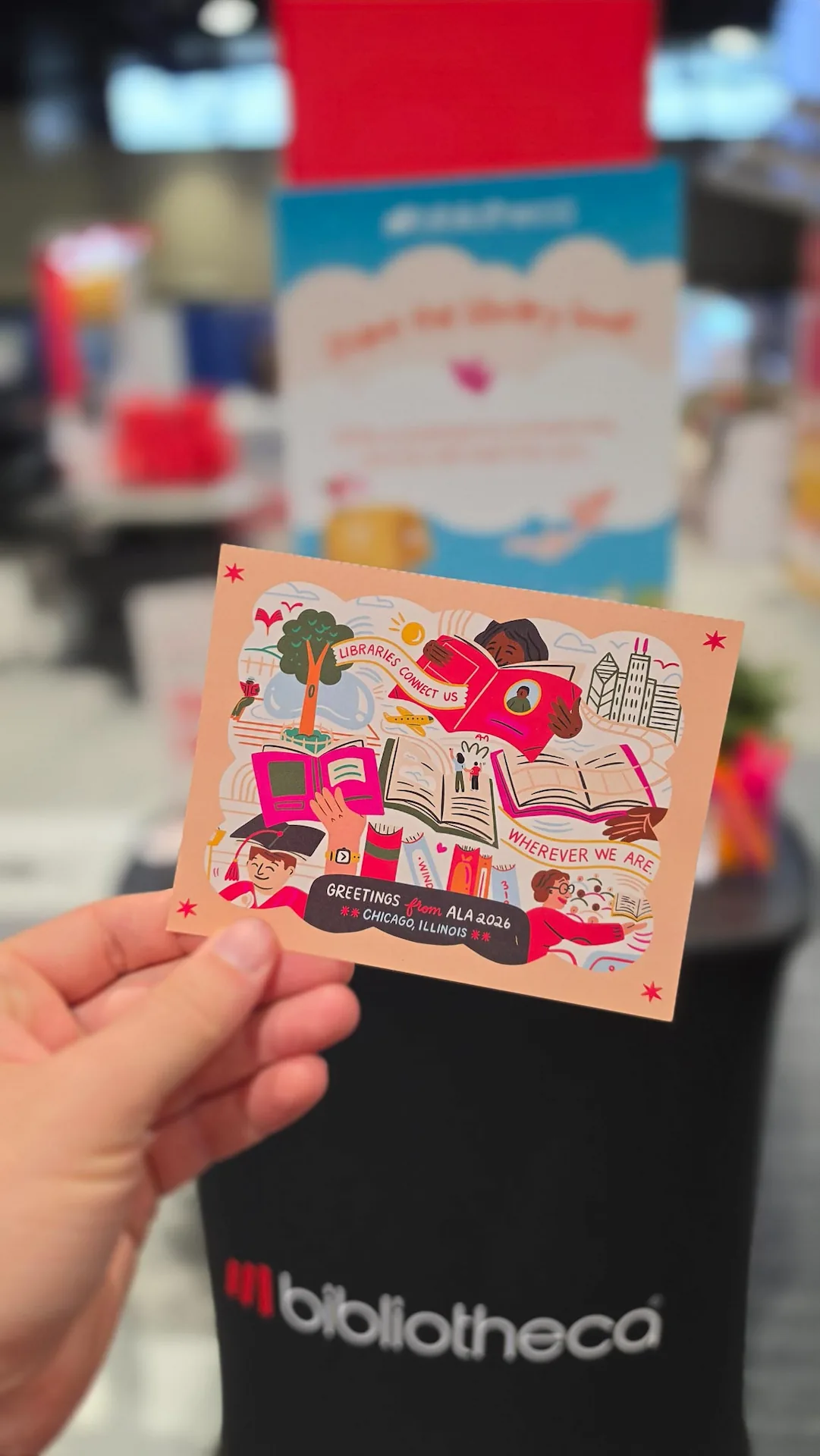
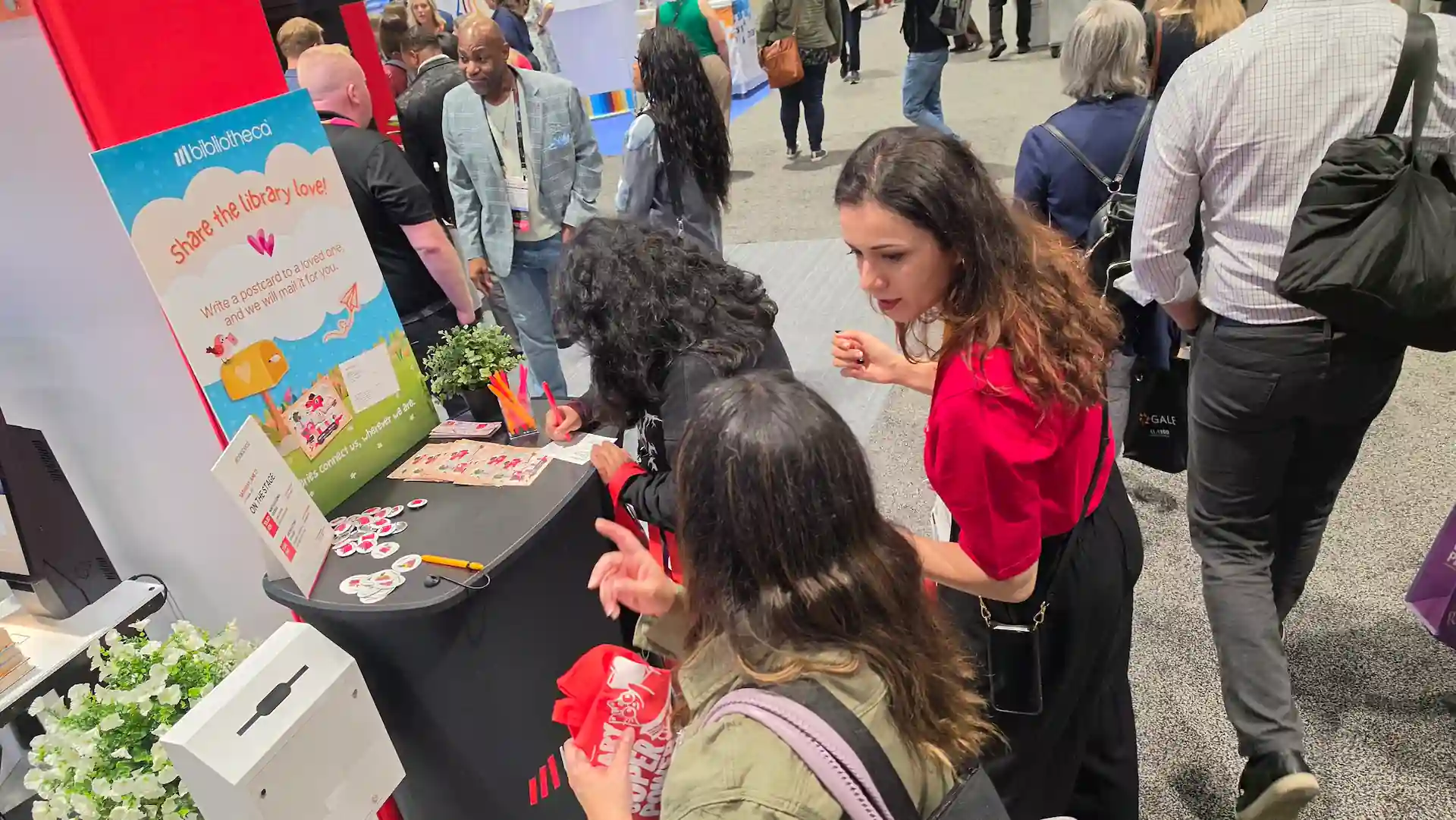
The Postcard Station returned this year as well. Attendees wrote 300 postcards featuring artwork by Chicago artist Katie Lukes; of those, 106 went to recipients in the United States, six were international, and 188 were taken home as keepsakes.
What we heard in Chicago
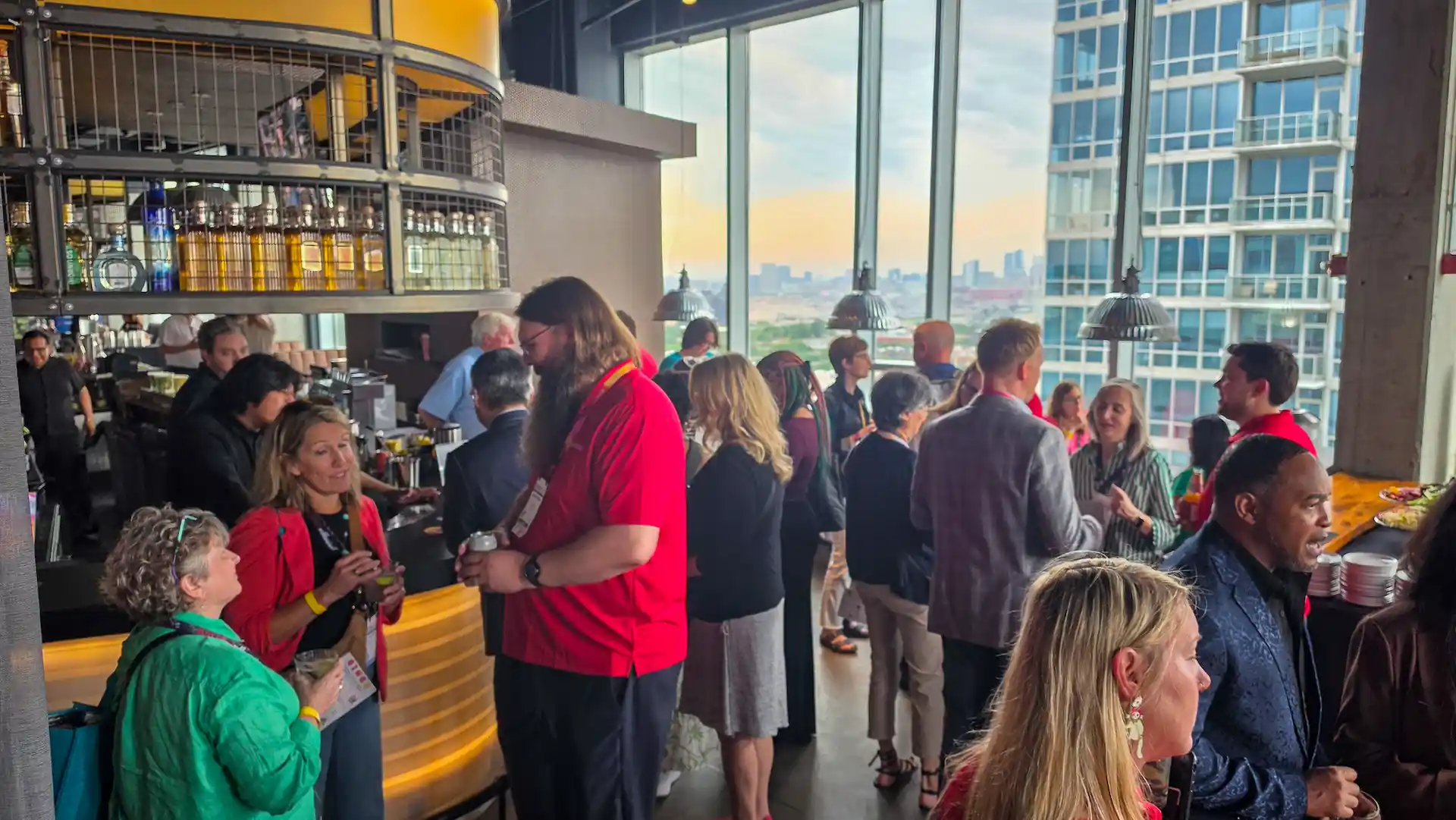
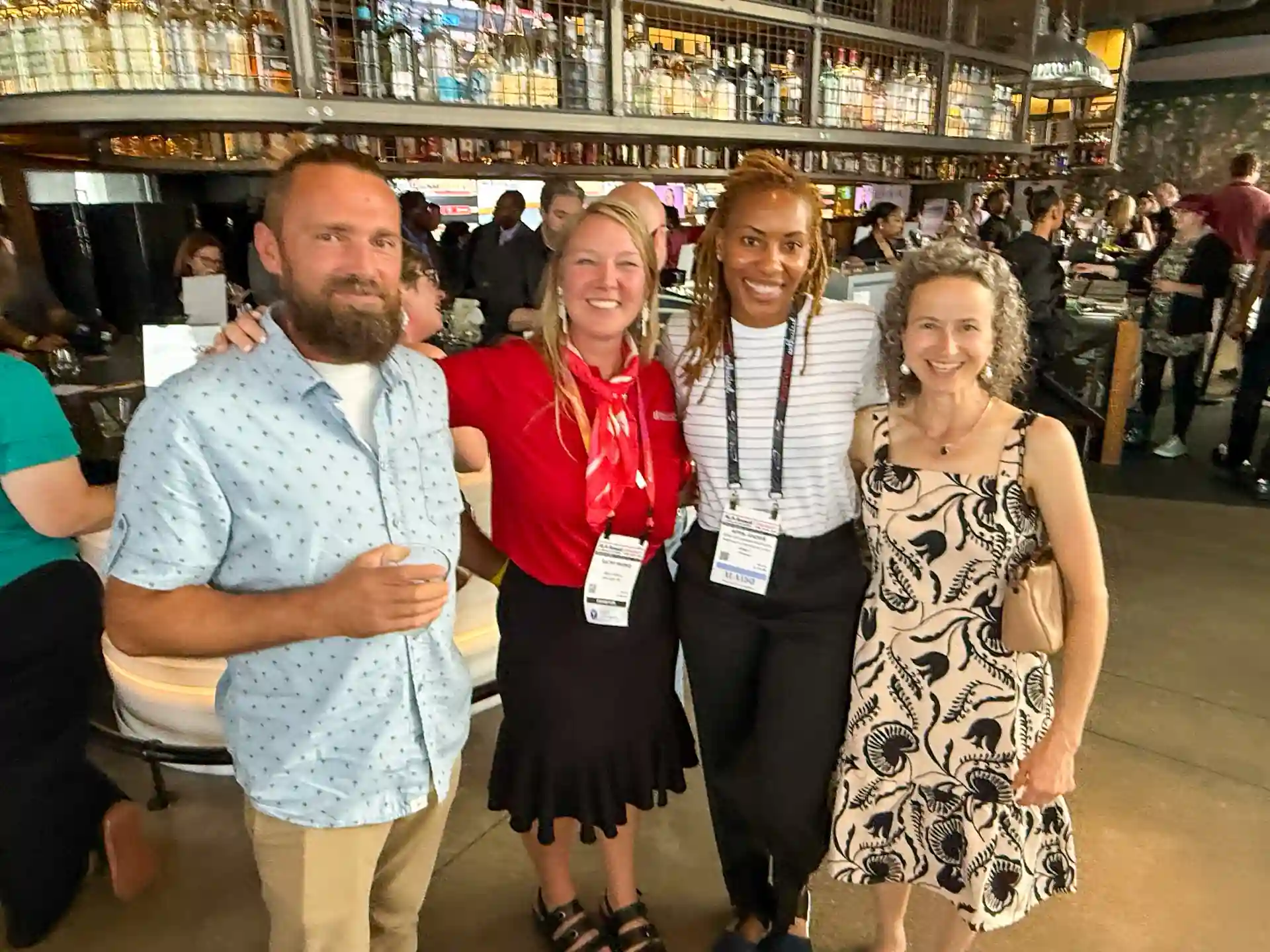
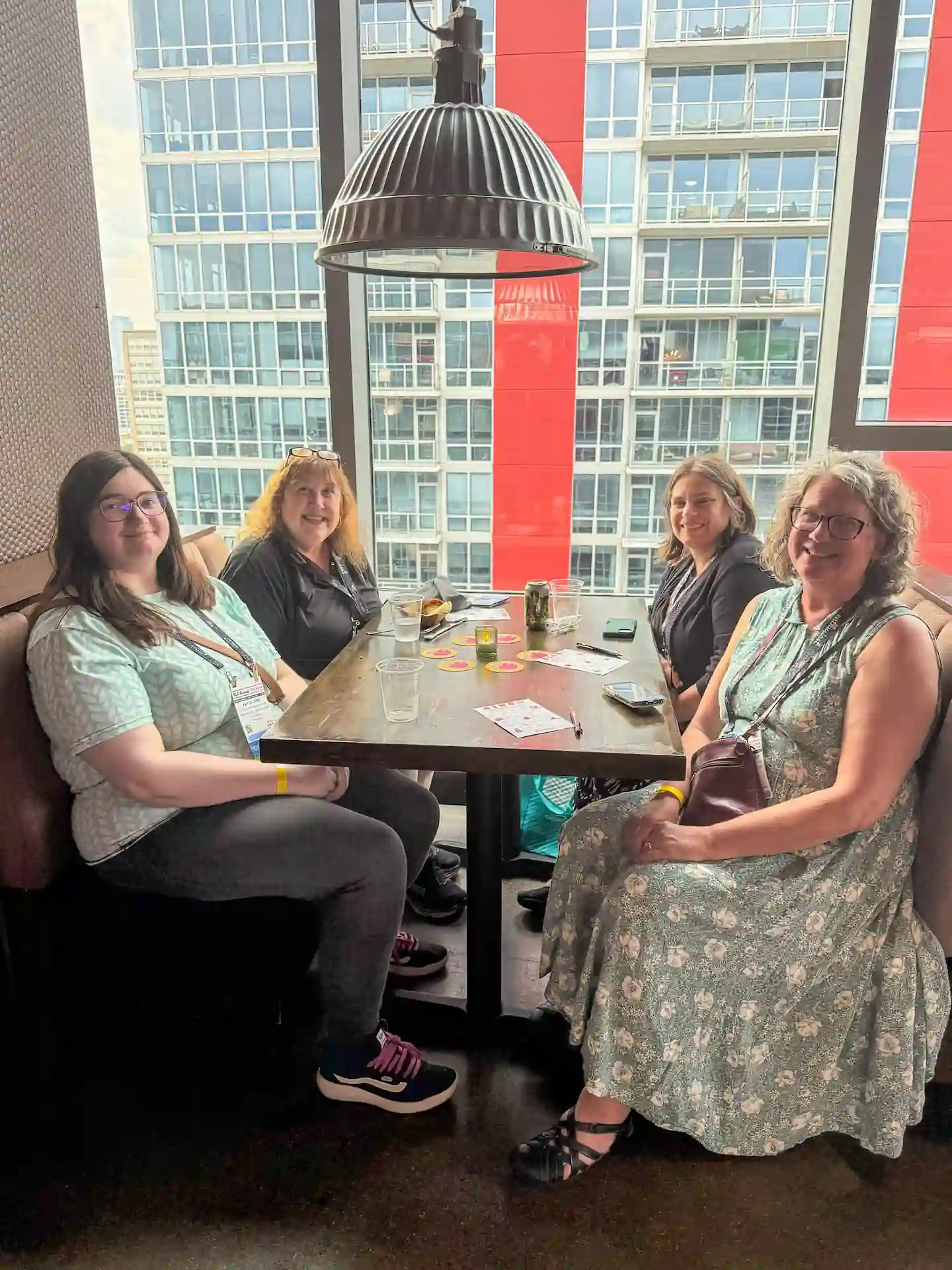
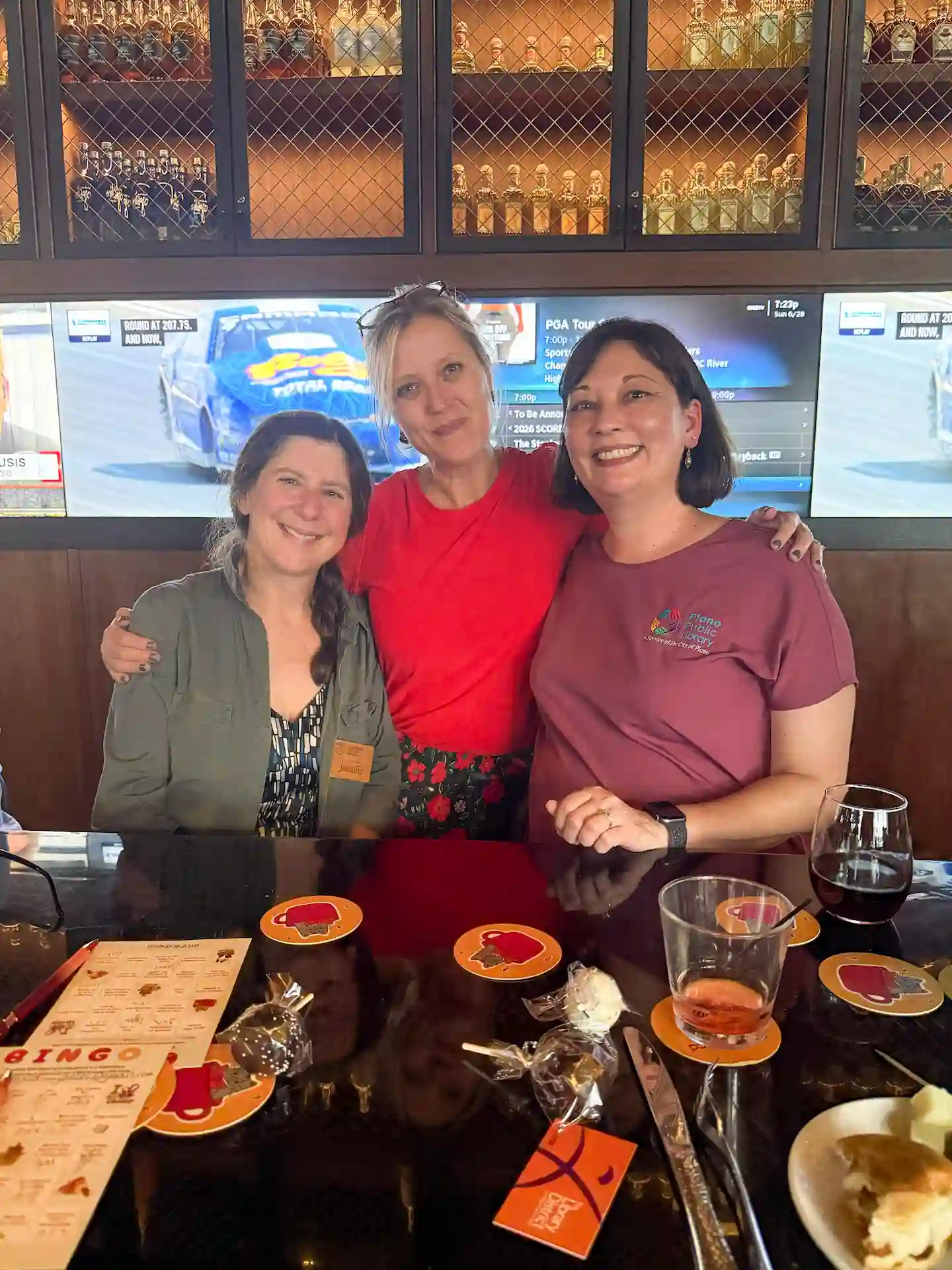
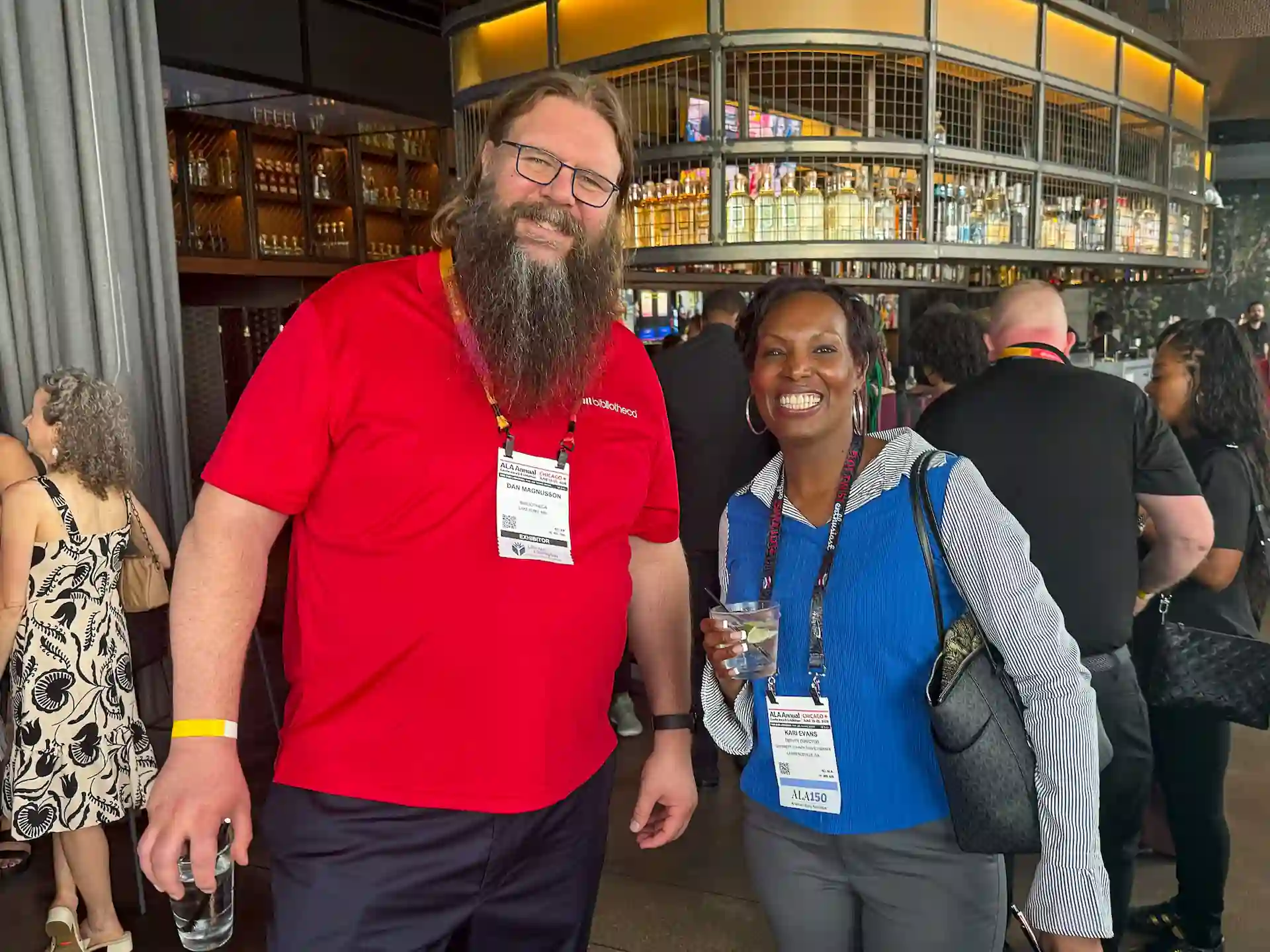
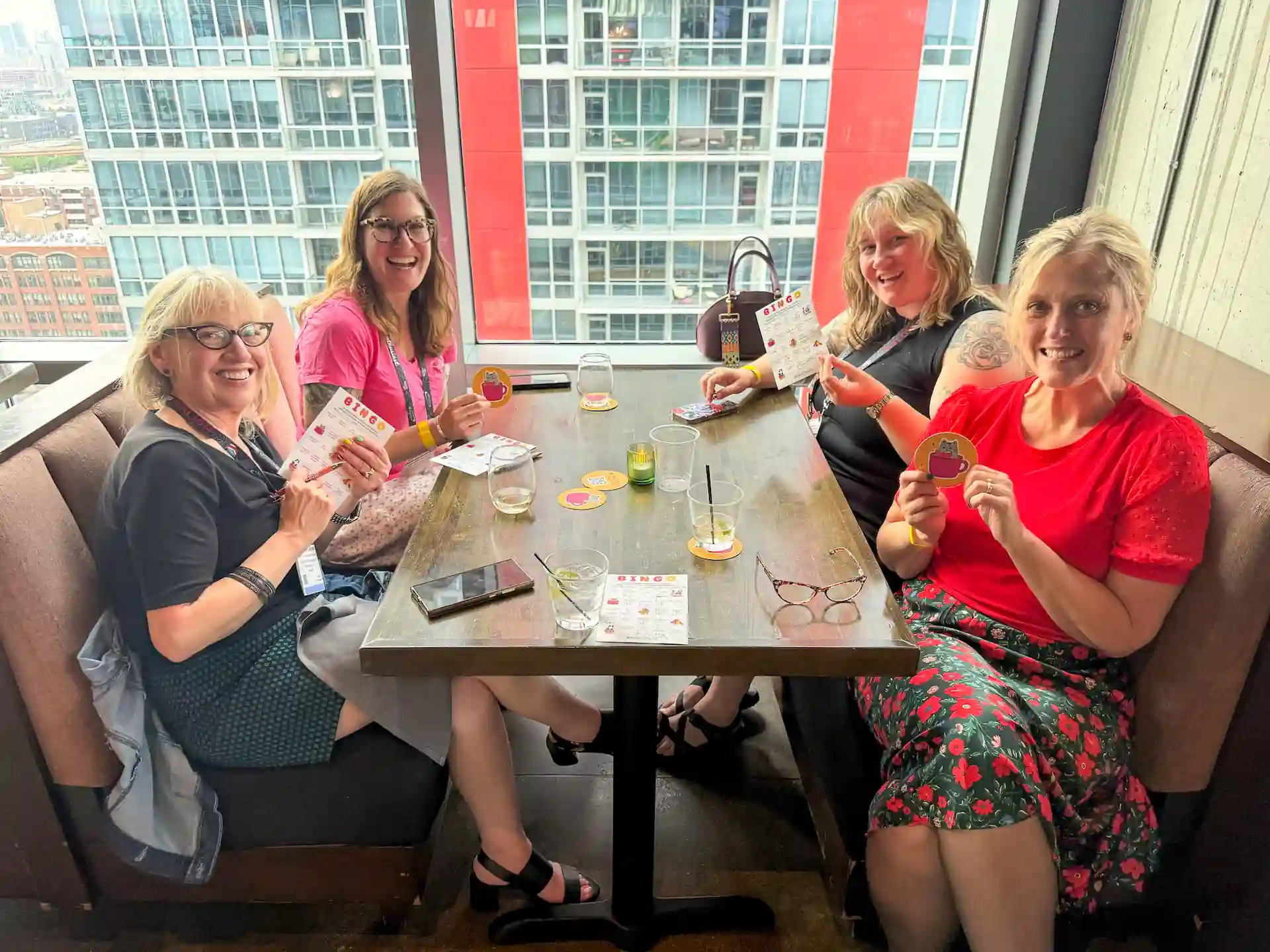
The conversations carried on beyond the conference. More than 90 guests joined Bibliotheca for a happy hour at VU Rooftop, overlooking the Chicago skyline, where a bingo activity kept people mixing through the evening.
Across the booth, the sessions, and evenings like that one, a few priorities kept resurfacing: bringing services closer to patrons, making self-service easier to use, cutting repetitive staff work, and designing spaces that support more flexible access.
Bibliotheca has worked alongside libraries since 1969, and today has a presence in more than 100 countries and territories worldwide through its own offices and a global network of local partners.
Thanks to everyone who visited Booth #1818, sat in on a session, tried a product, or shared an idea with our team. ALA Annual returns to New Orleans, June 24–28, 2027 — and we’ll be there.
Watch: what does it take to help libraries thrive? CPO Delaney Levey on the solutions we brought to Chicago.
Spread the Word

You may also Like
Insights + Trends
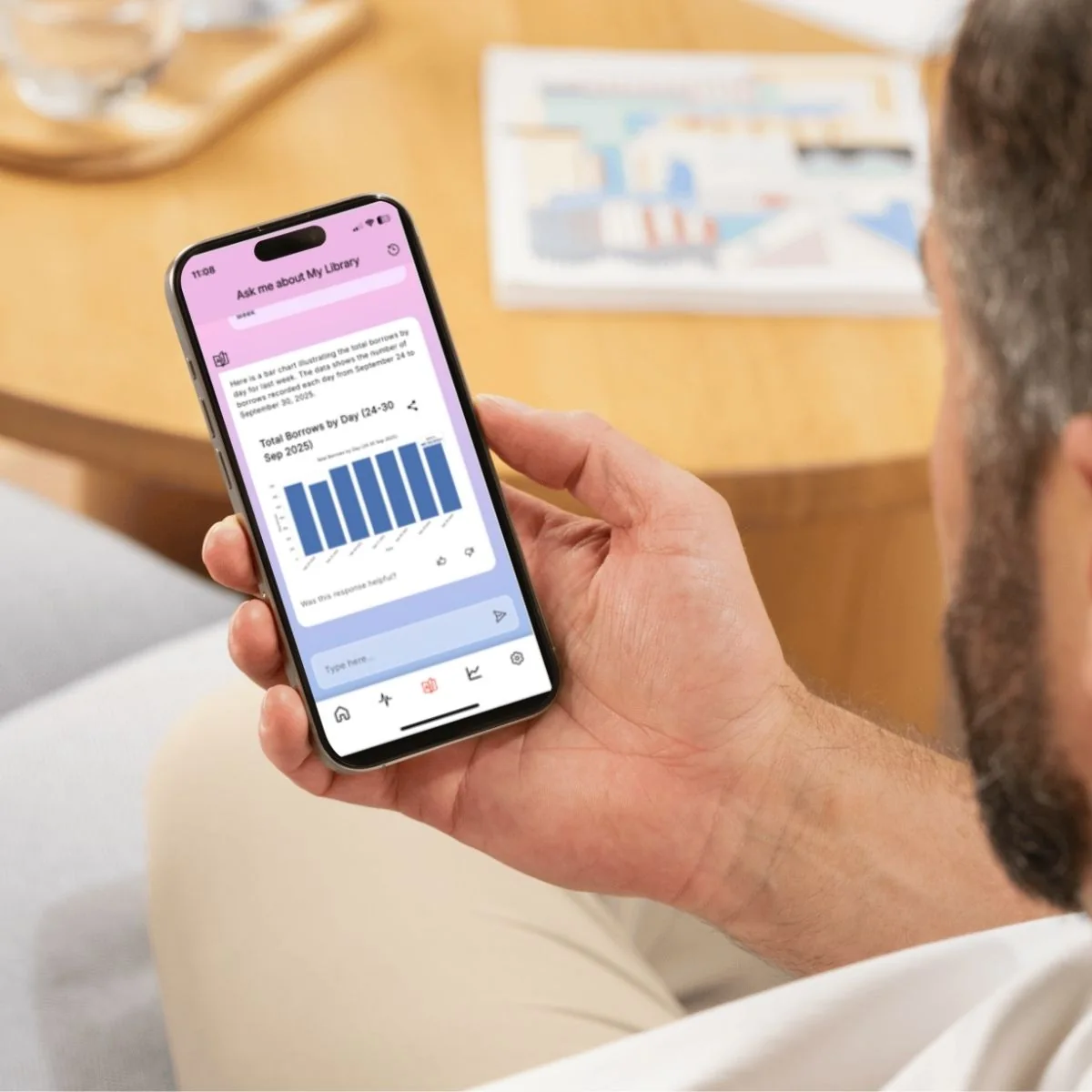
libraryConnect LINK: Managing Devices, Data and Support in One Place
See how libraryConnect LINK gives library teams a clearer way to monitor equipment, manage changes, troubleshoot issues, and use operational data.
RFID in Libraries: What It Is and What It Changes
Learn what RFID tags contain, what it takes to convert a collection, and what libraries should consider for checkout, security, and inventory.
Customer Training | Bibliotheca Academy: Unlocking the Full Potential of your Bibliotheca Products
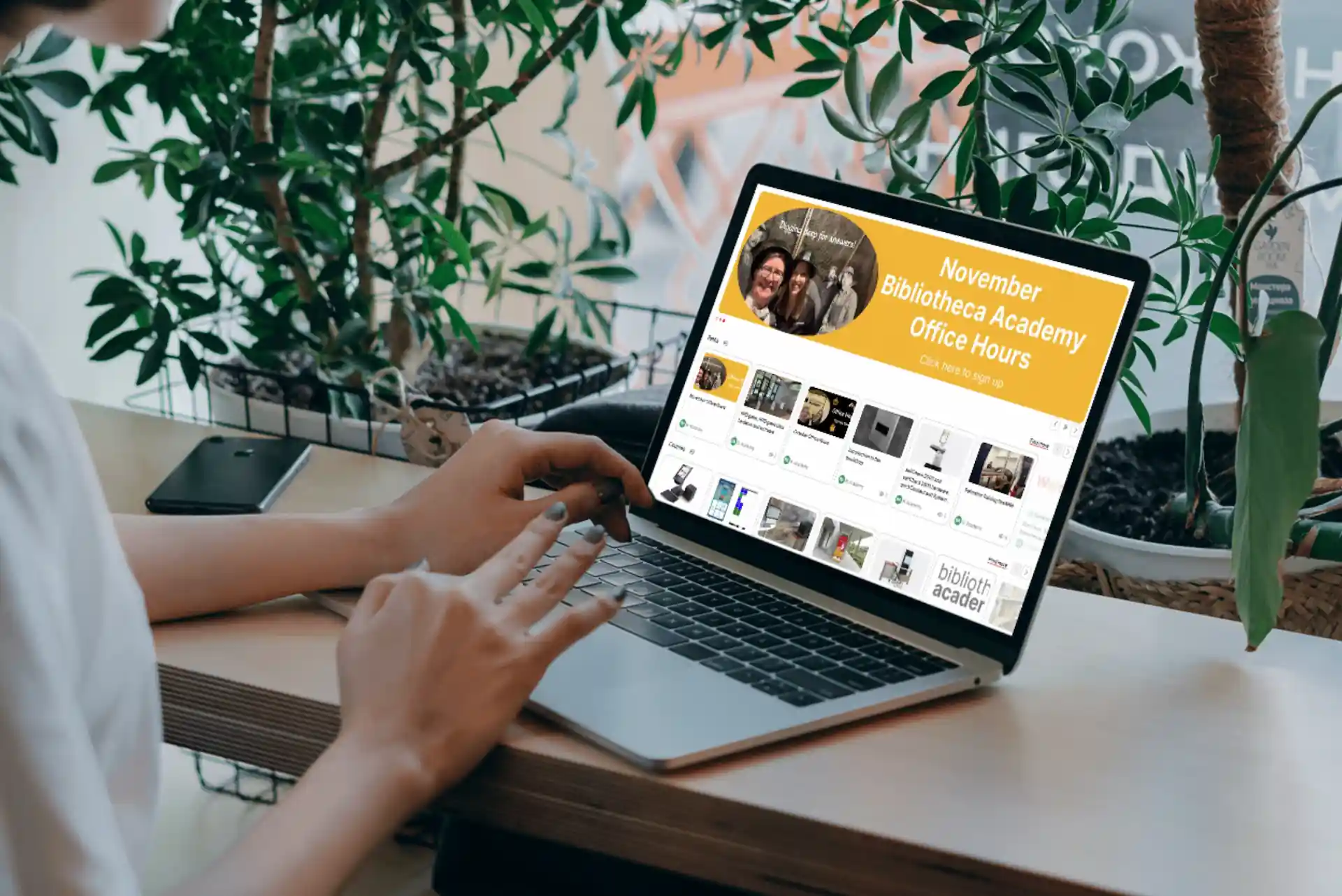
Discover Bibliotheca Academy, our new Learning Management System designed to help library teams access training, build product knowledge, and get more from their Bibliotheca solutions.